
Designing Outdoor Container Commercial Spaces With Container Architecture


TL;DR

Container architecture can be a strong fit for outdoor container commercial spaces that need to open faster, stand out visually, and support flexible tenant mixes. For developers, the real advantage is not just the look. It is the ability to turn underused outdoor areas into active revenue-generating space.

  • Container layouts work well for plazas, bars, retail clusters, and food-led gathering spaces.
  • The best projects combine strong visual identity with circulation, shade, seating, and service planning.
  • Outdoor commercial success depends on tenant mix and site flow, not just container placement.
  • ROXBOX projects show how container parks and bar concepts can anchor active public environments.

Why Outdoor Commercial Space Has Changed

Many outdoor container commercial projects are no longer just about adding patio seating or a temporary kiosk. Developers are looking for ways to activate plazas, parking fields, entertainment districts, and open-air retail environments with stronger identity and better tenant flexibility. That shift is one reason container architecture keeps showing up in outdoor commercial planning.

A container-based approach can create a defined commercial edge faster than many conventional field builds, especially when the goal is to combine multiple small-format concepts in one visible destination. For the right site, that makes containers less of a novelty and more of a development tool.

Where Container Architecture Fits Best

Outdoor commercial spaces tend to work best when the layout gives people a reason to linger. That usually means food and beverage, retail, entertainment, or guest amenities are organized as a small district rather than as disconnected units. Containers can support that kind of composition well because they create strong edges, repeatable footprints, and visually distinct tenant zones.

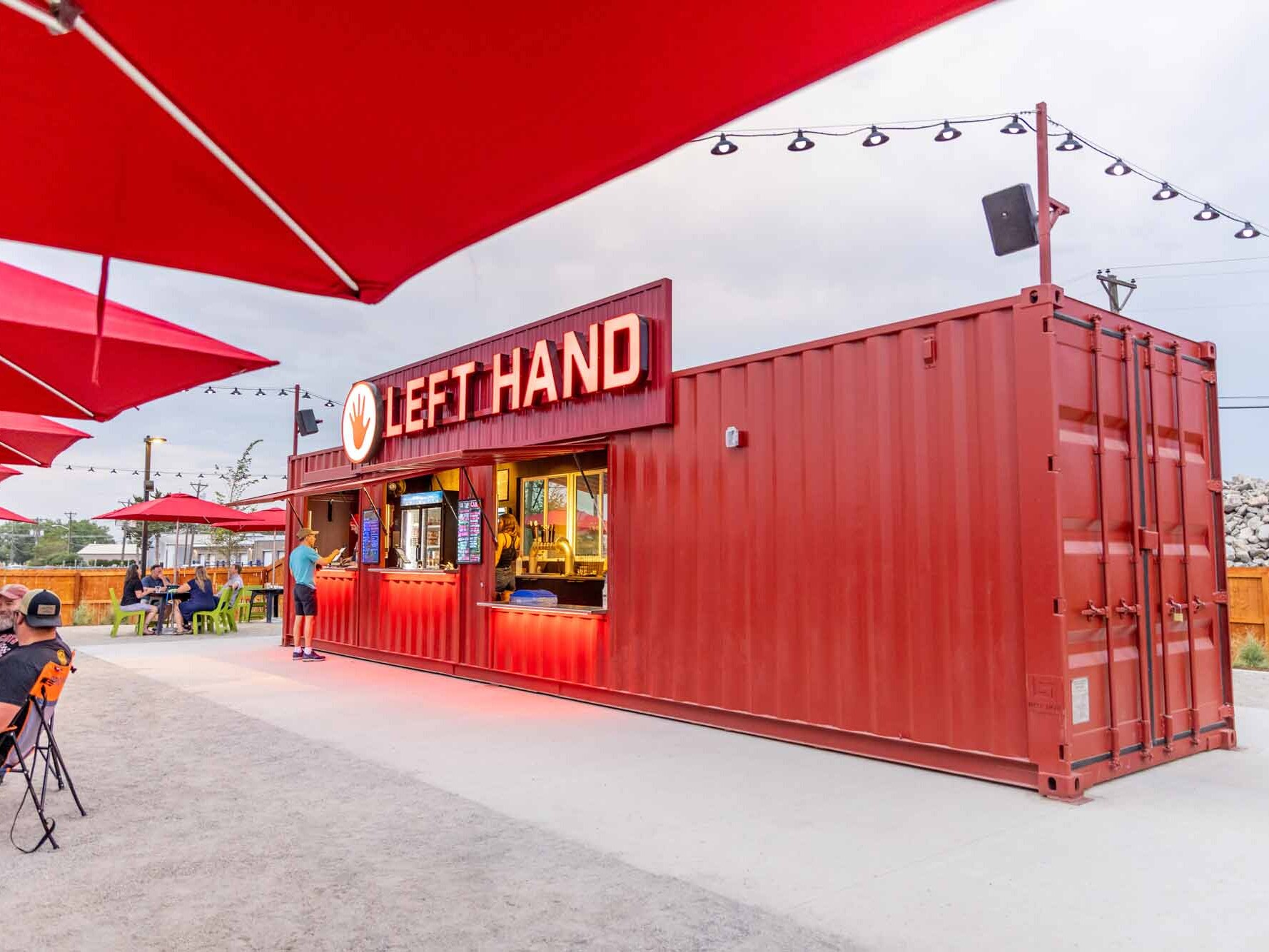
ROXBOX positions this directly through commercial container structures, retail concepts, and bar and taproom builds. Those categories point to the types of uses that often shape successful outdoor environments: bars, retail, cafés, kitchens, concession concepts, and branded gathering spaces.

The Design Questions That Matter Most

The strongest outdoor commercial projects are not designed container by container. They are designed as places. That means circulation, visibility, tenant mix, and public comfort need to be resolved at the same level as the individual units.

Developers should think early about sightlines, queue areas, service access, seating, weather protection, lighting, and the relationship between the containers and the open space between them. In many projects, the void is just as important as the structure. The containers define the edge, but the shared outdoor area is what makes the project feel active.

A Few ROXBOX Projects Make The Pattern Clear

ROXBOX has several outdoor commercial examples that show how different this category can be depending on the site and the business model.

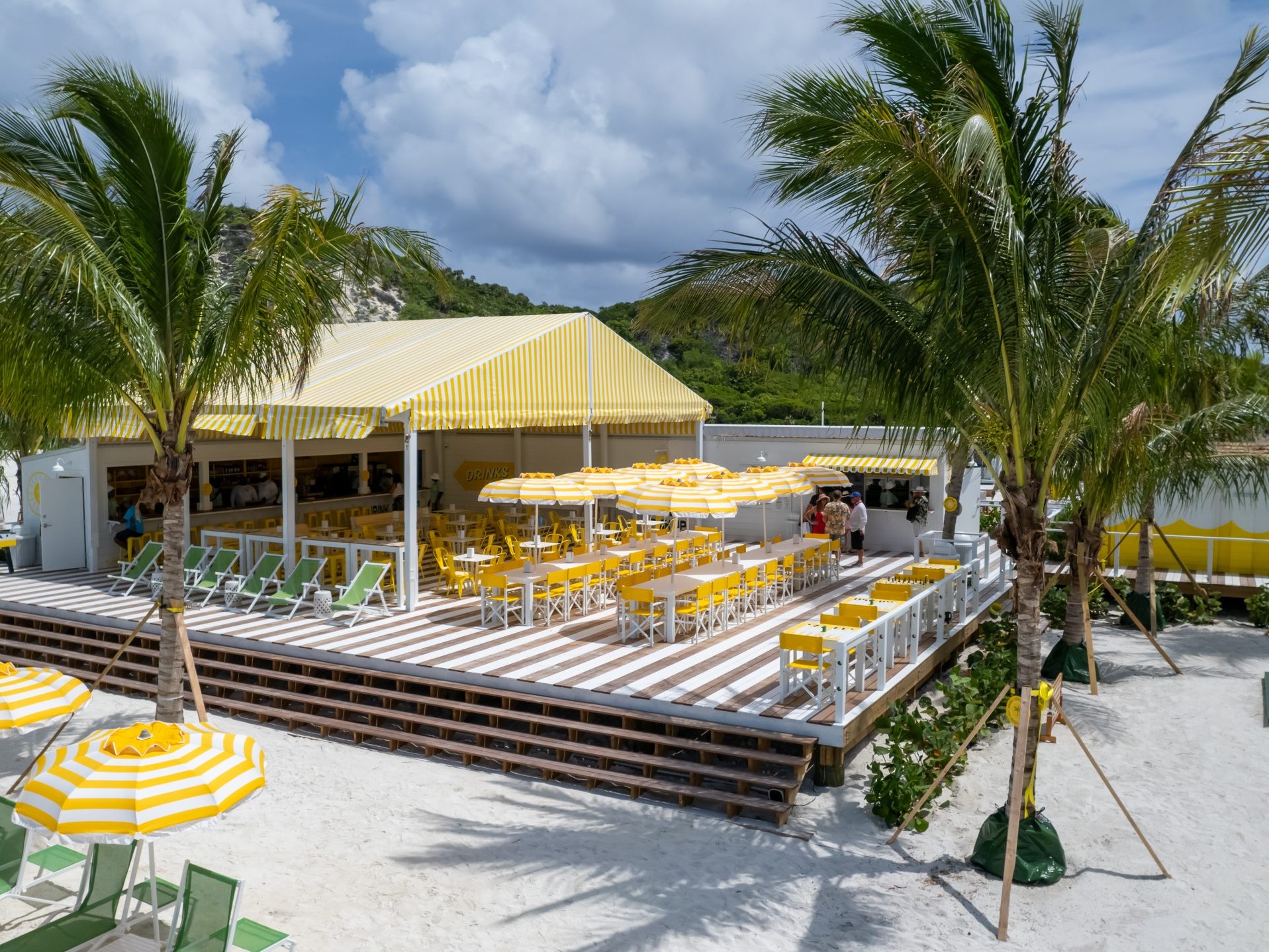
The SERV Container Park is one of the clearest mixed-use examples. ROXBOX led the design of an outdoor container park using 19 shipping containers for food and beverage vendors, retail and office suites, bathrooms, storage, and branded installations. That project helps show how containers can define an outdoor district, not just a single tenant space.

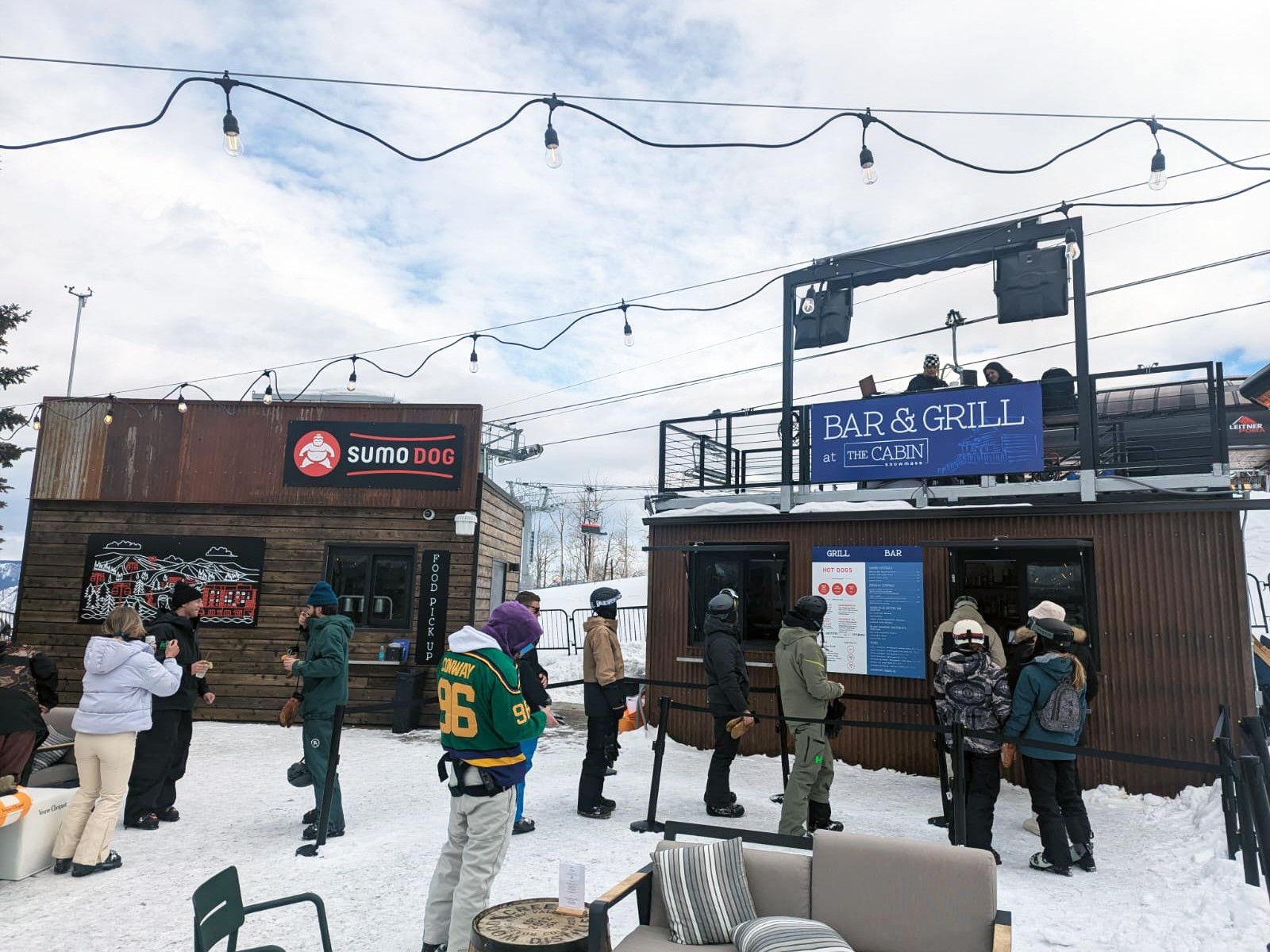
The Aspen Grove bar project shows a different angle. Instead of building a full container park, the project uses a modular bar as the centerpiece of a beer garden inside a shopping complex. That is useful for developers who want activation without reworking the whole site.

Projects like Market 5 and South Metro Fire Rescue mixed-use asset also show that container architecture can support broader site-making strategies. In those contexts, the structures help organize tenant uses, activate outdoor circulation, and create a stronger sense of destination.

Bars, Retail, And Plazas Do Not All Want The Same Thing

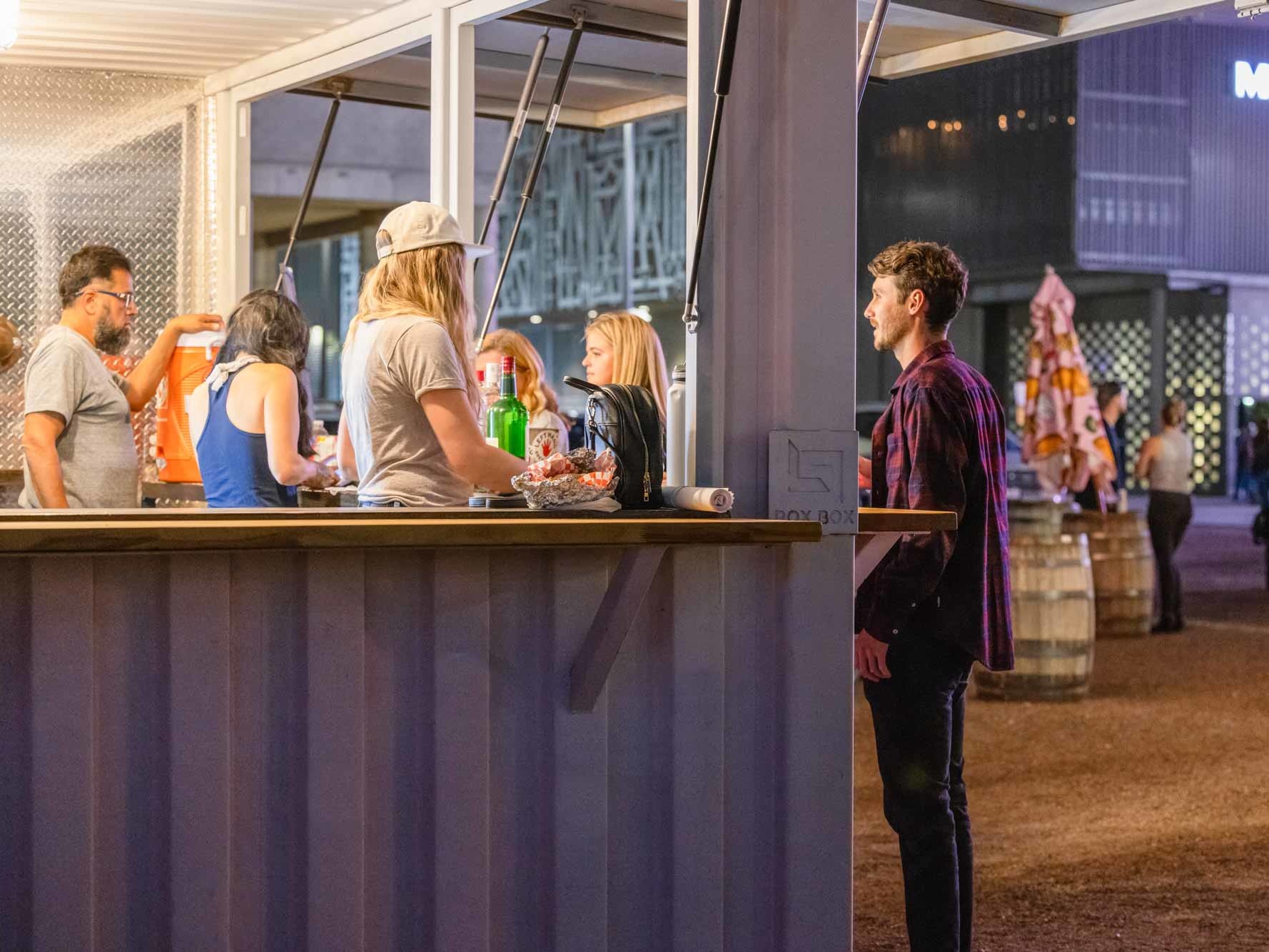
One reason these projects are so varied is that each use has a different operational center. A bar concept may need service speed, social visibility, and queue control. A retail cluster may care more about storefront rhythm, display frontage, and tenant individuality. A plaza concept may need the whole mix to work together around dwell time and public energy.

That is why container architecture works best when the design is tied closely to the site’s commercial objective. The right layout for a food-led entertainment environment may be the wrong layout for an outdoor shopping expansion. The structure should follow the operating model.

Why Developers Like The Format

For developers, container outdoor commercial spaces can offer a useful mix of speed, visibility, and flexibility. Smaller-format units can lower the threshold for tenant activation. Multi-unit layouts can turn open land into revenue-producing space sooner. And the visual character of container architecture can help a site feel intentional even before a broader master plan is complete.

That logic also connects with ROXBOX Developments, where the company frames container parks, commercial developments, and multi-unit structures as scalable modular opportunities. For outdoor projects, that development mindset matters more than the container itself. It shifts the question from “Can we use containers here?” to “How should this place work?”

How ROXBOX Fits

ROXBOX designs, engineers, and builds modular construction solutions that include steel frame modular buildings and custom container structures. For developers exploring outdoor commercial space, that means ROXBOX can support everything from a single bar or retail unit to a larger multi-tenant container park. Teams can explore commercial container structures, review development-focused modular work, or contact ROXBOX to discuss plazas, bars, retail clusters, and outdoor activation strategies for a specific site.

Frequently Asked Questions

They are outdoor business environments built around container structures for uses like bars, cafés, retail, concession concepts, and multi-tenant plazas.

It can help activate open-air sites faster, create strong visual identity, and support flexible tenant mixes in a smaller footprint.

No. They can also work in shopping centers, mixed-use developments, hospitality sites, and public-facing commercial spaces where small-format activation makes sense.

Circulation, tenant mix, shade, seating, service flow, and site identity matter just as much as the container units themselves.

Author's Bio

Anthony Halsch is the Founder & CEO of ROXBOX and a recognized authority in modular construction, steel frame modular buildings, and custom container structures. He writes about commercial modular building strategy, design, and real-world deployment for developers, operators, and project teams.Factory-built construction changes how quality control is managed in commercial projects. By shifting a large share of work into a controlled manufacturing environment, modular construction can improve inspection consistency, reduce weather-related variability, and create more repeatable production workflows than traditional site-built construction.


Factory-Built vs Site-Built Quality Control in Commercial Construction


TL;DR

Factory-built construction changes how quality control is managed in commercial projects. By shifting a large share of work into a controlled manufacturing environment, modular construction can improve inspection consistency, reduce weather-related variability, and create more repeatable production workflows than traditional site-built construction.

  • Factory environments support more consistent inspection and quality assurance procedures.
  • Traditional job sites introduce variability from weather, access constraints, and trade scheduling.
  • Factory fabrication allows teams to inspect structural and building systems at multiple stages before installation.
  • Developers often evaluate modular construction for quality predictability and risk reduction, not only for schedule advantages.

Why Quality Control Matters in Commercial Construction

For commercial developers, quality control is not just a construction issue. It is a financial and operational issue. Buildings that suffer from construction defects, coordination conflicts, or inconsistent workmanship can create downstream costs that show up in warranty work, delayed openings, tenant disruption, and long-term maintenance. That is why developers comparing delivery models should look beyond cost and schedule alone. They should also ask which approach gives the project better control over construction quality.

In a traditional site-built process, most building work happens outdoors on an active construction site. Structural systems, mechanical rough-ins, electrical systems, exterior enclosure, and interior finishes are assembled in the field while multiple subcontractors work through a changing schedule. That model can succeed, but it also introduces a high degree of variability. Weather changes. Site logistics change. Trade sequencing changes. Material protection becomes more difficult. Inspection timing can become more reactive than planned.

Factory-built construction changes that environment. In modular construction, much of the work moves into a controlled production setting where teams can standardize workflows, inspect assemblies as they move through production, and reduce some of the environmental variability that comes with field construction. That does not make modular automatically better in every project. It does mean developers should treat factory-built quality control as a strategic difference worth evaluating carefully.

The Factory Environment Creates More Repeatable Conditions

One of the clearest differences between factory-built and site-built construction is the stability of the work environment. A job site is dynamic by nature. Materials arrive in stages. Different trades move in and out. Weather can interrupt work or change the conditions in which materials are stored and installed. Even strong project teams must constantly adapt to these variables.

A factory environment is different. Production takes place indoors under more stable lighting, handling, staging, and workflow conditions. Teams can build against repeatable standards instead of constantly adjusting to field conditions. That matters because repeatability is one of the foundations of reliable quality control. When the process is more repeatable, inspection checkpoints are easier to define, documentation is easier to maintain, and deviations are easier to catch early.

For developers, this matters most in projects where consistency across multiple structures or repeated units is important. If a project involves multiple buildings, phased deployment, or standardized layouts, controlled production conditions can help maintain more uniform quality from one module to the next.

Inspections Can Happen Earlier and More Often

In many site-built projects, inspections occur after a section of work has already advanced or been enclosed. When issues are discovered late, rework can become more disruptive and more expensive. Factory-built construction allows teams to inspect work at more defined stages while assemblies are still accessible.

Structural framing can be reviewed before wall systems are closed. Mechanical and electrical systems can be checked before finishes go in. Interior assemblies can be verified before modules leave the plant. This staged inspection model improves visibility into how the building is actually coming together. It also gives quality teams more opportunities to identify errors before they affect downstream work.

Developers looking at modular delivery should review how the production and inspection workflow is structured. The ROXBOX modular construction process gives a high-level view of how concept design, architecture and engineering, build, and delivery plus installation connect in a repeatable sequence.

Material Protection Is Easier to Manage Indoors

Weather exposure is one of the biggest quality variables in traditional construction. Moisture, temperature swings, and job-site delays can all affect how materials perform during installation. Contractors take steps to protect framing, sheathing, insulation, and finishes, but those measures still depend on timing and field conditions.

Factory-built construction reduces that exposure during major stages of production. Structural and interior work can be completed indoors before the building ever reaches the site. Materials are handled in a more controlled environment, which helps reduce the chance of early-stage moisture exposure or damage from changing site conditions.

For developers, this is not just about neatness or productivity. It is about protecting building components during vulnerable parts of the construction sequence. A controlled production environment can support more consistent outcomes when durability and lifecycle performance are important considerations.

Trade Coordination Starts Earlier in Modular Projects

Quality control is also shaped by coordination, not just by inspection. In conventional construction, conflicts between structure, mechanical systems, electrical runs, and interior assemblies often surface during field installation. When coordination issues are discovered late, rework can affect both quality and schedule.

Modular construction pushes more of that coordination upstream. Because modules must be manufactured, transported, and installed within defined dimensional and system constraints, architects, engineers, and fabrication teams usually resolve more of the building logic before production begins. That early coordination can reduce the likelihood of field improvisation and late-stage clashes.

Developers often see the benefit of this approach in projects where repeatability matters. Once the system is coordinated well, the production team can apply that logic consistently across multiple modules or buildings. That is one reason modular is often attractive in rollout programs and multi-building developments.

Factory-Built Quality Control Still Depends on the Right Process

Factory-built construction does not eliminate risk. It changes where risk sits and how it should be managed. Site work, foundations, utilities, delivery logistics, and installation still matter. A poorly coordinated modular project can still create quality issues if design assumptions are weak or if installation is not planned well.

That is why developers should look beyond the phrase factory-built and examine the actual delivery model. They should ask how the project moves from concept design through engineering, production, delivery, and installation. They should look for a process that clearly defines responsibilities and inspection checkpoints, not just marketing claims about speed.

ROXBOX explains this through its structured four-step process, which outlines concept design, architecture and engineering, build, then delivery and installation. For developers, that kind of visible process framing is useful because it shows where quality control responsibilities should be addressed, not just where modules are manufactured.

Where Factory-Built Construction Fits Best for Developers

The strongest case for factory-built construction often appears where quality consistency matters across more than one structure. Multi-building developments, phased commercial projects, hospitality programs, restaurant rollouts, and repeatable building concepts often benefit from controlled production conditions because consistency becomes part of the business case, not just the construction case.

Industry context supports this view. The Modular Building Institute notes that modular construction shifts significant work into controlled factory conditions and can reduce on-site disruption while still meeting the same codes and standards as conventional construction. That does not replace project-specific due diligence, but it reinforces why developers often evaluate modular quality control as part of a broader risk-management strategy.

Conclusion And Next Steps

Developers comparing modular and traditional construction should look closely at how each delivery model manages inspection, material protection, and coordination. Factory-built construction is not a blanket guarantee of better results, but it can create more repeatable conditions for quality assurance when the project and process are aligned well.

For a commercial developer, the right question is not simply whether modular is faster. It is whether the project would benefit from a more controlled production environment, earlier coordination, and a clearer path to consistent execution. That is the kind of evaluation that leads to better project decisions.

Developers assessing commercial modular delivery can also review ROXBOX steel frame modular services to see how the company positions precision fabrication, scalability, and long-term performance for steel frame modular buildings.

Frequently Asked Questions

Factory-built construction can improve consistency because teams work in controlled conditions and can inspect assemblies during multiple stages of fabrication. Quality still depends on design, execution, and installation, but the environment makes repeatable QA processes easier to manage.

Many modular projects involve inspections during fabrication as well as after on-site installation. That layered approach allows teams to review structural and building systems before modules leave the factory and again after they are connected on site.

Yes. Commercial modular buildings are generally required to meet the same code requirements as conventional construction, although approval and inspection pathways can vary by jurisdiction.

It often makes the most sense when a project has repeatable layouts, phased delivery, rollout needs, or site conditions that make controlled off-site production more valuable than a purely field-built approach.

Contact ROXBOX To Get Started

If you are comparing modular and traditional delivery methods, start by reviewing ROXBOX’s modular construction process to understand how design, engineering, fabrication, and installation are coordinated.For a project-specific discussion about commercial modular quality, phasing, and delivery strategy, contact ROXBOX to request a consultation.

Author's Bio

Anthony Halsch is the Founder & CEO of ROXBOX and a recognized authority in modular construction, steel frame modular buildings, and custom container structures. He writes about commercial modular building strategy, design, and real-world deployment for developers, operators, and project teams.Factory-built construction changes how quality control is managed in commercial projects. By shifting a large share of work into a controlled manufacturing environment, modular construction can improve inspection consistency, reduce weather-related variability, and create more repeatable production workflows than traditional site-built construction.


Steel Frame Modular Retail Rollouts: How National Brands Deploy Locations Faster


TL;DR

Retail brands expanding across multiple markets often struggle with construction timelines and inconsistent site conditions. Steel frame modular buildings allow development teams to deploy retail locations faster by shifting much of the building process into a controlled fabrication environment.

  • Modular construction enables repeatable building designs across multiple locations.
  • Factory fabrication allows simultaneous site work and building production.
  • Controlled production reduces variability between locations in rollout programs.
  • Retail development managers can scale expansion strategies more predictably with modular delivery.

Why Retail Rollouts Create Unique Development Challenges

Retail expansion programs operate under different pressures than single-site development projects. National and regional brands often need to deploy multiple locations across different markets within a tight timeline. These rollout programs may involve dozens or even hundreds of stores, each with similar operational requirements but different site conditions.

For retail development managers, the challenge is not only building a single location efficiently. It is replicating that success across multiple markets while maintaining brand consistency and schedule predictability. Traditional construction methods can make this difficult because each project site introduces new variables. Labor availability, weather conditions, permitting timelines, and contractor coordination can all influence how quickly a location opens.

Steel frame modular construction offers a different approach. Instead of building every store from scratch on site, modular construction allows teams to fabricate large portions of the building in a controlled production facility. When the building modules arrive on site, much of the interior work is already complete. This shift in the construction process helps reduce variability and accelerate deployment schedules for multi-location retail expansion.

Repeatable Building Systems Support Scalable Retail Growth

One of the most important advantages of modular construction in retail expansion is repeatability. Retail brands often rely on standardized building layouts that support consistent customer experiences and operational workflows. When a building design is already standardized, modular construction can reinforce that consistency.

Steel frame modular buildings can be engineered as repeatable building systems. Once the design, engineering documentation, and fabrication process are coordinated, the same production workflow can be applied to multiple locations. That repeatability reduces the amount of redesign or field improvisation required for each new site.

For retail development teams, this creates a scalable model. Instead of approaching every project as a completely new construction effort, the rollout program becomes a structured production process. Locations can be deployed more efficiently because design decisions have already been validated during earlier phases of the rollout.

Parallel Construction Improves Rollout Timelines

Another factor that influences retail rollout speed is construction sequencing. In traditional construction, most work happens sequentially on the job site. Site preparation must be completed before structural work begins. Interior construction follows after the building envelope is complete.

Modular construction changes that sequence. While foundations and site infrastructure are being prepared, the building itself can be fabricated in a factory environment. These parallel workflows reduce the overall timeline because fabrication and site preparation happen at the same time rather than one after the other.

The Modular Building Institute notes that modular construction can shorten project timelines because the majority of construction activity occurs indoors while site work progresses simultaneously. For retail brands deploying multiple locations, these time savings can accumulate across the entire rollout program, enabling faster market entry.

Material Protection Is Easier to Manage Indoors

Weather exposure is one of the biggest quality variables in traditional construction. Moisture, temperature swings, and job-site delays can all affect how materials perform during installation. Contractors take steps to protect framing, sheathing, insulation, and finishes, but those measures still depend on timing and field conditions.

Factory-built construction reduces that exposure during major stages of production. Structural and interior work can be completed indoors before the building ever reaches the site. Materials are handled in a more controlled environment, which helps reduce the chance of early-stage moisture exposure or damage from changing site conditions.

For developers, this is not just about neatness or productivity. It is about protecting building components during vulnerable parts of the construction sequence. A controlled production environment can support more consistent outcomes when durability and lifecycle performance are important considerations.

Consistency Across Markets and Locations

Retail brands place a high value on consistency. Customers expect a recognizable environment whether they visit a location in one city or another. Construction quality and layout consistency therefore play a role in maintaining brand identity.

Factory-based modular fabrication helps support this consistency. When buildings are produced in a controlled manufacturing environment, teams can maintain standardized assembly procedures and quality inspections. Materials are stored indoors, installation steps are documented, and production conditions remain stable from one module to the next.

For rollout programs, this consistency becomes particularly valuable. Each new location benefits from lessons learned during earlier installations. Over time, the production process becomes more refined, allowing development teams to deploy stores with greater efficiency and fewer surprises.

Why Steel Frame Modular Buildings Work Well for Retail

Steel frame modular buildings are particularly well suited to commercial retail applications. Steel structural systems offer durability, flexibility in interior layouts, and compatibility with a wide range of architectural finishes. Retail buildings may require open floor areas, integrated service counters, mechanical systems, and exterior brand elements that must be installed consistently across locations.

Modular steel frame construction allows these elements to be integrated during fabrication. Electrical systems, plumbing, HVAC components, and interior finishes can often be installed before the building modules leave the factory. When modules arrive on site, the focus shifts to installation, utility connections, and final commissioning rather than building the structure piece by piece.

Retail development managers often evaluate modular construction for these reasons. The approach supports repeatable building systems, scalable expansion programs, and faster deployment timelines.

Planning Retail Rollouts With a Modular Partner

Successful modular rollout programs depend on coordination between design teams, engineers, manufacturers, and development managers. Early planning ensures that building layouts, engineering documentation, and fabrication workflows align with the broader expansion strategy.

Retail development teams evaluating modular delivery should review how the project moves from concept design through engineering coordination, fabrication, and installation. A modular partner that manages these phases in an integrated process can help reduce coordination gaps and improve rollout predictability.

For brands deploying multiple locations, the most valuable outcome is often not simply faster construction. It is a clearer development process that allows expansion planning to scale across new markets.

Frequently Asked Questions

Modular construction allows standardized building designs to be fabricated in a controlled environment, which helps retail brands deploy multiple locations with greater speed and consistency.

Yes. Modular buildings can incorporate the same architectural finishes, interior layouts, and branding elements used in traditional retail construction.

Yes. Foundations, utilities, and site infrastructure must be completed before modules are installed.

Ideally during early design and planning stages so engineering coordination and fabrication workflows align with expansion timelines.

Conclusion And Next Steps

Steel frame modular buildings provide a practical framework for retail rollout strategies that prioritize speed, consistency, and scalability. By combining repeatable building systems with off-site fabrication, developers can deploy new locations more efficiently while maintaining brand standards.

For retail development managers, the next step is understanding how modular construction integrates with site selection, engineering coordination, and expansion planning across multiple markets.

Retail development teams can review ROXBOX retail solutions to understand how modular construction supports multi-location retail expansion.

To see how modular projects move from concept design through fabrication and installation, review ROXBOX’s modular construction process.

Developers evaluating building systems for rollout programs may also review ROXBOX steel frame modular services for more detail on commercial modular building capabilities.

For additional industry context on modular construction timelines and rollout efficiency, see Modular Building Institute overview of modular construction. For project-specific rollout planning and modular deployment consultation, contact ROXBOX.

Author's Bio

Anthony Halsch is the Founder & CEO of ROXBOX and a recognized authority in modular construction, steel frame modular buildings, and custom container structures. He writes about commercial modular building strategy, design, and real-world deployment for developers, operators, and project teams.Factory-built construction changes how quality control is managed in commercial projects. By shifting a large share of work into a controlled manufacturing environment, modular construction can improve inspection consistency, reduce weather-related variability, and create more repeatable production workflows than traditional site-built construction.


How Modular Construction Can Cut Building Time by 50% or More

The ability to reduce time to market is one of the biggest benefits of modular construction. And this advantage arrives at the right time for developers, who frequently need to balance increased demand for units with rising project costs. Is modular construction the answer your firm has been looking for? For many businesses, it has been.

What Is Modular Construction?

Modular construction is a building method that involves shifting most of the development process off-site. Instead of framing building components, welding beams, or pouring concrete pillars at the worksite, steel modular construction handles everything in a controlled factory setting:

  • Project planning and coordination with developers
  • Engineering and design
  • State and county permits
  • Fabrication and assembly
  • Transportation and logistics

Building modules generally follow a standardized format, though developers have the freedom to determine the specifications. Unlike prefab building projects, modular construction doesn’t require assembling individual systems (insulation, etc.) at the project site. By the time modules leave the factory floor, they’re fully finished and ready to deploy.

How Much Time Can Modular Construction Save Developers?

The shift from on-site development to off-site engineering can cut project times by 50% or more. In other words, if your development cycle is 36 weeks with traditional construction, following a modular building process could trim that to 18 weeks.

But developers make enormous financial decisions based on hard data, not hype. Do the numbers reflect such significant time savings with modular construction in real-world scenarios?

Without a doubt, and it’s not just a few professionals who are saying so. In 2022, the Los Angeles Business Journal charted a rising number of projects and developers in California using modular:

  • Project Management Advisors experienced consistent time savings of 20% to 30%.
  • Studio One Eleven reduced building times by four or five months.
  • Architects Orange noticed reductions of up to 50%.
  • C.W. Driver Cos. also noted cost savings of about 10% to 15%, connected to labor costs and the materials supply chain.

Consulting firm McKinsey & Company parsed the time savings of modular construction across different project phases. The results showed significantly faster completion of the manufacturing and installation phases. On average, projects took from 12 to 15 months instead of 20 to 24 months.

How Does the Modular Construction Process Reduce Building Times?

Nearly every aspect of modular projects delivers a reduction in construction time for commercial buildings compared to traditional construction methods.

1. Streamlined Design and Engineering

Modular construction starts with the design process. Full-service firms provide in-depth design services. Engineers work closely with developers to understand project objectives, site challenges, and local needs, including budget concerns. This allows the team to create precise 3D models of the modules.

This approach compresses the normal design timeline. Developer feedback, observations, and modifications all happen before fabrication begins, eliminating disruptions. With on-site builds, developers often have to plan for several months of redesign and delivery overrun, but modular construction doesn’t have the same problem.

2. Standardized Development

There is a reason modern automakers use standardized parts across models. It speeds up production massively compared to designing bespoke systems every time. Operators can experience similar savings by opting for off-site engineering and a standardized building process.

The pros of modular construction are especially noticeable for mid-tier and large-scale developers. Once your firm has several “design playbooks” to choose from, you can use the same building blocks for a variety of projects, from retail stores to quick-service restaurants. Even when variations are needed, having an approved starting point gets a good deal of the work out of the way.

3. Faster Permit Approval

In many areas, it takes less time to get approval for modular buildings, especially when you partner with a firm that has a good reputation. Some developers have seen approvals that normally take four to six weeks cut down to just 10 to 14 days.

4. Parallel Construction

Finished modules still need to be installed on a concrete slab, so site prep is unavoidable. That said, a key difference is that fabrication can happen simultaneously. The factory construction team can build in parallel, often cutting several months off the project.

5. Coordinated Fabrication

High-quality modular building firms can also shorten the amount of time it takes for the fabrication process itself. Here are a few reasons why:

  • Skilled professionals who have the required certifications for projects at a national level
  • Years or decades of expertise
  • Consistent development processes across dozens or hundreds of projects
  • One unified team instead of dozens of contractors and subcontractors
  • Careful quality oversight, management, and accountability 

Put simply, a factory setting is ideal for delivering repeatable results that meet project specs, on time and on budget. There are fewer risks of the communication issues, misunderstandings, shoddy work, slow progress, or mistakes that plague many construction sites.

6. Indoor Work Environment

Off-site construction can also provide longer building windows and reduced delays for commercial developers. The differences are especially noticeable in areas with harsh winter weather or frequent rainfall. Not only does indoor construction allow for better control over product quality, but it also means that you don’t need to bring projects to a halt for months at a time.

7. Shorter Delivery Times

Modular construction does require careful planning for logistics, especially if the factory is far from the build site. That said, even this building phase tends to save developers time and contributes to sustainable modular construction.

Transportation happens when modules are complete. Compare that to the dozens of deliveries of building materials necessary for traditional projects that can hold contractors back when supply chain issues arise.

8. Minimal Installation Requirements

Modular projects can even save you time compared to prefab construction. Modules often have a fully finished interior and exterior envelope, including flooring, insulation, plumbing, and electrical components. After a crane positions modules in place, only minimal work is necessary to complete the installation.

Is Modular Construction Right for Your Project?

Modular construction isn’t the answer for every project, but at the very least, it should be part of every developer’s toolkit. The time savings are well-documented, solving many of the issues related to traditional construction cost-effectively.

At Roxbox, we have decades of expertise in steel modular building projects, including engineering, fabrication, logistics, and installation around the country. Discover the benefits of expert modular construction services. Request a quote today.


How Sustainable Is Modular Construction?


Green construction projects are becoming more popular with developers in the United States, with a market of over $210 billion in 2025 and an annual growth rate of more than 10%. Not only do American homebuyers care about eco-friendly building practices, but energy-efficient and sustainable modular construction is also attractive to commercial and industrial businesses.

Is Modular Construction Sustainable?

Many trade journals and news organizations praise steel modular construction as revolutionizing the construction industry in favor of environmentally friendly goals. Modular buildings can be significantly more sustainable than traditional construction projects. Of course, to achieve your sustainability targets, it’s necessary to choose the right manufacturer, materials, and project design.

What Does Sustainable Modular Construction Mean?

Some critics argue that modular buildings aren’t truly sustainable because they use synthetic materials such as insulating foam, thermal-reflective coatings for energy efficiency, and steel structural components. According to this definition, only fully renewable materials would be considered sustainable, like wood, bamboo, or plant-based fibers. But these materials aren’t feasible or desirable for most commercial construction projects in North America.

When talking about sustainability in building projects, industry leaders often mean that:

  • The manufacturing process is energy efficient and avoids wasteful water use.
  • The building uses recycled or reused materials and, where possible, renewables.
  • Building systems are designed to reduce heating and cooling costs.
  • The builder uses high-quality materials that last a long time.
  • Materials that are toxic or harmful to the environment are avoided.
  • The project supports local wildlife instead of damaging surrounding habitats, sometimes including green roofing, gardens, and other natural spaces.

So even though modular construction isn’t completely renewable, it is sustainable when you choose a manufacturer with eco-friendly practices.

Why Are Modular Buildings Sustainable?

The traditional construction process is notoriously not eco-friendly. Commercial construction typically requires months of work and a massive amount of electricity for worksites and equipment. Long-term heavy machinery usage also releases high carbon emissions at the site.

Sustainable modular construction has the power to transform the old way of doing things for residential, commercial, and industrial projects. Experts estimate that a prefabricated approach can reduce carbon emissions by over 20%.

1. Recycled Materials

Many modular buildings use recycled steel, aluminum, and iron. The recycling process uses much less energy than new production, cutting total usage by about 75% for steel and 90% for aluminum. Other recyclable building materials include concrete, rubber, and cellulose fibers.

2. Movable Structures

In the past, when organizations needed a short-term building, developers often built a temporary structure. This was the case for FEMA operations, music festivals, fairs, and similar events. These structures used inexpensive wood beams and thin metal panels. At the end of the event, the structure would be torn down and disposed of.

Modular construction represents a change that’s better for the environment, for event clients, and for developers. Temporary modular structures use high-quality materials that are designed to be assembled and disassembled quickly. These buildings can last decades with proper care.

3. Repurposed Structures

Another unique approach to sustainable building is repurposing existing materials for new construction sites. For example, instead of leaving shipping containers to rust, it’s possible to turn them into attractive and fully functional commercial buildings:

  • Concession stands for arenas
  • Pop-up food stalls and mobile kitchens for events
  • Retail stores, shops, and shopping centers
  • Coffee shops, bars, and beachfront entertainment venues
  • Production studios and centralized work hubs

Some developers combine multiple containers to create multi-story structures that are cost-effective, sustainable, and faster to build than conventional commercial buildings.

4. Reduced Construction Waste

It’s no secret that construction sites can get messy. Traditional construction projects create a large volume of waste, such as leftover drywall, plywood, hardened concrete, wiring, plastic pipes, insulation, and roofing scraps.

According to EPA estimates, construction and demolition generate approximately 600 million tons of waste materials a year. More than 140 million tons go directly to landfills.

Why is modular construction different? First, because buildings are precisely engineered to spec. A standardized assembly process reduces the amount of scrap generated.

Second, excess materials can be used for other modules instead of being discarded. In the long run, this means lower consumption of raw building materials and reduced strain on natural resources.

5. Energy-Efficient Building Processes

Because steel modular construction happens in a factory environment, productivity and efficiency are prioritized. Sustainable manufacturers have the process down to a science. Instead of needing to use small, energy-intensive tools, manufacturing teams have access to precision machines for time-saving cutting and forming.

Some experts estimate that sustainable modular construction can reduce a project’s energy usage by over 60%. Factories can prioritize energy-efficient systems, whereas construction site energy usage depends on the practices of dozens of subcontractors.

6. Shorter Construction Times

Even modular buildings require site preparation and assembly. But because a modular approach can reduce overall project times by a staggering 50%, significantly less energy and water are necessary.

There are also fewer emissions from work vehicles and heavy machinery. Depending on the developer’s method of site prep, it’s possible to keep disruptions to local flora and fauna to a minimum.

7. Reduced Carbon Emissions

Are there downsides to sustainable modular construction?

One aspect of modular building sustainability that often goes overlooked is carbon emissions from heavy vehicle usage. A few trips to deliver finished modules to the worksite is much more eco-friendly than the endless deliveries of individual building materials (steel bars, roofing materials, sheetrock, etc.) with traditional development projects.

8. Energy-Efficient Modules

Finally, the precise design of sustainable modular buildings delivers tight envelopes that are fully insulated. When combined with high-quality windows and high-efficiency heating and cooling systems, the final result can reduce electricity costs significantly for building owners.

Should You Choose Sustainable Modular Construction?

Sustainability is a valuable selling point in many real estate development markets. You can also think of it as a “bonus” benefit. For residential and commercial developers, being able to reduce delivery timelines by as much as 50% and cut labor costs is massive. Further, developers who lease commercial spaces have major incentives to reduce long-term energy usage.

Put simply, sustainable modular construction is good for developers, good for clients, and good for the environment. At Roxbox, our experts in modular construction services can provide sustainable solutions for your project. Request a quote to see all customization options today.


10 Commercial Building Construction Types and When They Work Best


One of the earliest decisions commercial developers must make is which construction method to use. Different types of commercial building construction offer important advantages in terms of project delivery times, scale, and costs. Discover the tradeoffs of various traditional and modern building techniques for new construction and commercial build-outs.

What Are the Main Commercial Building Construction Types?

One of the biggest differences between commercial construction methods comes down to a single factor: on-site versus off-site. Where construction happens has a major impact on labor costs and project speed.

1. Concrete Construction

Concrete is a high-quality building material that offers outstanding strength, stability, moisture resistance, and chemical resistance. These qualities make concrete a popular choice for industrial worksites.

Concrete also provides significant fire resistance, electrical resistance, and vibration resistance. It can be a good investment for new commercial building construction in data center projects, though deployment takes significantly longer.

Key downsides of concrete are its labor-intensive processes and vulnerability to weather conditions. Crew mistakes can introduce critical defects, and severe weather can add unexpected delays.

2. Steel Frame Construction

Steel frame buildings help operators who need performance and durability but also want a shorter development cycle. Steel is fireproof and highly resistant to moisture and pests, so structures last for ages with minimal maintenance.

Steel is the material of choice for rapid construction, mid-size projects, and high-rises:

  • Office buildings
  • Multi-family housing
  • Shopping centers and plazas
  • Big box stores
  • Manufacturing facilities and warehouses
  • Luxury apartments and skyscrapers

Steel technically weighs more than concrete, but its increased strength cuts down on the total mass. The size and gauge of columns and beams depend on project specs.

3. Wood Frame Construction

Wood is lightweight and readily available. Wood frames are more popular in residential construction, but some operators also compare steel vs. wood framing for short-term or temporary commercial building projects.

Unfortunately, wood has most of the vulnerabilities that commercial metal building construction avoids, being prone to moisture damage, freeze-thaw cycles, pests, and especially to fire. As wood prices rise, the potential benefits aren’t worth the drawbacks for many developers.

4. Masonry Construction

In commercial construction, masonry building projects usually involve concrete blocks, brick, or stone. Sometimes, the objective is to have the durability and fire resistance of concrete without a simpler installation process.

Other times, developers want a luxurious aesthetic for high-profile buildings. In either case, this option tends to carry a high labor cost.

Curtain walls are a cost-effective style alternative for many types of commercial buildings. Lightweight facades of metal and glass add elegance and uniqueness without the hefty price tag.

5. Prefab Construction and PEMB

Prefab projects and pre-engineered metal buildings bring assembly-line design principles to the world of commercial construction. By following a repeatable design process, developers can lower total project costs, reduce build times, and increase output.

With PEMB, most components (except the slab and interior finishings) are created in a factory and delivered to the site. On-site contractors assemble the frame, wall panels, roofing, plumbing, and other elements.

Structural insulated panel construction is a related option that ships building panels with a foam core. This cost-effective and energy-efficient option works well for commercial storage, retail, and hospitality applications, but it has size limits. Developers also have to pay attention to local fire regulations.

6. Modular Construction

Modular buildings also involve off-site design and construction, but the difference is that entire sections are completed in the factory. Finished modules are shipped to the construction site and maneuvered into place with a crane.

Each module is “ready to deploy,” with integrated insulation, plumbing, electrical, and even finished interior surfaces. Developers can use one or multiple modules to quickly bring projects to life.

Steel modular construction can follow a pre-engineered plan or adhere to custom specifications for each unit. This process scales easily, making it ideal for quick-service restaurants and franchised locations.

7. Poured-in-Place

The “original” type of commercial building construction, poured-in-place or cast-in-place construction still has its uses. This fully on-site option involves building forms for footings, slabs, pillars, and other structural components. After crews reinforce the frames with steel rebar or mesh, they pour concrete in stages, finishing it and waiting for it to cure.

The main benefit of this traditional construction process is that it allows for unparalleled customization, including distinctive architectural details, aesthetic accents, and higher security ratings.

8. Shell

Shell construction takes a minimalist approach to building projects. The point is to create the building’s outer envelope and slab while leaving the interior unfinished.

Developers sometimes choose shell construction for multi-unit commercial building projects, like shopping plazas with restaurants or coffee shops. This option minimizes upfront building costs and gives tenants more design freedom.

9. Tilt-Up or Tilt-Slab

Tilt-up is a concrete construction method with on-site pours but a prefab mindset. Teams use horizontal forms to create reinforced wall slabs quickly. Once cured, the concrete panels are hoisted into place with a crane. This saves time compared to cast-in-place methods.

10. ICF

Insulating concrete forms enhance the insulating properties of poured concrete. ICF foam panels or blocks outline the building profile and remain in place after the concrete hardens, acting as a vapor barrier and insulator. ICF has similar downsides to traditional concrete construction.

Which Construction Method Fits Different Types of Commercial Buildings the Best?

In total, there are more than a dozen options for commercial construction, and more on the way, like 3D printing. Traditional construction methods can be a good choice when a long development timeline is necessary to meet complex customer specifications or regulatory guidelines. Healthcare projects and airport expansions are some examples.

Off-site engineering offers countless benefits for small-to-medium development. The factory environment promotes superior quality, consistency, speed, and precision, not to mention significant cost savings. Interest in commercial steel building construction is growing around the country, both for temporary and permanent structures.

What Types of Commercial Building Construction Should You Choose?

The differences between each type of building construction aren’t black and white. Building methods can overlap, and some developers choose a hybrid approach.

At Roxbox, we’re experts in modular and steel frame engineering. We deliver precise, high-quality, and cost-effective project solutions that meet or exceed local codes. Request a quote for modular construction services today.


Comparing Modular Vs. Stick-Built Buildings


A common misconception is that modular vs. stick-built arguments are about quality differences. In reality, both construction methods provide excellent results using high-quality materials and attention to detail. Then, what are the differences between stick-built and modular construction?

A Quick Look at Modular Vs. Stick-Built Construction

There are major differences between modular and stick-built structures, including where, how, and how quickly construction happens.

What Is Modular Construction?

Modular construction involves building self-contained structural sections in a factory, transporting them to the worksite, and placing them on a prepared concrete foundation using a crane. Unlike prefab projects that require on-site assembly of panels and frames, modules are fully sealed and ready to deploy.

One module can be large enough to encompass individual store units, drive-through coffee shops, or similar buildings. For larger projects, multiple modules can be installed together, such as integrating an open-concept kitchen-living room module with bedroom and bathroom sections. Developers can also stack modules to create multilevel buildings, from community centers to shopping plazas.

What Is Stick-Built Construction?

Stick-built construction involves building residential, commercial, or industrial structures at the project site. This is the conventional method of construction, with subcontractors handling steel or wood framing, plumbing, electrical work, drywall installation, and a multitude of other tasks. Every aspect of construction happens one phase at a time.

Advantages of Modular Construction Compared to Stick-Built Buildings

The benefits of a modular approach to construction are easy to see, both for developers and clients.

Accelerated Completion Timelines

Developers can complete modular building projects much more quickly than conventional projects. Cutting delivery timelines by 30% to 50% is common, and sometimes more. This is possible because factory settings and precise engineering allow for efficient assembly, even with customized projects.

Increased Production Volume

The time-saving benefits of modular can be even greater when developers partner with manufacturers for standardized projects. Expert factory teams can create high-quality modules that meet precise specifications for multifamily housing, commercial plazas, franchise units, and similar high-volume needs.

Reduced Costs for Labor, Site Security, and Other Needs

The cost of steel frame modular construction varies by size, style, logistics factors, and other project requirements. In general, however, developers can lower overall costs significantly with modular buildings:

  • Few contractors or subcontractors are needed.
  • Materials storage isn’t usually necessary, which lowers site security requirements.
  • Shorter project timelines also reduce labor costs.
  • Your organization can save money on insurance with fewer workers, safer sites, and less heavy equipment.

Some preliminary construction is still necessary with modular buildings. This includes pouring footings and slabs.

Environmentally Friendly Building Practices

In many areas, developers benefit by adopting sustainable construction practices. Homeowners, communities, and clients often value a green approach, not to mention the excellent energy-efficiency benefits with tightly sealed building envelopes. Modular projects generate significantly less waste and use less energy during manufacturing.

Planning, Predictability, and Safety

Factory manufacturing means less impact from weather-related concerns. Aside from transportation delays, modular projects can proceed smoothly throughout the year. Developers have more control over project start and end dates.

Potential Challenges With Modular Building Projects

Even though modular steel construction has many attractive benefits for residential and commercial developers, this method can also have a few challenges.

Logistics Complexity

Once modules are completed, they must be transported to the construction site. For long-haul deliveries, the transporter must carefully plan every detail of the route. Roadway weight restrictions, tolls, bridges, detours, bypasses, and even weather conditions can impact transportation.

Installation Precision

Modules generally leave the factory fully finished. Depending on the desired style for commercial buildings or housing developments, this can mean painted drywall, tile flooring, light fixtures, and other accents. Great care is required during the loading, unloading, and placement phases to prevent damage. Developers have to work with professionals they trust during these critical stages.

Local Building Inspections

Many state and county authorities are favorable to modular building projects, but not all are. Some jurisdictions insist on rigid procedures for building permits, such as requiring local inspectors to perform a detailed review of all electrical and plumbing work before the module is sealed or finished. In such a case, your team may save more time using stick-built or prefab (e.g., walls and connections are completed on site) techniques.

Pros and Cons of Stick-Built Construction

Modular construction hasn’t completely replaced conventional building methods. In some scenarios, stick-built construction is the right choice.

Greater Customization (Pro)

Modern modular buildings allow for significant style flexibility, but the shape of individual modules can only change so much. One of the biggest advantages of stick-built vs. modular construction is that there’s practically no limit to the design flexibility architects have. Spaces can have massive open areas and complex layouts.

This difference between modular and stick-built is similar to purchasing a high-quality suit from a fine clothing store versus hiring an expert tailor to craft the garment from scratch. Both provide excellent results, but the level of design freedom (and the cost) is much higher.

Gradual Capital Requirements (Pro)

Traditional commercial construction projects are often completed in tiers. Many contractors structure the work so that payment is tied to phased delivery dates. This approach provides a fresh infusion of capital at multiple points of the project, reducing the need for outside funding. For small- and mid-size construction businesses, having plenty of working capital available can be essential.

In comparison, modular building projects tend to have front-loaded costs. Of course, reduced on-site construction means lower labor costs and materials, but companies with tight operating margins may need to find a manufacturer that offers financing.

High Labor Costs (Con)

As labor costs increase, so does the required development budget. In some metropolitan areas, the prohibitive cost of hiring contractors has made developers hold back from potentially lucrative projects. Modular building manufacturers also employ professionals, but team sizes are smaller.

Modular or Stick-Built Construction: Which Should You Choose?

Modular projects allow for rapid completion, letting developers fill units and start generating returns quickly. Stick-built construction provides greater customization and control. Whether modular or stick-built construction fits your current needs best, partnering with experienced professionals is always the right choice. At Roxbox, we provide complete modular construction services, coordinating design, engineering, building, logistics, and installation as needed. Request a quote today.


How Long Does It Take To Build a Commercial Building?


How Long Does It Take To Build a Commercial Building?

For many commercial building projects these days, labor costs account for between one-fifth and nearly half of the total budget. The longer that construction takes, the more contractors and subcontractors typically charge. To make smart business decisions for new construction or build-outs, you need to know how long it takes to build a commercial building.

The Average Length of Time for Commercial Building Projects

In general, commercial buildings take from four months to a year and a half to complete. Countless details can affect a project’s timeline, including materials shortages and delivery delays. A 10,000 square-foot commercial building usually takes contractors about six months to build.

Shops and Retail Locations: 4 to 6 Months

Smaller stores can be ready to go in six months or less. These projects are typically less complicated, mainly consisting of open space and aisle dividers. If you use a prefab building model or work with a standardized design, this type of project can go even faster.

Convenience Stores, Gas Stations, and Automotive Repair Centers: 4 to 12 Months

Simple gas stations can be completed more quickly than fully equipped service stations with convenience stores. In addition to having rows of refrigeration equipment, many C-stores also offer food, which adds to equipment ordering and installation times. How long construction projects take for automotive repair centers depends on the design and the number of bays.

Cafes and Restaurants: 4 to 12 Months

Construction projects for restaurants, cafes, and fast-food locations tend to be on the shorter side, especially if you already own a parcel of land. 

If you’re building a franchised quick-service restaurant, the time to your Grand Opening depends heavily on the franchisor's building specs and support. Some franchisors get new locations up and running in several months, and others drag things out for a year.

Medical, Dental, and Chiropractic Offices: 4 to 8 months

The specifics depend on the size of the clinic, but many dental and medical practices can be completed in about six months. The more exam or treatment rooms contractors have to build, the longer the project takes.

Office buildings: 8 to 18 Months

Not only do office buildings usually have multiple floors, but many also require internal walls, plumbing, and electrical connections for offices and restrooms. The added size and complexity add to the project length significantly.

Warehouses: 4 to 6 months

Even though warehouses have a large size in square feet, they’re generally simple to build. The rise of prefab construction and steel buildings has sped up warehouse completion times even more.

Keep in mind that fully insulated storage facilities or cold-storage warehouses with refrigeration equipment take much longer to build. Depending on the size of the space, these projects can take from 8 to 12 months on average.

Strip Malls, Grocery Stores, and Neighborhood Shopping Malls: 6 to 12 Months

Construction for grocery stores and local shopping malls doesn’t take as long as you may think. Some have been built from the ground up in a few months.

Modular building construction is growing in popularity for outdoor shopping plazas. This approach can cut build times by three months or more.

Outlet Malls and Regional Shopping Centers: 12 to 30 Months

Shopping centers with several anchor stores, multiple floors, and dozens of smaller retail spaces require a long time to complete. Not only do they have more complex permitting requirements, but the materials and finishings must be picture-perfect. Parking garages and cinemas add even more time.

Data Centers, Factories, and Industrial Buildings: 12 to 24 Months

Delivery of large-scale industrial factories can vary widely by industry. The sheer scale of these buildings requires a larger project.

Operational complexity also has a large effect on timelines, from requiring thick concrete slabs and reinforced columns to long design phases and detailed assembly line layouts. Coordinating many different subcontractors and equipment companies can add weeks or months to the project.

Factors That Affect How Long It Takes To Build a Commercial Building

Many elements of a project affect the average construction time for a commercial building. By identifying likely bottlenecks, you can reduce your time to market. Some of the most common delays come from:

  • Permits: City and county bureaucracy can be difficult to navigate, and some permits have complex requirements.
  • Complexity: Complex layouts, materials, finishes, HVAC systems, or operational specifications take longer than straightforward building designs that contractors have worked with dozens of times.
  • Customization: Customized building design elements add to construction time, especially when compared to prefab and modular construction.
  • Materials: With concrete buildings, it takes a long time to prepare site areas, reinforce the framework, pour concrete, and wait for the material to cure. Metal building construction is significantly faster.
  • Location and weather: Excessive heat, rain, and unexpected frost can pause or slow down construction projects. Concrete buildings are especially susceptible to these obstacles, and some areas of the U.S. are more prone to temperature variations or intense storms.
  • Changes: Making modifications to the agreed-upon plans, expanding the scope of the project, or going with a different equipment supplier can set construction back by months.

Partnering with a contractor that handles both design and construction can streamline project planning and execution. Contractor experience also makes a large difference for meeting your design specs accurately from the beginning.

The Advantages of Modular Construction for Commercial Businesses

For many businesses, function is more important than form. Keeping costs and construction times down helps your business build towards profitability more quickly.

Modular construction is an excellent solution for QSR locations, retailers, pop-up stores, service businesses, warehouses, and data centers. You get the design flexibility necessary to meet your operating requirements, combined with the speed of preformed building materials and standardized construction processes.

For many applications, a modular approach can reduce construction times by 20% to 40%. Earlier sales growth can help you get the working capital necessary for continued improvements.

How Long Does It Take To Build a Commercial Building With Modular Materials?

The amount of time needed for building construction depends on the size, shape, and specifications for your project, but modular approaches are always faster, from the design phase to installation. At Roxbox, our controlled production process delivers high quality and speed. Tell us about your commercial construction project we can provide a clear timeline.


What Is Permanent Modular Construction?


What Is Permanent Modular Construction?

Temporary modular construction has been a game-changer for short-term buildouts. The rapidly deployable units have allowed organizations and builders to adapt smoothly and cost-effectively to the needs of multi-day festivals, sporting events, trade shows, and other locations. 

Now, permanent modular buildings are ready to transform traditional project timelines in the same way. What is permanent modular construction, and why should your organization take it seriously?

Permanent Modular Construction: What It Is

Permanent modular construction involves the off-site planning, manufacture, and assembly of building modules or pre-engineered sections for long-term structures. PMC is a streamlined version of traditional construction, using lean manufacturing techniques to create fully functional and immovable buildings on a solid foundation.

The use of modules doesn’t limit the scope or design options of permanent buildings. Many permanent modular buildings have multiple levels. Developers can create complex layouts for multi-tenant commercial locations or follow a standardized playbook for single-owner buildings.

Permanent Modular Construction Vs. Temporary: Quick Comparison

Permanent and temporary modular structures are both excellent solutions for commercial construction challenges, but they target different objectives.

PMC TMC
Purpose Long-term use, like any other commercial building Short-term projects; events lasting a few months or years
Size From small businesses to large, multi-story structures One module or “plaza” with multiple single units
Deployment Installation on poured concrete slab or pier and beam foundation Basic site leveling or grading; inside or outside existing structures
Project Timeline Several months Several weeks
Examples Shopping centers, office buildings, and restaurants Event concessions, bathroom units, secure storage

Temporary structures sometimes use lighter wood-frame materials, but many use the same steel-frame construction as permanent buildings. Durable steel modular structures are relocatable and can last many years with proper installation and maintenance. 

Options and Opportunities With PMC

Adopting a permanent modular construction approach to development gives companies a broad range of options for commercial and industrial building projects:

  • Modular office buildings
  • Multifamily housing developments
  • Outlet shopping centers and plazas
  • QSR and drive-through locations
  • Coffee shops, cafes, bistros, and other restaurants
  • Medical and dental clinics
  • Schools and government buildings
  • Data centers, control rooms, and generator enclosures

PMC allows for significant design flexibility and developer customization, combined with the benefits of standardized engineering and efficient delivery timelines. This makes it easier for developers to hit specific project goals consistently and effectively.

The Advantages of Permanent Modular Construction

Is permanent modular construction worth it?

PMC isn’t a trend; it’s a revolution. Respected international organizations like the World Economic Forum highlight it as a leap forward in the way construction projects are planned and administered.

Development and Completion Speed

A report by McKinsey & Company found that modular construction methods can speed up project delivery timelines by up to 50%. The average improvement was 35%. In other words, for a typical 12-month project, developers were able to save between three and six months of work.

How is this possible? By outsourcing planning, engineering, and assembly, developers bypass many of the conventional bottlenecks of on-site construction. Frequent and time-consuming reviews aren’t necessary because modular builders ensure adherence to your specs at the factory.

Labor Efficiency

Lack of experienced workers and rising employment expenses are also challenges that many general contractors and developers face. In America’s largest cities, labor costs for construction have gone through the roof, both with direct employees and subcontractors.

PMC companies also have cost increases, but the effects are typically much smaller because the manufacturing process requires fewer people. According to the same McKinsey & Company report, developers who choose a modular approach can save 20% or more on construction costs. This can equate to hundreds of thousands or millions of dollars per project.

Simultaneous Construction 

Many construction companies using permanent modular buildings can significantly reduce the headcount and oversight needed per project. This frees up site managers and installation teams to take on more projects. It’s often possible to coordinate construction for multiple units or clients simultaneously. Labor costs remain the same, but revenue increases significantly.

Consistent Quality and Precision

When construction teams have hundreds or thousands of workers, it’s practically impossible to guarantee consistently high quality on every site. A lot of time is wasted on reviews and corrective actions.

Permanent modular engineering is different. Not only do firms use computer-aided processes to ensure precision, but the building professionals also have more experience with module assembly. Standardized processes and systems — including structural components, electrical connections, and plumbing — reduce the risk of human error.

Fewer Weather-Related Risks and Delays

Permanent modular construction happens inside a clean, organized, and temperature-controlled facility. There are no delays for heavy storms, high winds, or excessive heat. Not only does this allow for close adherence to promised delivery dates, but it also means construction projects stay on target. 

Seasonal Revenue Optimization

The benefits of PMC building models are even greater in regions where winter weather freezes many construction projects. First, as long as site preparations and foundations are in place, it’s often possible to continue building operations year-round. Second, by accelerating completion timelines per project, developers can squeeze more work into active months.

Simplified Project Management

Finally, a PMC approach can reduce the overall complexity and management needs of commercial building projects. Instead of needing to coordinate dozens of teams performing framing, concrete work, electrical, plumbing, and roofing tasks, contractors mainly need to handle module positioning, installation, and finishing. Some types of PMC modules are fully glazed and nearly ready for commercial use.

Stages of a Permanent Modular Construction Project

The PMC process has similar stages as conventional construction, but a much shorter time from conception to completion:

  • Project planning
  • Module design and engineering analysis
  • Site plan submission and permit applications
  • Site prep, including excavation and foundation creation
  • Off-site module fabrication and assembly
  • Module delivery and final installation

Regardless of the type of commercial building chosen, permanent modular structures adhere to the highest building standards. Third-party firms work closely with developers during the design and engineering processes to ensure the finished product meets local, state, and federal codes.

Discover Permanent Modular Construction Solutions

Despite the standardized nature of modules, permanent modular construction is a flexible and performance-focused method for commercial development. It allows for in-depth developer customization and efficient manufacturing templates. 

At Roxbox, we work extensively with commercial and industrial developers around the country. Our expert modular construction services can streamline projects from design to installation. Request a custom quote today.


Why Modular Steel Buildings Are Fire Resistant


Why Modular Steel Buildings Are Fire Resistant

In commercial buildings, a fire can exceed temperatures of 1,000 degrees Fahrenheit in a matter of minutes. With these extreme temperatures come major risks to personnel, property, assets, and structural integrity. One of the most important ways to reduce the risk of fires is to choose the right building materials. What are the pros and cons of modular steel buildings for fire resistance?

Are Modular Steel Buildings a Good Choice for Fire Resistance?

Steel-framed buildings can provide excellent fire resistance. Not only do they outperform wood frames, but they also provide better passive resistance to fire. That said, any building’s fire resistance depends on all materials used in construction, not just the frame.

What is fire resistance? This rating measures how well construction materials:

  • Perform in intense heat
  • Resist ignition
  • Prevent fires from spreading
  • Maintain structural integrity in a fire

Many modular steel buildings provide high fire-resistance ratings, especially when they’re designed with fire safety and thermal performance in mind.

Is Steel Fire-Resistant?

Steel is one of the best fire-resistant building materials. According to the American Institute of Steel Construction, steel is noncombustible, which means it doesn’t burn. You never have to worry about steel beams, roofing, or cladding contributing to the growth of a building fire (though conventional paints can ignite).

Steel frames are also exceptionally strong and resilient in the event of a fire. The load rating of a steel modular building depends on beam specifications, but this material retains its structural integrity well in high heat. Even at 1,000 degrees Fahrenheit, structural steel maintains approximately 60% of its normal yield strength.

Considering that local building codes rarely allow engineers to get close to the max load rating of steel, this means that many properly installed steel buildings can successfully withstand fires. This outcome is even more likely when passive or active fire-prevention measures are in place, such as intumescent (fire-retardant) paint or sprinkler systems.

Fireproof Versus Fire Resistant

Despite its excellent performance in building fires, steel isn’t fireproof. No building material is completely impervious to fire. Large industrial fires can eventually reach temperatures of 1,200 to 1,800 degrees Fahrenheit or more. It takes more than 2,500 degrees for structural steel to melt, but issues such as creep and yield strength loss appear at much lower temperatures.

It’s also important to keep in mind that a steel building’s fire resistance depends on all of the materials used in construction. For example, some polyurethane foam insulation can catch fire, burn quickly, and spread flames through the spaces between walls while releasing toxic fumes. Fiberglass and mineral wool are better choices for fire resistance.

What Are the Advantages of Steel Modular Buildings for Fire Resistance?

The materials and design used in steel modular buildings often provide important advantages over other construction options.

Nonflammable Material

Structural steel is naturally fire-resistant. They don’t contribute to a fire or ignite when too close to a heat source. This can give employees time to react in an emergency, putting out grease fires or accidental flames with a fire extinguisher. It’s easier to contain minor fires in a steel frame building without them turning into major disasters.

This is a major advantage compared to timber building frames. Even when treated with flame-retardant chemicals, wood is flammable. Timber conducts heat instead of repelling it, quickly feeding building fires and allowing flames to spread from one area to another. The dangers are even greater with untreated wood, plywood, fiberboard, and other plant-based materials.

Cost-Effective Fire Resistance

Steel frame buildings are comparatively inexpensive to build, especially when you use a modular building template for many commercial locations. The tensile strength of structural steel allows for the rapid construction of large buildings, such as data centers, aircraft hangars, and industrial warehouses.

In contrast, working with reinforced concrete is time-consuming and expensive. Building projects can take weeks or months, increasing labor costs significantly.

That said, concrete is also an excellent fire-resistant building material with low thermal conductivity. For permanent installations, some industrial businesses (e.g., oil refineries and metal production operations) use steel beams that are reinforced with high-density concrete.

Portable Fire-Resistant Structures

When it comes to temporary or portable buildings that are fire-resistant, few options can even come close to steel modular construction. You don’t have to pour concrete pillars, spray fire-resistant insulation, install new gypsum boards, or apply special coatings to timber frames. The structure remains fire-resistant wherever you need to set up shop.

Is fire-resistance important at event venues? Over the years, there have been many fires at concerts and music festivals, sometimes caused by fireworks, bonfires, or food truck fires. These incidents led to the creation of NFPA 96, the National Fire Protection Association’s Standard for Ventilation Control and Fire Protection of Commercial Cooking Operations.

Consistent Fire Protection

Steel modular buildings are designed, engineered, and produced in a factory. This allows for even, consistent application of intumescent paint, gypsum boards, and similar fire-protective layers. Sometimes, modular construction happens on the factory floor, which provides even more precision.

Of course, traditional construction can achieve similar results, but the process takes longer and requires more oversight. There are more chances for mistakes, like installing the wrong materials for high-risk environments. Working with a modular building designer means you can trust that every component has been handled by experienced professionals.

Which Industries Benefit Most From the Fire-Resistance of Steel Modular Buildings?

Modular steel buildings are a fast and cost-effective solution for any commercial building project where excess heat or fire risks are a concern. Common examples include:

  • Data centers
  • Pop-up restaurants and QSR franchises
  • Concert and sporting event venues
  • Automotive repair shops
  • CNC machining and metalworking shops

As the risk of wildfires increases, many real estate developers in fire-prone regions are also looking into the benefits of steel building construction.

Steel Modular Buildings Engineered to Your Fire-Resistance Specifications

One of the biggest benefits of steel modular buildings for fire resistance is their customizability and versatility. At Roxbox, we help our clients select the right materials for thermal control, fire resistance, energy efficiency, and other project goals. Request a quote today.


Privacy Preference Center