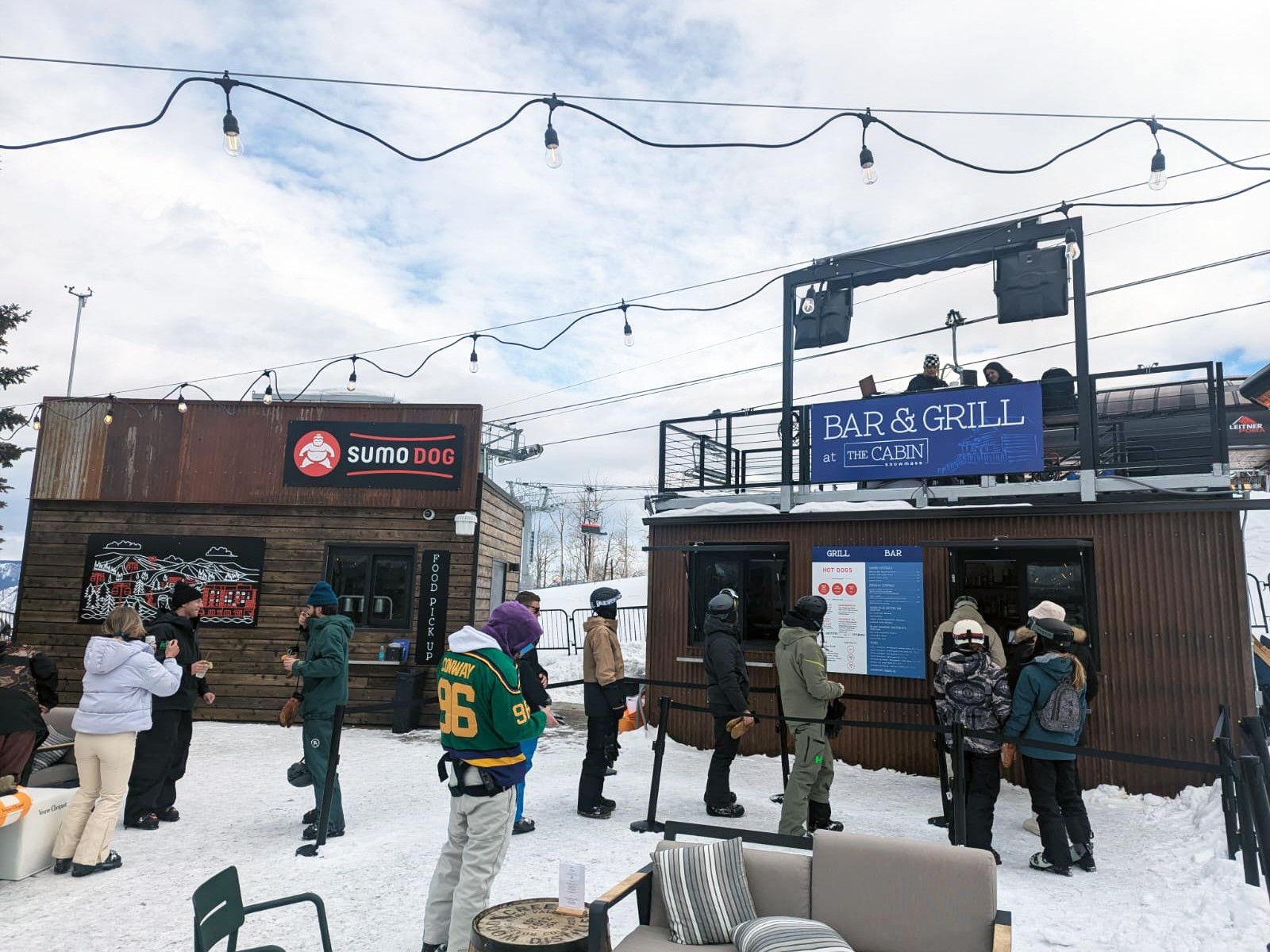

Designing Experiential Hospitality Spaces With Modular Structures

TL;DR

Modular hospitality design works best when the guest experience is planned first and the building system is used to support it. Architects do not need to choose between design flexibility and modular discipline, they need to decide which parts of the project should stay repeatable and which parts should feel site-specific.

  • Guest flow, brand expression, and operational efficiency should shape the modular concept from the start.
  • Modular works well for concessions, bars, suites, guest amenities, and resort support spaces where speed and repeatability matter.
  • Architects get better results when they lock core dimensions and systems early, then use façade, materials, and layout choices to shape the guest-facing experience.
  • ROXBOX supports that process with in-house design, architecture and engineering, factory production, and delivery planning.

Why Modular Fits Experiential Hospitality

Hospitality projects are judged fast. Guests notice circulation, line length, weather protection, sightlines, acoustics, and whether the space feels branded or generic. That is why modular hospitality design should never start with the module alone. It should start with the experience the operator wants to create.

That makes modular a strong fit for hospitality environments that need memorable guest spaces without dragging out field construction. ROXBOX hospitality modular structures are positioned for concessions, kiosks, lounges, and hospitality suites that need to handle heavy foot traffic, changing layouts, and seasonal surges. ROXBOX also frames steel frame modular buildings as flexible in size, layout, and finish options for hospitality and commercial spaces.

What Architects Actually Standardize

The biggest misconception is that modular forces every hospitality project into one look. In practice, the opposite is usually true. The most successful teams standardize the parts the guest does not need to notice: structural logic, utility zones, service circulation, module dimensions, and repeatable back-of-house functions.

That frees the design team to spend more energy on the parts that shape the guest experience: entry sequence, canopy coverage, glazing, bar frontage, material palette, signage integration, and the way the building sits in the site. For architects, the design move is not to standardize everything. It is to standardize what helps production and customize what the guest actually feels.

Design Collaboration Has To Start Early

Modular rewards early coordination. ROXBOX’s modular building services include concept design, architecture and engineering, code compliance, construction management, quality control, delivery, and installation. The company’s four-step process also makes the sequence clear: concept design, architecture and engineering, build, then delivery and installation.

For architects and developers, that sequence matters because hospitality spaces often carry a lot of brand and operational requirements. Service windows, point-of-sale zones, kitchen adjacencies, ADA circulation, equipment loads, and utility tie-ins need to be coordinated before fabrication starts. Early design work feels more disciplined, but it usually reduces field compromise later.

How Modular Still Leaves Room For Brand Expression

Conceptual rendering of Bradley's custom shipping container kitchen at Winter Park Resort.

Experiential hospitality spaces do not win on speed alone. They win when the space feels intentional. Modular can support that by separating the building system from the finish language. The structure can be repeatable while the experience still feels highly specific to the venue, operator, or region.

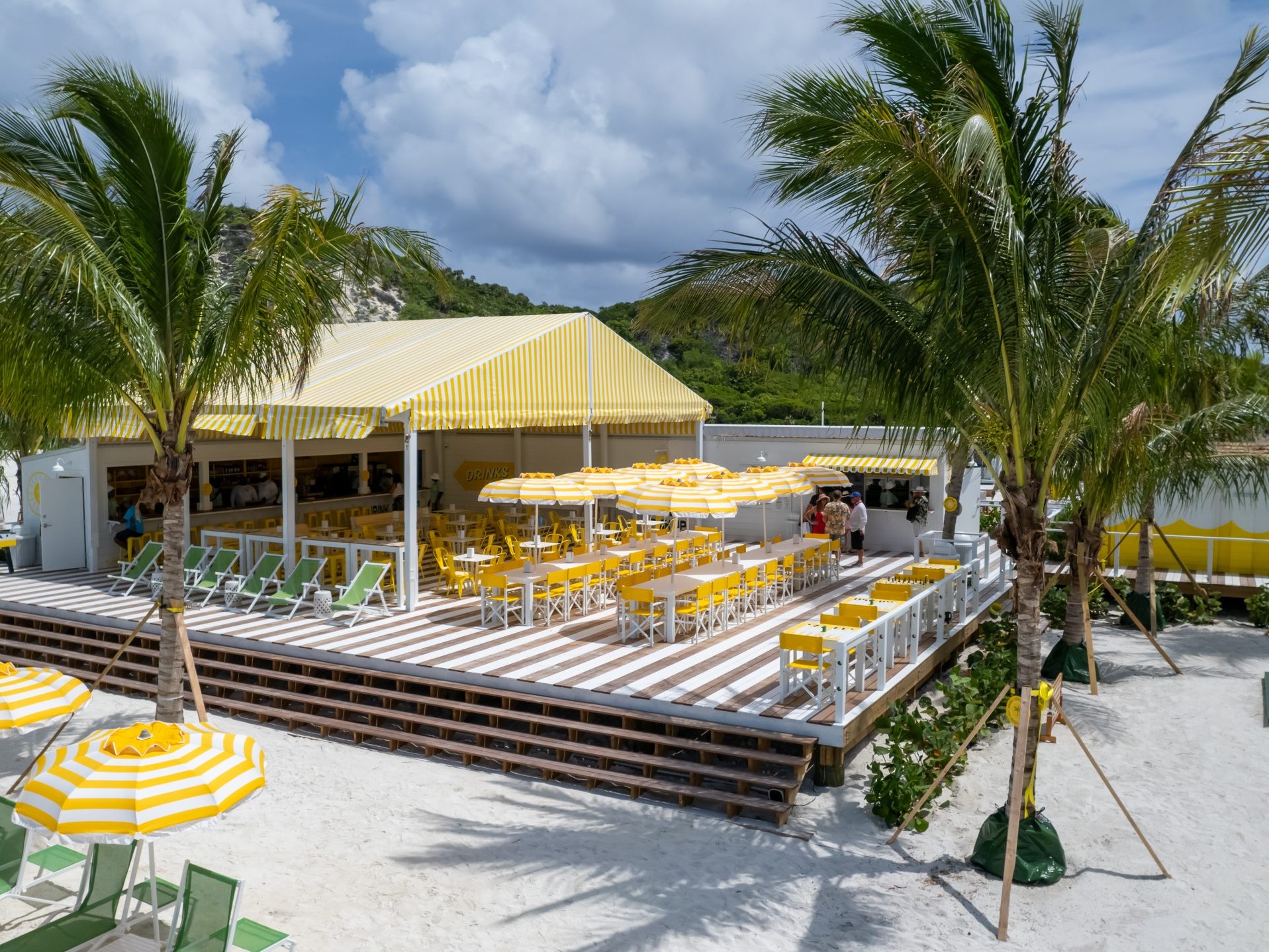
That is where architects can use cladding, roof forms, overhangs, openings, lighting, graphics, and outdoor connections to create a more distinctive identity. ROXBOX’s steel frame modular project portfolio shows that range across hospitality work, including Coconut Club, the Denver Zoo concession stand, and Aspen hospitality projects, where the built form is tied to the setting rather than treated like a generic drop-in box.

Guest Experience And Operations Have To Work Together

Hospitality developers usually need a building that does more than look good in renderings. It has to move guests efficiently, support staff workflow, and hold up under peak demand. That is one reason modular fits experience-driven environments so well. A tightly planned footprint can align front-of-house and back-of-house decisions earlier, before they become expensive job-site fixes.

Architects should pressure-test a few questions early. Where do queues form. Where does weather protection matter most. Can the bar, suite, or concession open with minimal site disruption. Which spaces need repeatability across locations, and which need more site-specific treatment. Those questions lead to better modular design decisions than simply asking how many modules fit on the pad.

Where Modular Has Real Hospitality Value

Modular is especially strong when a hospitality project needs faster deployment, phased growth, or less disruption to an active venue. MBI notes that hospitality developers are using modular construction for accelerated timelines, design flexibility, and more efficient delivery, especially in hotel and guest-focused environments. The same logic applies to resort amenities, food-and-beverage structures, ticketing, and premium guest spaces.

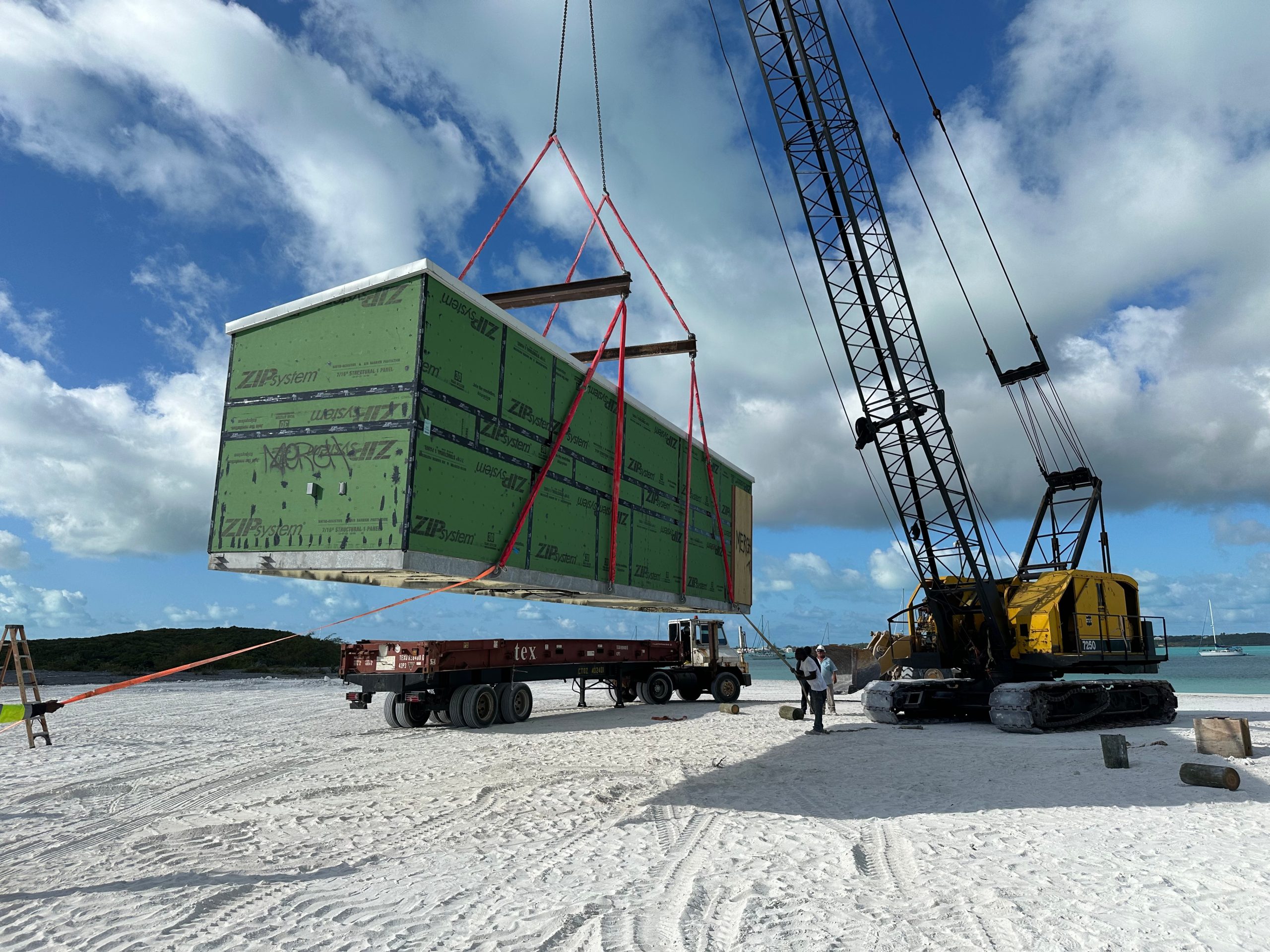
ROXBOX also positions modular for remote and destination hospitality settings. Its island and remote-environment page highlights hospitality infrastructure such as cafés, bars, and resort support spaces for locations where traditional construction can be harder to manage. That makes modular useful not only for design freedom, but for execution in places where schedule and logistics are part of the design problem.

Common Mistakes To Avoid

The first mistake is treating modular like a finished design answer instead of a delivery method. The second is waiting too long to involve the modular partner. The third is over-customizing the structure while under-planning the guest journey and operational layout.

A better approach is to define the experience goals early, identify the repeatable building logic, and use the modular system to support both. That keeps the project from becoming either too generic or too bespoke to build efficiently.

That is where design services matter more than many teams expect. A hospitality developer may already know the concept, but still need help translating it into a modular scope that can be priced, permitted, fabricated, and installed without losing the original design intent.

Where Design Services Add The Most Value

For hospitality architecture, the highest-value design work often happens in the translation layer between concept and execution. The design team has to decide how much of the program should repeat, how the building meets the site, where utilities and service paths sit, and which guest-facing details deserve the budget because they change how the space feels.

How ROXBOX Fits

ROXBOX fits best when a hospitality developer or design team wants one partner that can help connect brand goals, architecture, engineering, manufacturing, and installation. The company’s in-house design and A&E workflow, factory production model, and hospitality-focused steel frame modular work make it a strong fit for guest-facing spaces that need both design flexibility and execution discipline.

For teams exploring hospitality concepts, the hospitality page, modular building services, and ROXBOX’s process overview are the best starting points. When the project is ready for a real conversation, contact ROXBOX to review the site, guest-use goals, and design constraints.

Frequently Asked Questions

Current trends include stronger growth in data centers and lodging, more precise digital design, greater value-chain integration, more active-site and adaptive-reuse applications, and wider use of repeatable rollout models.

It is becoming more established, but selectively. The strongest adoption is happening where schedule pressure, site complexity, and repeatable building needs create a clear business case.

Because modular depends on earlier design certainty. Better 3D coordination, clash detection, and design-to-manufacturing workflows help teams reduce downstream conflicts.

Focus on fit. The best modular opportunities usually come from the right building type, the right site conditions, and a project strategy that values repeatability and coordination.

Author's Bio

Anthony Halsch is the Founder & CEO of ROXBOX and a recognized authority in modular construction, steel frame modular buildings, and custom container structures. He writes about commercial modular building strategy, design, and real-world deployment for developers, operators, and project teams.Factory-built construction changes how quality control is managed in commercial projects. By shifting a large share of work into a controlled manufacturing environment, modular construction can improve inspection consistency, reduce weather-related variability, and create more repeatable production workflows than traditional site-built construction.


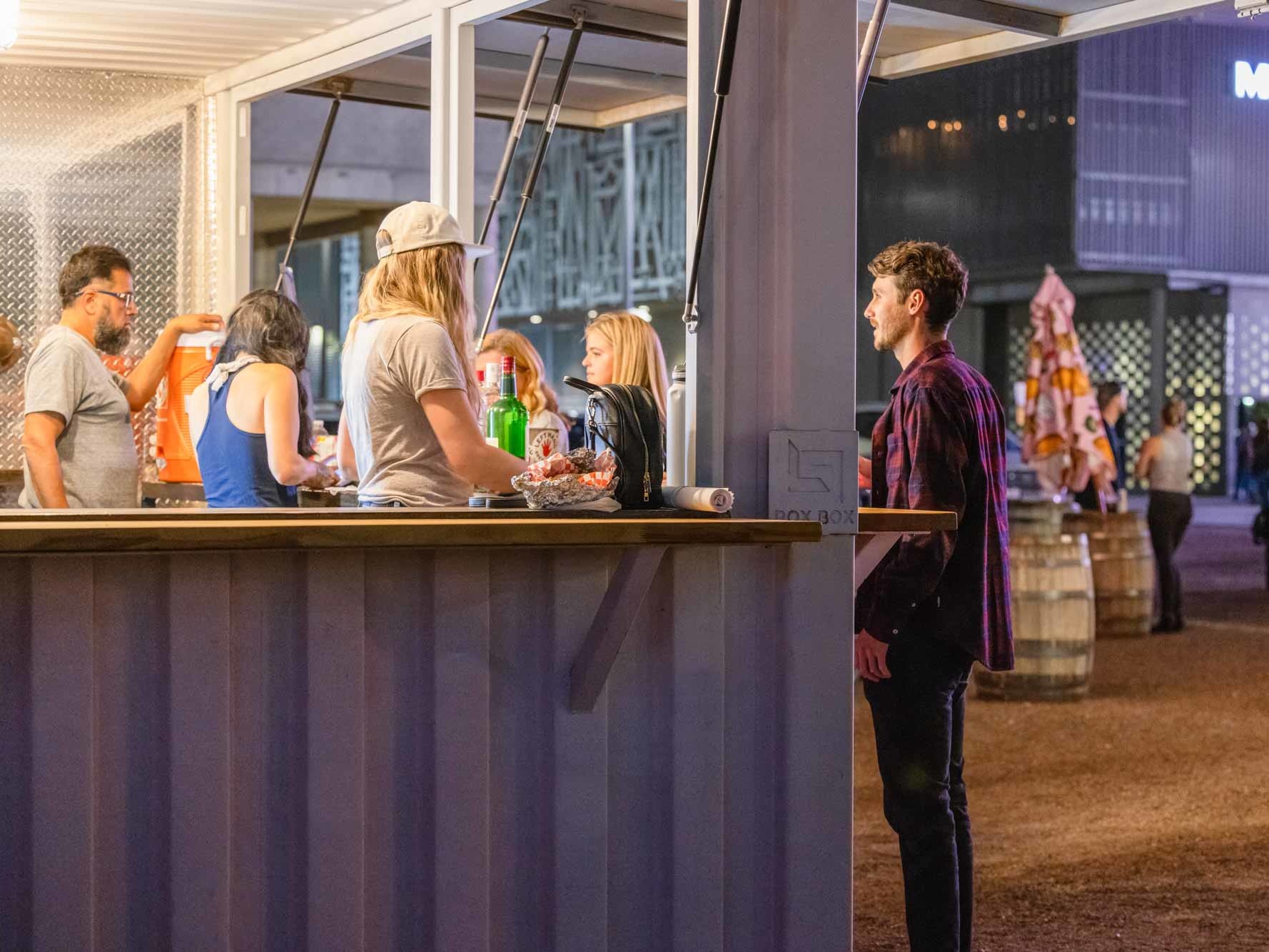
Mission Ballroom Shipping Container Bar ROXBOX Containers

Future Commercial Modular Construction Trends


TL;DR

Commercial modular construction is moving past the old ‘faster build’ talking point. The next wave is being shaped by data-center growth, stronger digital design, more repeatable rollout models, and a bigger push toward adaptive reuse and active-site modernization.

  • Data centers and lodging are among the fastest-growing modular segments.
  • Digital design and better manufacturing systems are making modular more precise.
  • Developers are using modular more strategically in phased rollouts and active sites.
  • The strongest trend is not one product, but a more disciplined delivery model.

Why The Next Few Years Look Different

Commercial modular construction is no longer being evaluated only as a niche alternative. The conversation is becoming more strategic. Developers, owners, and contractors are looking at where modular fits best inside real project portfolios, especially where schedule pressure, labor constraints, complex sites, and repeatable building needs are all in play.

That shift is backed by current industry data. The Modular Building Institute’s 2025 U.S. permanent modular report says the U.S. modular market reached $20.3 billion in 2024 and represented 5.1 percent of total construction activity across key segments, with growth expected to continue through 2029. McKinsey’s 2025 modular outlook also argues that recent advances in data, technology, and manufacturing are finally allowing modular to scale more effectively across more building types.

Trend 1: More Growth In High-Pressure Commercial Segments

One of the clearest trends is where modular growth is concentrating. It is not evenly spread across every building category. Instead, it is showing up where time, repetition, and operational pressure are especially high. MBI’s 2025 report identifies office and data centers, lodging, and multifamily among the key growth segments, with office and data centers projected to grow 7.1 percent annually through 2029 and lodging projected at 9.2 percent.

That lines up with the broader construction outlook. Dodge’s 2026 outlook highlights commercial activity in data centers, warehouses, offices, and hotels, while ConstructConnect’s 2026 economic summary points to data centers as a major driver of recent nonresidential starts. For developers, that matters because modular adoption tends to follow real demand, not abstract enthusiasm.

Trend 2: Digital Design Is Becoming A Bigger Competitive Advantage

Another clear trend is the growing importance of precise digital coordination before fabrication begins. As modular projects become more sophisticated, the industry is moving away from rough prefabrication assumptions and toward tighter BIM, clash detection, and more disciplined design-to-manufacturing workflows.

Autodesk’s 2026 construction trends roundup points directly to this shift, with contributors predicting more modular and prefabrication work tied to highly accurate, clash-free 3D models. McKinsey makes a similar point, arguing that digital platforms and more tailored manufacturing systems are helping modular projects optimize designs for specific sites rather than forcing every project into a narrow template.

Trend 3: Value Chain Control And Integration Matter More

The modular conversation is also becoming less about isolated fabrication and more about control across the project path. McKinsey’s 2025 research suggests that modular companies with stronger value-chain integration tend to perform better, especially those that combine manufacturing and on-site assembly. That is a useful signal for developers, because the next phase of modular growth will likely favor partners who can connect design, engineering, fabrication, delivery, and installation more cleanly.

Trend 4: Active-Site Modernization And Adaptive Reuse Are Getting More Attention

Not every trend is about greenfield speed. Another one is the growing relevance of modular in active, constrained, or already-built environments. Autodesk’s 2026 outlook points to more renovation and modernization work happening in live settings where documentation, logistics, and sequencing are critical. ConstructConnect’s 2026 economic analysis also highlights reconstruction and adaptive reuse as a growing area of opportunity.

That matters because modular can be useful when developers want to add or replace targeted commercial space without turning the whole site into a long-duration construction zone. Retail additions, hospitality amenities, field operations buildings, and public-facing activation spaces are all part of that larger pattern.

Trend 5: Repeatable Rollout Models Are Becoming More Valuable

ROXBOX client Winter Park Resorts shipping container kitchen

The next wave of commercial modular adoption will likely be strongest where the building program itself is repeatable. Franchise expansion, hospitality portfolios, phased developments, and infrastructure support buildings all benefit when the delivery model can be reused and refined instead of rebuilt from zero each time.

What Developers Should Watch Closely

For developers, the most important trend may be this: modular is becoming more selective and more strategic at the same time. The market is not moving toward a future where every commercial building is modular. It is moving toward a future where more teams understand exactly which building types, portfolios, and project conditions create the strongest fit.

That means the best thought-leadership takeaway is not hype. It is pattern recognition. Growth is clustering around data centers, hospitality, and repeatable commercial programs. Digital precision is becoming a bigger differentiator. Integrated delivery models are getting more important. And active-site, adaptive, and phased-development use cases are becoming more relevant than they were a few years ago.

This is also where ROXBOX fits naturally into the industry outlook. ROXBOX already frames its work around an integrated modular process and steel frame modular services, which aligns with the broader market trend toward tighter coordination rather than fragmented handoffs.

ROXBOX’s public work already points in that direction through QSR-focused modular buildings, hospitality modular buildings, and development-focused modular work. Those categories reflect one of the biggest trend lines in the market: modular works best when it is treated as a repeatable delivery strategy, not a one-off experiment.

How ROXBOX Fits

ROXBOX designs, engineers, and builds modular construction solutions that include steel frame modular buildings and custom container structures. In that sense, ROXBOX is already aligned with several of the industry’s stronger trend lines: integrated delivery, repeatable commercial rollout, infrastructure-oriented applications, and design-forward modular work. Teams can explore steel frame modular capabilities, review development-focused modular work, or contact ROXBOX to discuss how these commercial modular construction trends may affect a specific pipeline, portfolio, or upcoming development strategy.

Frequently Asked Questions

Current trends include stronger growth in data centers and lodging, more precise digital design, greater value-chain integration, more active-site and adaptive-reuse applications, and wider use of repeatable rollout models.

It is becoming more established, but selectively. The strongest adoption is happening where schedule pressure, site complexity, and repeatable building needs create a clear business case.

Because modular depends on earlier design certainty. Better 3D coordination, clash detection, and design-to-manufacturing workflows help teams reduce downstream conflicts.

Focus on fit. The best modular opportunities usually come from the right building type, the right site conditions, and a project strategy that values repeatability and coordination.

Author's Bio

Anthony Halsch is the Founder & CEO of ROXBOX and a recognized authority in modular construction, steel frame modular buildings, and custom container structures. He writes about commercial modular building strategy, design, and real-world deployment for developers, operators, and project teams.Factory-built construction changes how quality control is managed in commercial projects. By shifting a large share of work into a controlled manufacturing environment, modular construction can improve inspection consistency, reduce weather-related variability, and create more repeatable production workflows than traditional site-built construction.


Designing Outdoor Container Commercial Spaces With Container Architecture

TL;DR

Container architecture can be a strong fit for outdoor container commercial spaces that need to open faster, stand out visually, and support flexible tenant mixes. For developers, the real advantage is not just the look. It is the ability to turn underused outdoor areas into active revenue-generating space.

  • Container layouts work well for plazas, bars, retail clusters, and food-led gathering spaces.
  • The best projects combine strong visual identity with circulation, shade, seating, and service planning.
  • Outdoor commercial success depends on tenant mix and site flow, not just container placement.
  • ROXBOX projects show how container parks and bar concepts can anchor active public environments.

Why Outdoor Commercial Space Has Changed

Many outdoor container commercial projects are no longer just about adding patio seating or a temporary kiosk. Developers are looking for ways to activate plazas, parking fields, entertainment districts, and open-air retail environments with stronger identity and better tenant flexibility. That shift is one reason container architecture keeps showing up in outdoor commercial planning.

A container-based approach can create a defined commercial edge faster than many conventional field builds, especially when the goal is to combine multiple small-format concepts in one visible destination. For the right site, that makes containers less of a novelty and more of a development tool.

Where Container Architecture Fits Best

Outdoor commercial spaces tend to work best when the layout gives people a reason to linger. That usually means food and beverage, retail, entertainment, or guest amenities are organized as a small district rather than as disconnected units. Containers can support that kind of composition well because they create strong edges, repeatable footprints, and visually distinct tenant zones.

ROXBOX positions this directly through commercial container structures, retail concepts, and bar and taproom builds. Those categories point to the types of uses that often shape successful outdoor environments: bars, retail, cafés, kitchens, concession concepts, and branded gathering spaces.

The Design Questions That Matter Most

The strongest outdoor commercial projects are not designed container by container. They are designed as places. That means circulation, visibility, tenant mix, and public comfort need to be resolved at the same level as the individual units.

Developers should think early about sightlines, queue areas, service access, seating, weather protection, lighting, and the relationship between the containers and the open space between them. In many projects, the void is just as important as the structure. The containers define the edge, but the shared outdoor area is what makes the project feel active.

A Few ROXBOX Projects Make The Pattern Clear

ROXBOX has several outdoor commercial examples that show how different this category can be depending on the site and the business model.

The SERV Container Park is one of the clearest mixed-use examples. ROXBOX led the design of an outdoor container park using 19 shipping containers for food and beverage vendors, retail and office suites, bathrooms, storage, and branded installations. That project helps show how containers can define an outdoor district, not just a single tenant space.

The Aspen Grove bar project shows a different angle. Instead of building a full container park, the project uses a modular bar as the centerpiece of a beer garden inside a shopping complex. That is useful for developers who want activation without reworking the whole site.

Projects like Market 5 and South Metro Fire Rescue mixed-use asset also show that container architecture can support broader site-making strategies. In those contexts, the structures help organize tenant uses, activate outdoor circulation, and create a stronger sense of destination.

Bars, Retail, And Plazas Do Not All Want The Same Thing

One reason these projects are so varied is that each use has a different operational center. A bar concept may need service speed, social visibility, and queue control. A retail cluster may care more about storefront rhythm, display frontage, and tenant individuality. A plaza concept may need the whole mix to work together around dwell time and public energy.

That is why container architecture works best when the design is tied closely to the site’s commercial objective. The right layout for a food-led entertainment environment may be the wrong layout for an outdoor shopping expansion. The structure should follow the operating model.

Why Developers Like The Format

For developers, container outdoor commercial spaces can offer a useful mix of speed, visibility, and flexibility. Smaller-format units can lower the threshold for tenant activation. Multi-unit layouts can turn open land into revenue-producing space sooner. And the visual character of container architecture can help a site feel intentional even before a broader master plan is complete.

That logic also connects with ROXBOX Developments, where the company frames container parks, commercial developments, and multi-unit structures as scalable modular opportunities. For outdoor projects, that development mindset matters more than the container itself. It shifts the question from “Can we use containers here?” to “How should this place work?”

How ROXBOX Fits

ROXBOX designs, engineers, and builds modular construction solutions that include steel frame modular buildings and custom container structures. For developers exploring outdoor commercial space, that means ROXBOX can support everything from a single bar or retail unit to a larger multi-tenant container park. Teams can explore commercial container structures, review development-focused modular work, or contact ROXBOX to discuss plazas, bars, retail clusters, and outdoor activation strategies for a specific site.

Frequently Asked Questions

They are outdoor business environments built around container structures for uses like bars, cafés, retail, concession concepts, and multi-tenant plazas.

It can help activate open-air sites faster, create strong visual identity, and support flexible tenant mixes in a smaller footprint.

No. They can also work in shopping centers, mixed-use developments, hospitality sites, and public-facing commercial spaces where small-format activation makes sense.

Circulation, tenant mix, shade, seating, service flow, and site identity matter just as much as the container units themselves.

Author's Bio

Anthony Halsch is the Founder & CEO of ROXBOX and a recognized authority in modular construction, steel frame modular buildings, and custom container structures. He writes about commercial modular building strategy, design, and real-world deployment for developers, operators, and project teams.Factory-built construction changes how quality control is managed in commercial projects. By shifting a large share of work into a controlled manufacturing environment, modular construction can improve inspection consistency, reduce weather-related variability, and create more repeatable production workflows than traditional site-built construction.


Factory-Built vs Site-Built Quality Control in Commercial Construction


TL;DR

Factory-built construction changes how quality control is managed in commercial projects. By shifting a large share of work into a controlled manufacturing environment, modular construction can improve inspection consistency, reduce weather-related variability, and create more repeatable production workflows than traditional site-built construction.

  • Factory environments support more consistent inspection and quality assurance procedures.
  • Traditional job sites introduce variability from weather, access constraints, and trade scheduling.
  • Factory fabrication allows teams to inspect structural and building systems at multiple stages before installation.
  • Developers often evaluate modular construction for quality predictability and risk reduction, not only for schedule advantages.

Why Quality Control Matters in Commercial Construction

For commercial developers, quality control is not just a construction issue. It is a financial and operational issue. Buildings that suffer from construction defects, coordination conflicts, or inconsistent workmanship can create downstream costs that show up in warranty work, delayed openings, tenant disruption, and long-term maintenance. That is why developers comparing delivery models should look beyond cost and schedule alone. They should also ask which approach gives the project better control over construction quality.

In a traditional site-built process, most building work happens outdoors on an active construction site. Structural systems, mechanical rough-ins, electrical systems, exterior enclosure, and interior finishes are assembled in the field while multiple subcontractors work through a changing schedule. That model can succeed, but it also introduces a high degree of variability. Weather changes. Site logistics change. Trade sequencing changes. Material protection becomes more difficult. Inspection timing can become more reactive than planned.

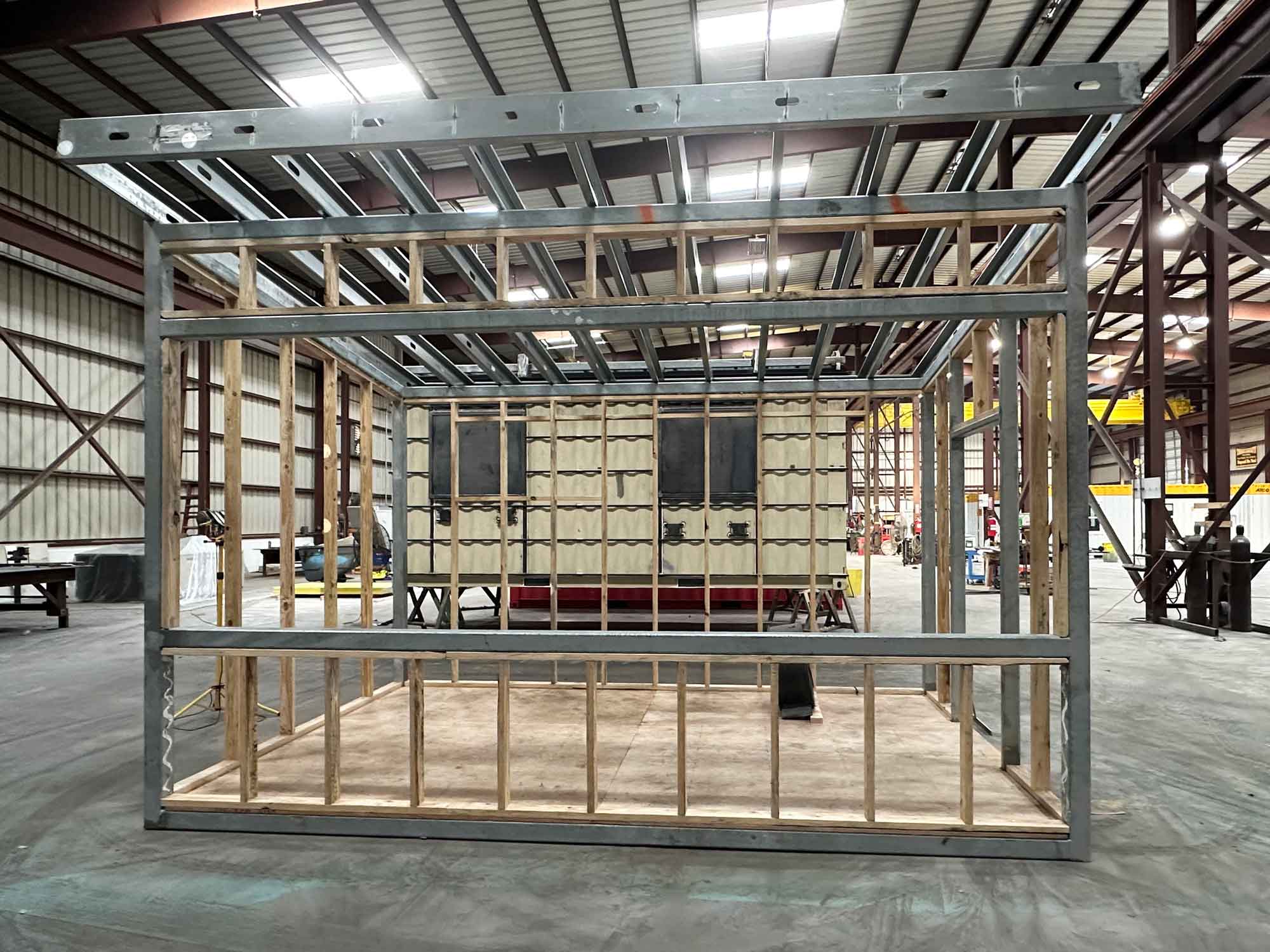
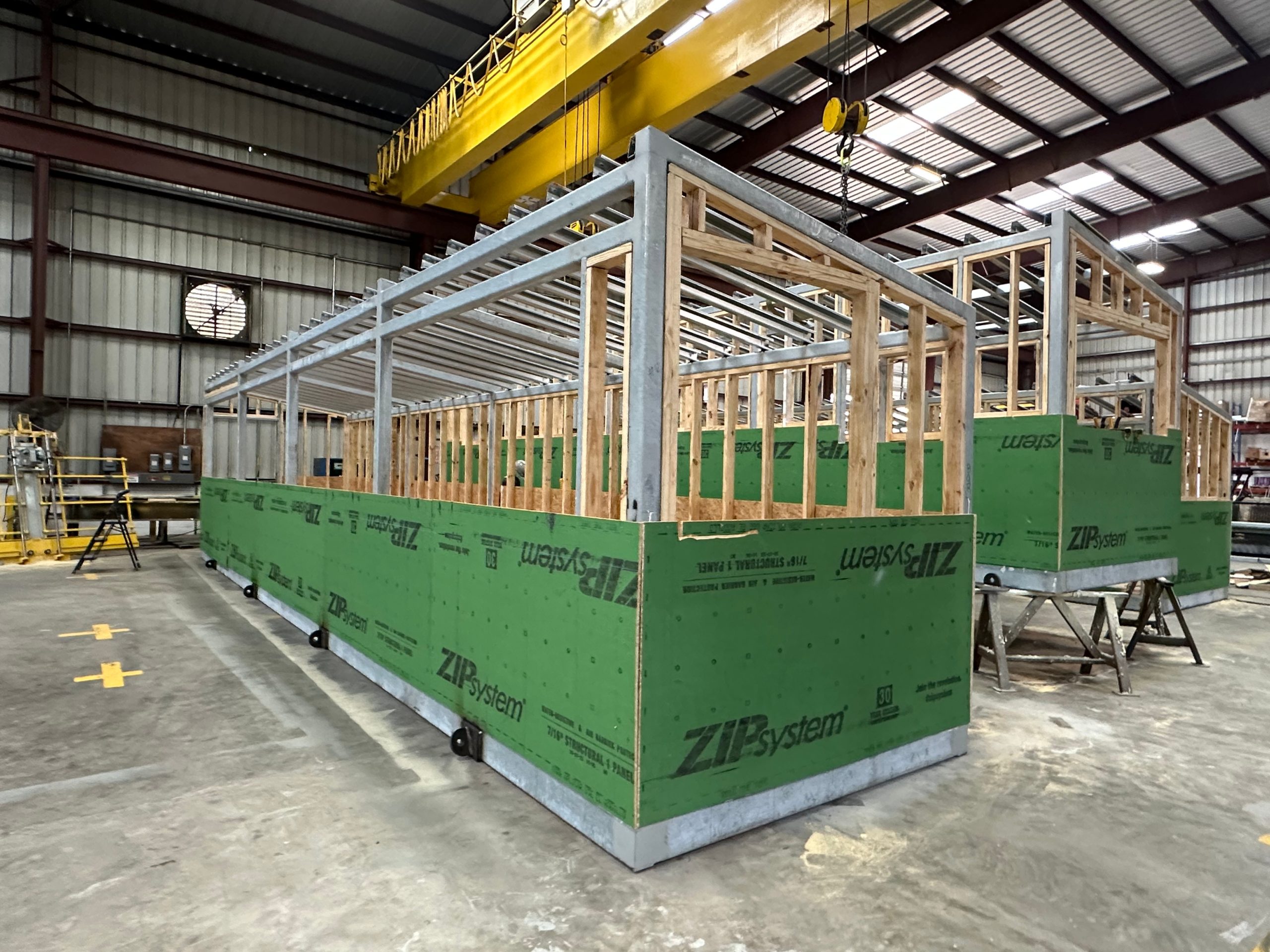
Factory-built construction changes that environment. In modular construction, much of the work moves into a controlled production setting where teams can standardize workflows, inspect assemblies as they move through production, and reduce some of the environmental variability that comes with field construction. That does not make modular automatically better in every project. It does mean developers should treat factory-built quality control as a strategic difference worth evaluating carefully.

The Factory Environment Creates More Repeatable Conditions

One of the clearest differences between factory-built and site-built construction is the stability of the work environment. A job site is dynamic by nature. Materials arrive in stages. Different trades move in and out. Weather can interrupt work or change the conditions in which materials are stored and installed. Even strong project teams must constantly adapt to these variables.

A factory environment is different. Production takes place indoors under more stable lighting, handling, staging, and workflow conditions. Teams can build against repeatable standards instead of constantly adjusting to field conditions. That matters because repeatability is one of the foundations of reliable quality control. When the process is more repeatable, inspection checkpoints are easier to define, documentation is easier to maintain, and deviations are easier to catch early.

For developers, this matters most in projects where consistency across multiple structures or repeated units is important. If a project involves multiple buildings, phased deployment, or standardized layouts, controlled production conditions can help maintain more uniform quality from one module to the next.

Inspections Can Happen Earlier and More Often

In many site-built projects, inspections occur after a section of work has already advanced or been enclosed. When issues are discovered late, rework can become more disruptive and more expensive. Factory-built construction allows teams to inspect work at more defined stages while assemblies are still accessible.

Structural framing can be reviewed before wall systems are closed. Mechanical and electrical systems can be checked before finishes go in. Interior assemblies can be verified before modules leave the plant. This staged inspection model improves visibility into how the building is actually coming together. It also gives quality teams more opportunities to identify errors before they affect downstream work.

Developers looking at modular delivery should review how the production and inspection workflow is structured. The ROXBOX modular construction process gives a high-level view of how concept design, architecture and engineering, build, and delivery plus installation connect in a repeatable sequence.

Material Protection Is Easier to Manage Indoors

Weather exposure is one of the biggest quality variables in traditional construction. Moisture, temperature swings, and job-site delays can all affect how materials perform during installation. Contractors take steps to protect framing, sheathing, insulation, and finishes, but those measures still depend on timing and field conditions.

Factory-built construction reduces that exposure during major stages of production. Structural and interior work can be completed indoors before the building ever reaches the site. Materials are handled in a more controlled environment, which helps reduce the chance of early-stage moisture exposure or damage from changing site conditions.

For developers, this is not just about neatness or productivity. It is about protecting building components during vulnerable parts of the construction sequence. A controlled production environment can support more consistent outcomes when durability and lifecycle performance are important considerations.

Trade Coordination Starts Earlier in Modular Projects

Quality control is also shaped by coordination, not just by inspection. In conventional construction, conflicts between structure, mechanical systems, electrical runs, and interior assemblies often surface during field installation. When coordination issues are discovered late, rework can affect both quality and schedule.

Modular construction pushes more of that coordination upstream. Because modules must be manufactured, transported, and installed within defined dimensional and system constraints, architects, engineers, and fabrication teams usually resolve more of the building logic before production begins. That early coordination can reduce the likelihood of field improvisation and late-stage clashes.

Developers often see the benefit of this approach in projects where repeatability matters. Once the system is coordinated well, the production team can apply that logic consistently across multiple modules or buildings. That is one reason modular is often attractive in rollout programs and multi-building developments.

Factory-Built Quality Control Still Depends on the Right Process

Factory-built construction does not eliminate risk. It changes where risk sits and how it should be managed. Site work, foundations, utilities, delivery logistics, and installation still matter. A poorly coordinated modular project can still create quality issues if design assumptions are weak or if installation is not planned well.

That is why developers should look beyond the phrase factory-built and examine the actual delivery model. They should ask how the project moves from concept design through engineering, production, delivery, and installation. They should look for a process that clearly defines responsibilities and inspection checkpoints, not just marketing claims about speed.

ROXBOX explains this through its structured four-step process, which outlines concept design, architecture and engineering, build, then delivery and installation. For developers, that kind of visible process framing is useful because it shows where quality control responsibilities should be addressed, not just where modules are manufactured.

Where Factory-Built Construction Fits Best for Developers

The strongest case for factory-built construction often appears where quality consistency matters across more than one structure. Multi-building developments, phased commercial projects, hospitality programs, restaurant rollouts, and repeatable building concepts often benefit from controlled production conditions because consistency becomes part of the business case, not just the construction case.

Industry context supports this view. The Modular Building Institute notes that modular construction shifts significant work into controlled factory conditions and can reduce on-site disruption while still meeting the same codes and standards as conventional construction. That does not replace project-specific due diligence, but it reinforces why developers often evaluate modular quality control as part of a broader risk-management strategy.

Conclusion And Next Steps

Developers comparing modular and traditional construction should look closely at how each delivery model manages inspection, material protection, and coordination. Factory-built construction is not a blanket guarantee of better results, but it can create more repeatable conditions for quality assurance when the project and process are aligned well.

For a commercial developer, the right question is not simply whether modular is faster. It is whether the project would benefit from a more controlled production environment, earlier coordination, and a clearer path to consistent execution. That is the kind of evaluation that leads to better project decisions.

Developers assessing commercial modular delivery can also review ROXBOX steel frame modular services to see how the company positions precision fabrication, scalability, and long-term performance for steel frame modular buildings.

Frequently Asked Questions

Factory-built construction can improve consistency because teams work in controlled conditions and can inspect assemblies during multiple stages of fabrication. Quality still depends on design, execution, and installation, but the environment makes repeatable QA processes easier to manage.

Many modular projects involve inspections during fabrication as well as after on-site installation. That layered approach allows teams to review structural and building systems before modules leave the factory and again after they are connected on site.

Yes. Commercial modular buildings are generally required to meet the same code requirements as conventional construction, although approval and inspection pathways can vary by jurisdiction.

It often makes the most sense when a project has repeatable layouts, phased delivery, rollout needs, or site conditions that make controlled off-site production more valuable than a purely field-built approach.

Contact ROXBOX To Get Started

If you are comparing modular and traditional delivery methods, start by reviewing ROXBOX’s modular construction process to understand how design, engineering, fabrication, and installation are coordinated.For a project-specific discussion about commercial modular quality, phasing, and delivery strategy, contact ROXBOX to request a consultation.

Author's Bio

Anthony Halsch is the Founder & CEO of ROXBOX and a recognized authority in modular construction, steel frame modular buildings, and custom container structures. He writes about commercial modular building strategy, design, and real-world deployment for developers, operators, and project teams.Factory-built construction changes how quality control is managed in commercial projects. By shifting a large share of work into a controlled manufacturing environment, modular construction can improve inspection consistency, reduce weather-related variability, and create more repeatable production workflows than traditional site-built construction.


Steel Frame Modular Retail Rollouts: How National Brands Deploy Locations Faster


TL;DR

Retail brands expanding across multiple markets often struggle with construction timelines and inconsistent site conditions. Steel frame modular buildings allow development teams to deploy retail locations faster by shifting much of the building process into a controlled fabrication environment.

  • Modular construction enables repeatable building designs across multiple locations.
  • Factory fabrication allows simultaneous site work and building production.
  • Controlled production reduces variability between locations in rollout programs.
  • Retail development managers can scale expansion strategies more predictably with modular delivery.

Why Retail Rollouts Create Unique Development Challenges

Retail expansion programs operate under different pressures than single-site development projects. National and regional brands often need to deploy multiple locations across different markets within a tight timeline. These rollout programs may involve dozens or even hundreds of stores, each with similar operational requirements but different site conditions.

For retail development managers, the challenge is not only building a single location efficiently. It is replicating that success across multiple markets while maintaining brand consistency and schedule predictability. Traditional construction methods can make this difficult because each project site introduces new variables. Labor availability, weather conditions, permitting timelines, and contractor coordination can all influence how quickly a location opens.

Steel frame modular construction offers a different approach. Instead of building every store from scratch on site, modular construction allows teams to fabricate large portions of the building in a controlled production facility. When the building modules arrive on site, much of the interior work is already complete. This shift in the construction process helps reduce variability and accelerate deployment schedules for multi-location retail expansion.

Repeatable Building Systems Support Scalable Retail Growth

One of the most important advantages of modular construction in retail expansion is repeatability. Retail brands often rely on standardized building layouts that support consistent customer experiences and operational workflows. When a building design is already standardized, modular construction can reinforce that consistency.

Steel frame modular buildings can be engineered as repeatable building systems. Once the design, engineering documentation, and fabrication process are coordinated, the same production workflow can be applied to multiple locations. That repeatability reduces the amount of redesign or field improvisation required for each new site.

For retail development teams, this creates a scalable model. Instead of approaching every project as a completely new construction effort, the rollout program becomes a structured production process. Locations can be deployed more efficiently because design decisions have already been validated during earlier phases of the rollout.

Parallel Construction Improves Rollout Timelines

Another factor that influences retail rollout speed is construction sequencing. In traditional construction, most work happens sequentially on the job site. Site preparation must be completed before structural work begins. Interior construction follows after the building envelope is complete.

Modular construction changes that sequence. While foundations and site infrastructure are being prepared, the building itself can be fabricated in a factory environment. These parallel workflows reduce the overall timeline because fabrication and site preparation happen at the same time rather than one after the other.

The Modular Building Institute notes that modular construction can shorten project timelines because the majority of construction activity occurs indoors while site work progresses simultaneously. For retail brands deploying multiple locations, these time savings can accumulate across the entire rollout program, enabling faster market entry.

Material Protection Is Easier to Manage Indoors

Weather exposure is one of the biggest quality variables in traditional construction. Moisture, temperature swings, and job-site delays can all affect how materials perform during installation. Contractors take steps to protect framing, sheathing, insulation, and finishes, but those measures still depend on timing and field conditions.

Factory-built construction reduces that exposure during major stages of production. Structural and interior work can be completed indoors before the building ever reaches the site. Materials are handled in a more controlled environment, which helps reduce the chance of early-stage moisture exposure or damage from changing site conditions.

For developers, this is not just about neatness or productivity. It is about protecting building components during vulnerable parts of the construction sequence. A controlled production environment can support more consistent outcomes when durability and lifecycle performance are important considerations.

Consistency Across Markets and Locations

Retail brands place a high value on consistency. Customers expect a recognizable environment whether they visit a location in one city or another. Construction quality and layout consistency therefore play a role in maintaining brand identity.

Factory-based modular fabrication helps support this consistency. When buildings are produced in a controlled manufacturing environment, teams can maintain standardized assembly procedures and quality inspections. Materials are stored indoors, installation steps are documented, and production conditions remain stable from one module to the next.

For rollout programs, this consistency becomes particularly valuable. Each new location benefits from lessons learned during earlier installations. Over time, the production process becomes more refined, allowing development teams to deploy stores with greater efficiency and fewer surprises.

Why Steel Frame Modular Buildings Work Well for Retail

Steel frame modular buildings are particularly well suited to commercial retail applications. Steel structural systems offer durability, flexibility in interior layouts, and compatibility with a wide range of architectural finishes. Retail buildings may require open floor areas, integrated service counters, mechanical systems, and exterior brand elements that must be installed consistently across locations.

Modular steel frame construction allows these elements to be integrated during fabrication. Electrical systems, plumbing, HVAC components, and interior finishes can often be installed before the building modules leave the factory. When modules arrive on site, the focus shifts to installation, utility connections, and final commissioning rather than building the structure piece by piece.

Retail development managers often evaluate modular construction for these reasons. The approach supports repeatable building systems, scalable expansion programs, and faster deployment timelines.

Planning Retail Rollouts With a Modular Partner

Successful modular rollout programs depend on coordination between design teams, engineers, manufacturers, and development managers. Early planning ensures that building layouts, engineering documentation, and fabrication workflows align with the broader expansion strategy.

Retail development teams evaluating modular delivery should review how the project moves from concept design through engineering coordination, fabrication, and installation. A modular partner that manages these phases in an integrated process can help reduce coordination gaps and improve rollout predictability.

For brands deploying multiple locations, the most valuable outcome is often not simply faster construction. It is a clearer development process that allows expansion planning to scale across new markets.

Frequently Asked Questions

Modular construction allows standardized building designs to be fabricated in a controlled environment, which helps retail brands deploy multiple locations with greater speed and consistency.

Yes. Modular buildings can incorporate the same architectural finishes, interior layouts, and branding elements used in traditional retail construction.

Yes. Foundations, utilities, and site infrastructure must be completed before modules are installed.

Ideally during early design and planning stages so engineering coordination and fabrication workflows align with expansion timelines.

Conclusion And Next Steps

Steel frame modular buildings provide a practical framework for retail rollout strategies that prioritize speed, consistency, and scalability. By combining repeatable building systems with off-site fabrication, developers can deploy new locations more efficiently while maintaining brand standards.

For retail development managers, the next step is understanding how modular construction integrates with site selection, engineering coordination, and expansion planning across multiple markets.

Retail development teams can review ROXBOX retail solutions to understand how modular construction supports multi-location retail expansion.

To see how modular projects move from concept design through fabrication and installation, review ROXBOX’s modular construction process.

Developers evaluating building systems for rollout programs may also review ROXBOX steel frame modular services for more detail on commercial modular building capabilities.

For additional industry context on modular construction timelines and rollout efficiency, see Modular Building Institute overview of modular construction. For project-specific rollout planning and modular deployment consultation, contact ROXBOX.

Author's Bio

Anthony Halsch is the Founder & CEO of ROXBOX and a recognized authority in modular construction, steel frame modular buildings, and custom container structures. He writes about commercial modular building strategy, design, and real-world deployment for developers, operators, and project teams.Factory-built construction changes how quality control is managed in commercial projects. By shifting a large share of work into a controlled manufacturing environment, modular construction can improve inspection consistency, reduce weather-related variability, and create more repeatable production workflows than traditional site-built construction.


Privacy Preference Center