

Factory-Built vs Site-Built Quality Control in Commercial Construction
TL;DR
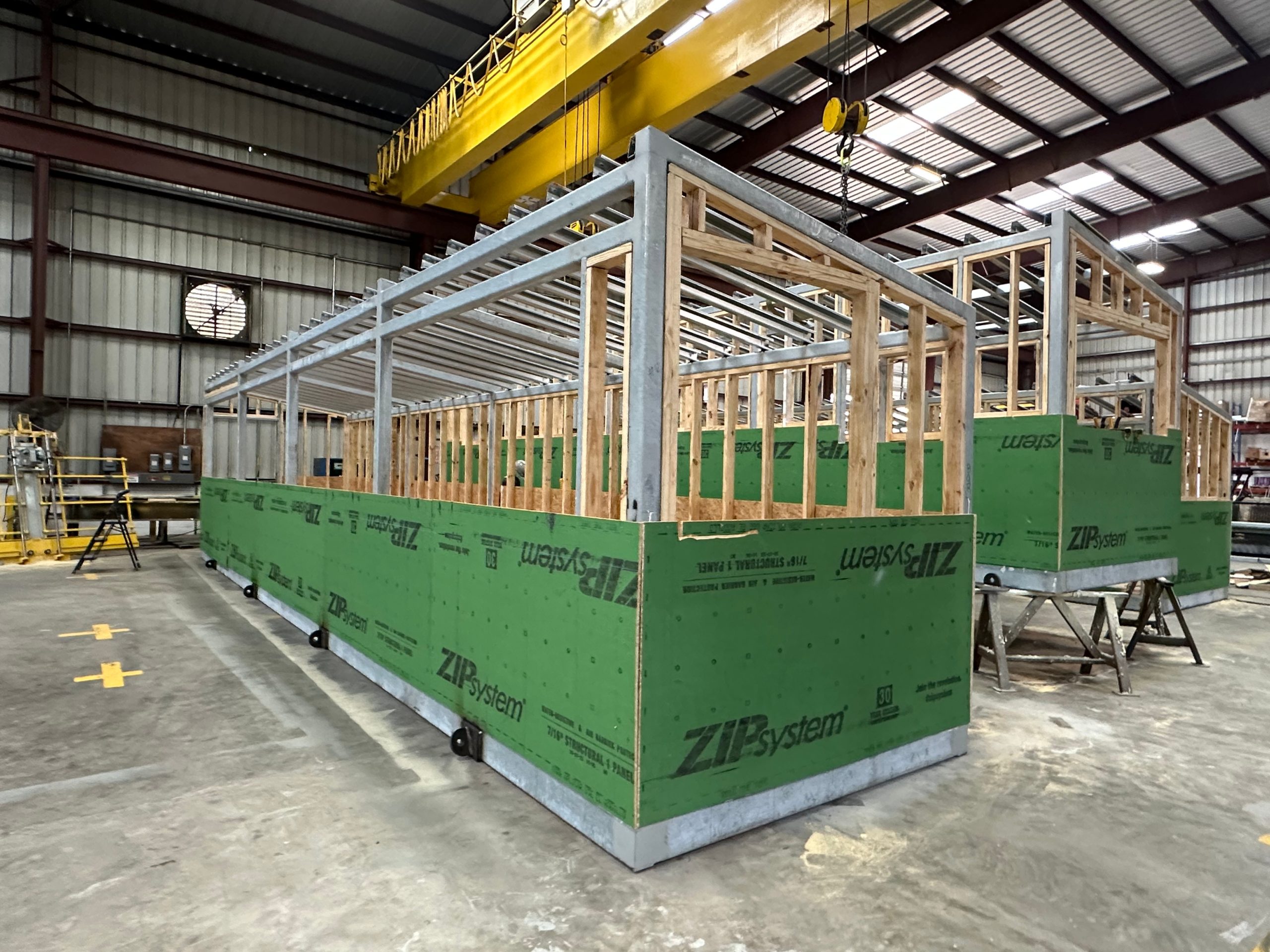
Factory-built construction changes how quality control is managed in commercial projects. By shifting a large share of work into a controlled manufacturing environment, modular construction can improve inspection consistency, reduce weather-related variability, and create more repeatable production workflows than traditional site-built construction.
- Factory environments support more consistent inspection and quality assurance procedures.
- Traditional job sites introduce variability from weather, access constraints, and trade scheduling.
- Factory fabrication allows teams to inspect structural and building systems at multiple stages before installation.
- Developers often evaluate modular construction for quality predictability and risk reduction, not only for schedule advantages.
Why Quality Control Matters in Commercial Construction
For commercial developers, quality control is not just a construction issue. It is a financial and operational issue. Buildings that suffer from construction defects, coordination conflicts, or inconsistent workmanship can create downstream costs that show up in warranty work, delayed openings, tenant disruption, and long-term maintenance. That is why developers comparing delivery models should look beyond cost and schedule alone. They should also ask which approach gives the project better control over construction quality.
In a traditional site-built process, most building work happens outdoors on an active construction site. Structural systems, mechanical rough-ins, electrical systems, exterior enclosure, and interior finishes are assembled in the field while multiple subcontractors work through a changing schedule. That model can succeed, but it also introduces a high degree of variability. Weather changes. Site logistics change. Trade sequencing changes. Material protection becomes more difficult. Inspection timing can become more reactive than planned.
Factory-built construction changes that environment. In modular construction, much of the work moves into a controlled production setting where teams can standardize workflows, inspect assemblies as they move through production, and reduce some of the environmental variability that comes with field construction. That does not make modular automatically better in every project. It does mean developers should treat factory-built quality control as a strategic difference worth evaluating carefully.
The Factory Environment Creates More Repeatable Conditions
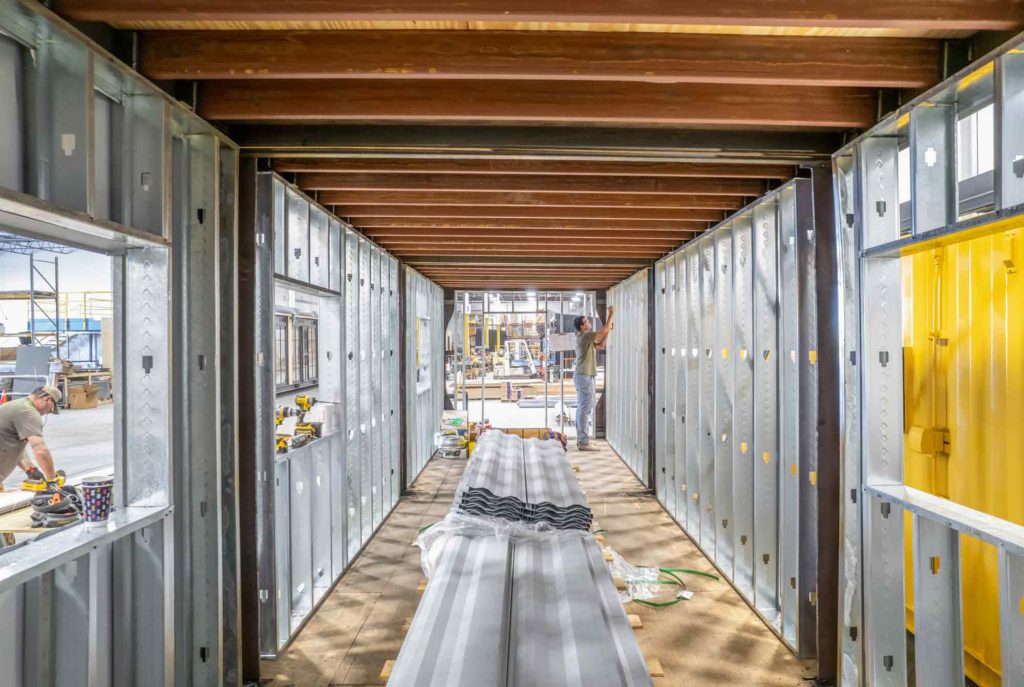
One of the clearest differences between factory-built and site-built construction is the stability of the work environment. A job site is dynamic by nature. Materials arrive in stages. Different trades move in and out. Weather can interrupt work or change the conditions in which materials are stored and installed. Even strong project teams must constantly adapt to these variables.
A factory environment is different. Production takes place indoors under more stable lighting, handling, staging, and workflow conditions. Teams can build against repeatable standards instead of constantly adjusting to field conditions. That matters because repeatability is one of the foundations of reliable quality control. When the process is more repeatable, inspection checkpoints are easier to define, documentation is easier to maintain, and deviations are easier to catch early.
For developers, this matters most in projects where consistency across multiple structures or repeated units is important. If a project involves multiple buildings, phased deployment, or standardized layouts, controlled production conditions can help maintain more uniform quality from one module to the next.
Inspections Can Happen Earlier and More Often
In many site-built projects, inspections occur after a section of work has already advanced or been enclosed. When issues are discovered late, rework can become more disruptive and more expensive. Factory-built construction allows teams to inspect work at more defined stages while assemblies are still accessible.
Structural framing can be reviewed before wall systems are closed. Mechanical and electrical systems can be checked before finishes go in. Interior assemblies can be verified before modules leave the plant. This staged inspection model improves visibility into how the building is actually coming together. It also gives quality teams more opportunities to identify errors before they affect downstream work.
Developers looking at modular delivery should review how the production and inspection workflow is structured. The ROXBOX modular construction process gives a high-level view of how concept design, architecture and engineering, build, and delivery plus installation connect in a repeatable sequence.
Material Protection Is Easier to Manage Indoors
Weather exposure is one of the biggest quality variables in traditional construction. Moisture, temperature swings, and job-site delays can all affect how materials perform during installation. Contractors take steps to protect framing, sheathing, insulation, and finishes, but those measures still depend on timing and field conditions.
Factory-built construction reduces that exposure during major stages of production. Structural and interior work can be completed indoors before the building ever reaches the site. Materials are handled in a more controlled environment, which helps reduce the chance of early-stage moisture exposure or damage from changing site conditions.
For developers, this is not just about neatness or productivity. It is about protecting building components during vulnerable parts of the construction sequence. A controlled production environment can support more consistent outcomes when durability and lifecycle performance are important considerations.
Trade Coordination Starts Earlier in Modular Projects
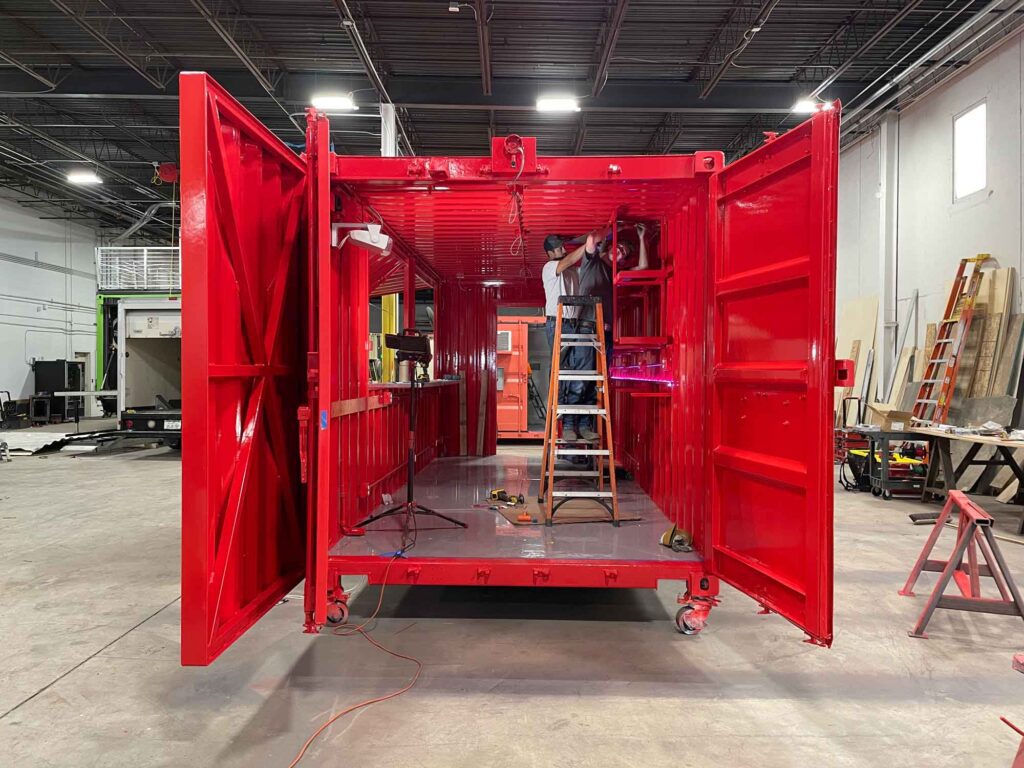
Quality control is also shaped by coordination, not just by inspection. In conventional construction, conflicts between structure, mechanical systems, electrical runs, and interior assemblies often surface during field installation. When coordination issues are discovered late, rework can affect both quality and schedule.
Modular construction pushes more of that coordination upstream. Because modules must be manufactured, transported, and installed within defined dimensional and system constraints, architects, engineers, and fabrication teams usually resolve more of the building logic before production begins. That early coordination can reduce the likelihood of field improvisation and late-stage clashes.
Developers often see the benefit of this approach in projects where repeatability matters. Once the system is coordinated well, the production team can apply that logic consistently across multiple modules or buildings. That is one reason modular is often attractive in rollout programs and multi-building developments.
Factory-Built Quality Control Still Depends on the Right Process
Factory-built construction does not eliminate risk. It changes where risk sits and how it should be managed. Site work, foundations, utilities, delivery logistics, and installation still matter. A poorly coordinated modular project can still create quality issues if design assumptions are weak or if installation is not planned well.
That is why developers should look beyond the phrase factory-built and examine the actual delivery model. They should ask how the project moves from concept design through engineering, production, delivery, and installation. They should look for a process that clearly defines responsibilities and inspection checkpoints, not just marketing claims about speed.
ROXBOX explains this through its structured four-step process, which outlines concept design, architecture and engineering, build, then delivery and installation. For developers, that kind of visible process framing is useful because it shows where quality control responsibilities should be addressed, not just where modules are manufactured.
Where Factory-Built Construction Fits Best for Developers
The strongest case for factory-built construction often appears where quality consistency matters across more than one structure. Multi-building developments, phased commercial projects, hospitality programs, restaurant rollouts, and repeatable building concepts often benefit from controlled production conditions because consistency becomes part of the business case, not just the construction case.
Industry context supports this view. The Modular Building Institute notes that modular construction shifts significant work into controlled factory conditions and can reduce on-site disruption while still meeting the same codes and standards as conventional construction. That does not replace project-specific due diligence, but it reinforces why developers often evaluate modular quality control as part of a broader risk-management strategy.
Conclusion And Next Steps
Developers comparing modular and traditional construction should look closely at how each delivery model manages inspection, material protection, and coordination. Factory-built construction is not a blanket guarantee of better results, but it can create more repeatable conditions for quality assurance when the project and process are aligned well.
For a commercial developer, the right question is not simply whether modular is faster. It is whether the project would benefit from a more controlled production environment, earlier coordination, and a clearer path to consistent execution. That is the kind of evaluation that leads to better project decisions.
Developers assessing commercial modular delivery can also review ROXBOX steel frame modular services to see how the company positions precision fabrication, scalability, and long-term performance for steel frame modular buildings.
Frequently Asked Questions
Contact ROXBOX To Get Started
If you are comparing modular and traditional delivery methods, start by reviewing ROXBOX’s modular construction process to understand how design, engineering, fabrication, and installation are coordinated.For a project-specific discussion about commercial modular quality, phasing, and delivery strategy, contact ROXBOX to request a consultation.
Author's Bio
Anthony Halsch is the Founder & CEO of ROXBOX and a recognized authority in modular construction, steel frame modular buildings, and custom container structures. He writes about commercial modular building strategy, design, and real-world deployment for developers, operators, and project teams.Factory-built construction changes how quality control is managed in commercial projects. By shifting a large share of work into a controlled manufacturing environment, modular construction can improve inspection consistency, reduce weather-related variability, and create more repeatable production workflows than traditional site-built construction.


Steel Frame Modular Retail Rollouts: How National Brands Deploy Locations Faster
TL;DR
Retail brands expanding across multiple markets often struggle with construction timelines and inconsistent site conditions. Steel frame modular buildings allow development teams to deploy retail locations faster by shifting much of the building process into a controlled fabrication environment.
- Modular construction enables repeatable building designs across multiple locations.
- Factory fabrication allows simultaneous site work and building production.
- Controlled production reduces variability between locations in rollout programs.
- Retail development managers can scale expansion strategies more predictably with modular delivery.
Why Retail Rollouts Create Unique Development Challenges
Retail expansion programs operate under different pressures than single-site development projects. National and regional brands often need to deploy multiple locations across different markets within a tight timeline. These rollout programs may involve dozens or even hundreds of stores, each with similar operational requirements but different site conditions.
For retail development managers, the challenge is not only building a single location efficiently. It is replicating that success across multiple markets while maintaining brand consistency and schedule predictability. Traditional construction methods can make this difficult because each project site introduces new variables. Labor availability, weather conditions, permitting timelines, and contractor coordination can all influence how quickly a location opens.
Steel frame modular construction offers a different approach. Instead of building every store from scratch on site, modular construction allows teams to fabricate large portions of the building in a controlled production facility. When the building modules arrive on site, much of the interior work is already complete. This shift in the construction process helps reduce variability and accelerate deployment schedules for multi-location retail expansion.
Repeatable Building Systems Support Scalable Retail Growth
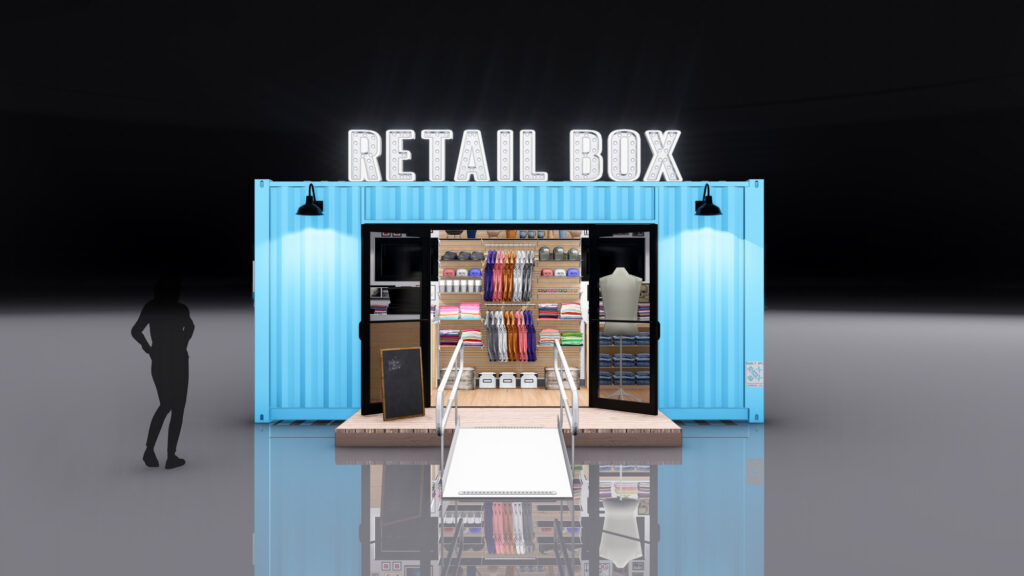
One of the most important advantages of modular construction in retail expansion is repeatability. Retail brands often rely on standardized building layouts that support consistent customer experiences and operational workflows. When a building design is already standardized, modular construction can reinforce that consistency.
Steel frame modular buildings can be engineered as repeatable building systems. Once the design, engineering documentation, and fabrication process are coordinated, the same production workflow can be applied to multiple locations. That repeatability reduces the amount of redesign or field improvisation required for each new site.
For retail development teams, this creates a scalable model. Instead of approaching every project as a completely new construction effort, the rollout program becomes a structured production process. Locations can be deployed more efficiently because design decisions have already been validated during earlier phases of the rollout.
Parallel Construction Improves Rollout Timelines
Another factor that influences retail rollout speed is construction sequencing. In traditional construction, most work happens sequentially on the job site. Site preparation must be completed before structural work begins. Interior construction follows after the building envelope is complete.
Modular construction changes that sequence. While foundations and site infrastructure are being prepared, the building itself can be fabricated in a factory environment. These parallel workflows reduce the overall timeline because fabrication and site preparation happen at the same time rather than one after the other.
The Modular Building Institute notes that modular construction can shorten project timelines because the majority of construction activity occurs indoors while site work progresses simultaneously. For retail brands deploying multiple locations, these time savings can accumulate across the entire rollout program, enabling faster market entry.
Material Protection Is Easier to Manage Indoors
Weather exposure is one of the biggest quality variables in traditional construction. Moisture, temperature swings, and job-site delays can all affect how materials perform during installation. Contractors take steps to protect framing, sheathing, insulation, and finishes, but those measures still depend on timing and field conditions.
Factory-built construction reduces that exposure during major stages of production. Structural and interior work can be completed indoors before the building ever reaches the site. Materials are handled in a more controlled environment, which helps reduce the chance of early-stage moisture exposure or damage from changing site conditions.
For developers, this is not just about neatness or productivity. It is about protecting building components during vulnerable parts of the construction sequence. A controlled production environment can support more consistent outcomes when durability and lifecycle performance are important considerations.
Consistency Across Markets and Locations
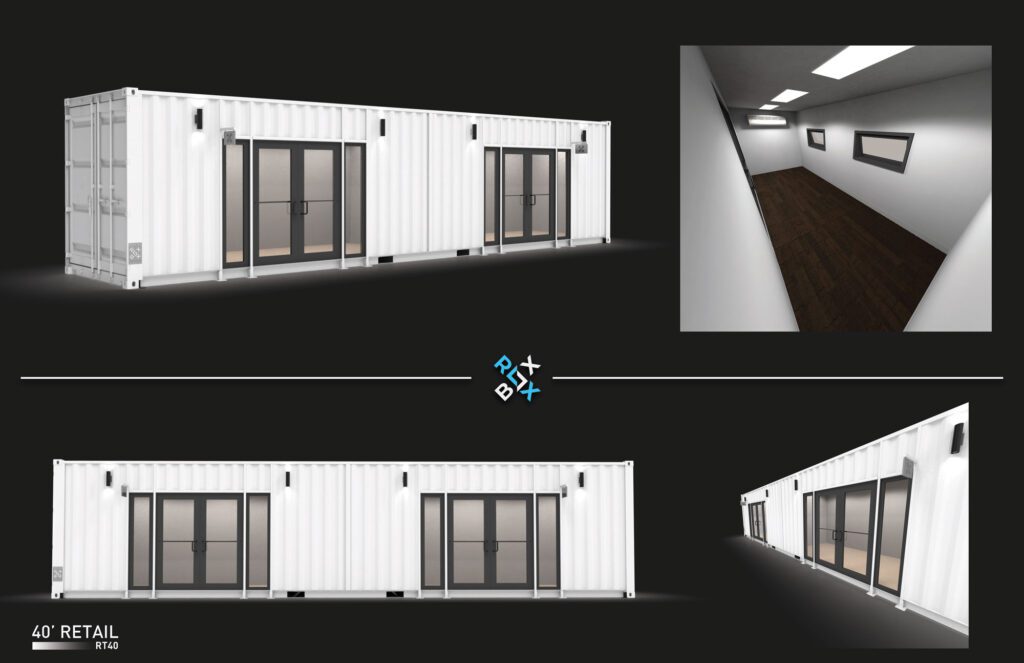
Retail brands place a high value on consistency. Customers expect a recognizable environment whether they visit a location in one city or another. Construction quality and layout consistency therefore play a role in maintaining brand identity.
Factory-based modular fabrication helps support this consistency. When buildings are produced in a controlled manufacturing environment, teams can maintain standardized assembly procedures and quality inspections. Materials are stored indoors, installation steps are documented, and production conditions remain stable from one module to the next.
For rollout programs, this consistency becomes particularly valuable. Each new location benefits from lessons learned during earlier installations. Over time, the production process becomes more refined, allowing development teams to deploy stores with greater efficiency and fewer surprises.
Why Steel Frame Modular Buildings Work Well for Retail
Steel frame modular buildings are particularly well suited to commercial retail applications. Steel structural systems offer durability, flexibility in interior layouts, and compatibility with a wide range of architectural finishes. Retail buildings may require open floor areas, integrated service counters, mechanical systems, and exterior brand elements that must be installed consistently across locations.
Modular steel frame construction allows these elements to be integrated during fabrication. Electrical systems, plumbing, HVAC components, and interior finishes can often be installed before the building modules leave the factory. When modules arrive on site, the focus shifts to installation, utility connections, and final commissioning rather than building the structure piece by piece.
Retail development managers often evaluate modular construction for these reasons. The approach supports repeatable building systems, scalable expansion programs, and faster deployment timelines.
Planning Retail Rollouts With a Modular Partner
Successful modular rollout programs depend on coordination between design teams, engineers, manufacturers, and development managers. Early planning ensures that building layouts, engineering documentation, and fabrication workflows align with the broader expansion strategy.
Retail development teams evaluating modular delivery should review how the project moves from concept design through engineering coordination, fabrication, and installation. A modular partner that manages these phases in an integrated process can help reduce coordination gaps and improve rollout predictability.
For brands deploying multiple locations, the most valuable outcome is often not simply faster construction. It is a clearer development process that allows expansion planning to scale across new markets.
Frequently Asked Questions
Conclusion And Next Steps
Steel frame modular buildings provide a practical framework for retail rollout strategies that prioritize speed, consistency, and scalability. By combining repeatable building systems with off-site fabrication, developers can deploy new locations more efficiently while maintaining brand standards.
For retail development managers, the next step is understanding how modular construction integrates with site selection, engineering coordination, and expansion planning across multiple markets.
Retail development teams can review ROXBOX retail solutions to understand how modular construction supports multi-location retail expansion.
To see how modular projects move from concept design through fabrication and installation, review ROXBOX’s modular construction process.
Developers evaluating building systems for rollout programs may also review ROXBOX steel frame modular services for more detail on commercial modular building capabilities.
For additional industry context on modular construction timelines and rollout efficiency, see Modular Building Institute overview of modular construction. For project-specific rollout planning and modular deployment consultation, contact ROXBOX.
Author's Bio
Anthony Halsch is the Founder & CEO of ROXBOX and a recognized authority in modular construction, steel frame modular buildings, and custom container structures. He writes about commercial modular building strategy, design, and real-world deployment for developers, operators, and project teams.Factory-built construction changes how quality control is managed in commercial projects. By shifting a large share of work into a controlled manufacturing environment, modular construction can improve inspection consistency, reduce weather-related variability, and create more repeatable production workflows than traditional site-built construction.