

TL;DR
Crane day is one of the most visible moments in a modular project, but it only goes well when truck order, staging, access, and site readiness are already aligned. Good modular crane planning is less about the lift itself and more about the sequence around it.
-
- Crane day starts with site prep, not with the crane.
- Truck order and set order need to match.
- Staging space can drive install speed.
- Strong planning protects schedule certainty.
Why Crane Day Gets So Much Attention
In traditional construction, progress is spread across months of field activity. In modular construction, the install phase is more concentrated. That makes crane day feel dramatic, and it is. Modules arrive, the structure takes shape quickly, and the project becomes visible in a new way. But the lift itself is only one part of the work.
ROXBOX places delivery and installation inside its four-step process, right after concept design, architecture and engineering, and factory build. That sequencing matters because install day works best when the project has already solved for route planning, design lock, site readiness, and field coordination.
Crane Planning Starts With The Set Sequence
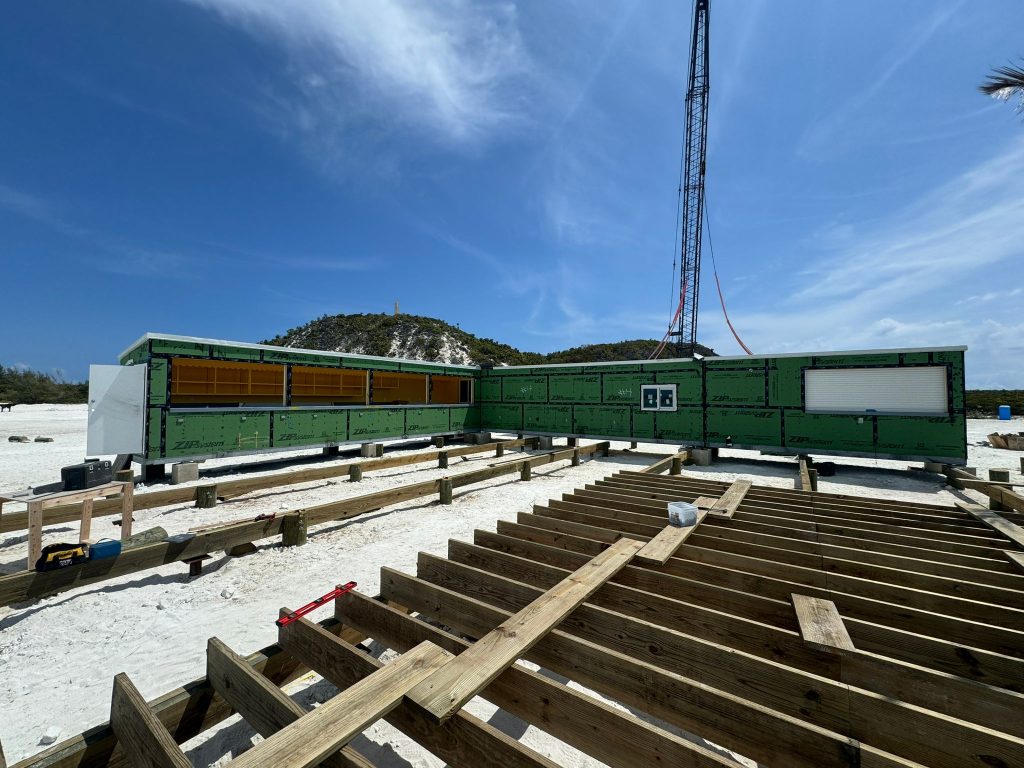
The first question is not which crane shows up. It is what order the modules need to be placed in. Once that is clear, the team can work backward into truck timing, laydown areas, crane position, and crew movement. If truck order and set order do not match, install day slows down fast.
That is especially true on tighter sites, where there may be little room to reshuffle trailers once deliveries begin. Developers should think of crane planning as sequence planning. The crane is the tool. The sequence is what protects the schedule.
Site Logistics Matter More Than Many Teams Expect
A modular install can still stall on a well-built project if the site is not ready to receive it. Access roads, ground conditions, entry width, utility conflicts, staging zones, and pedestrian or vehicle traffic all affect the pace of the day. Crane planning is tied directly to site logistics because the crane can only work as efficiently as the site allows.
For developers, that means the install plan should account for more than the footprint of the building. It should also consider truck turning paths, backup space, temporary closures, weather exposure, and how the site will stay safe while heavy lifts are underway.
What Teams Should Lock In Before Install Day
The smoother installs usually have a short list of decisions resolved in advance.
-
- Final module set order and matching truck arrival order.
- Crane location, swing path, and exclusion zones.
- Ground conditions and temporary support or matting needs.
- Laydown or staging space for waiting trailers and crews.
- Communication plan between crane operator, superintendent, rigging crew, and delivery teams.
These are not minor details. They are what separate a fast, controlled set day from a long day of field improvisation.
A Few ROXBOX Projects Make This Easier To Picture
Large modular installs are easier to understand when viewed through real project types rather than abstract logistics language.
The Denver Zoo concession stand is a useful reminder that steel frame modular work is often shaped by site-specific performance needs like snow and wind load, which influence both design and field execution.
A project like Coconut Club shows a different kind of install pressure. Hospitality environments demand a polished guest-facing result, which raises the stakes for clean coordination between delivery, placement, and final site work.
On the container side, Bradley’s Kitchen is a good example of why location still matters. A mobile kitchen built for Winter Park Resort points to the extra care needed when weather, terrain, or active operations can narrow the install window.
The point is not that every crane day looks the same. It is that each install day should reflect the building type, the site, and the operating environment.
Crane Day Should Be Planned Backward
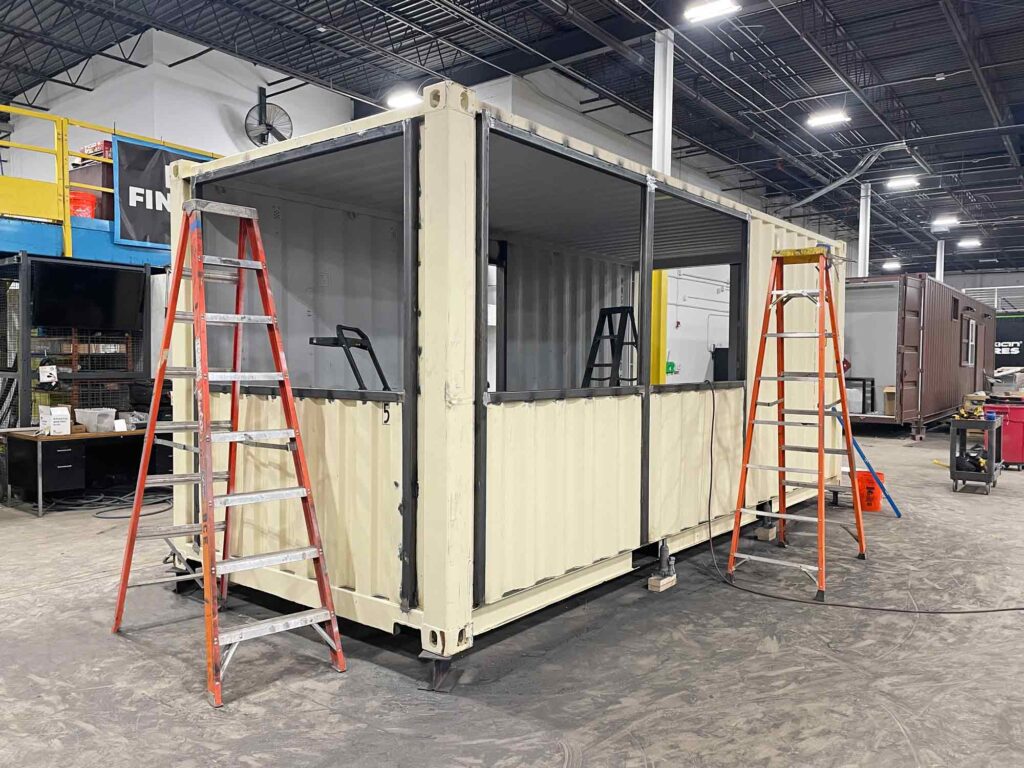
One of the simplest ways to strengthen modular crane planning is to plan backward from the set day. Start with where the crane will sit, what has to be clear, what order modules must be placed in, and how long each movement is expected to take. Then align the truck sequence, site prep milestones, and staffing around that target condition.
This approach also helps teams catch weak points early. If the crane needs a cleaner swing path, the site may need a different staging layout. If the first module arriving is actually the third one needed in sequence, truck timing has to change. Working backward surfaces those conflicts before the field crew has to solve them under pressure.
How ROXBOX Fits
ROXBOX designs, engineers, and builds modular construction solutions that include steel frame modular buildings and custom container structures. For developers, that integrated model can make crane-day planning clearer because delivery, installation, and construction management can be connected to the broader project path instead of treated as separate handoffs. Teams can review how ROXBOX structures project phases, explore steel frame modular capabilities, or contact ROXBOX to talk through set sequence, site readiness, and install-day planning for a specific project.
Frequently Asked Questions
Author’s Bio
Anthony Halsch is the Founder & CEO of ROXBOX and a recognized authority in modular construction, steel frame modular buildings, and custom container structures. He writes about commercial modular building strategy, design, and real-world deployment for developers, operators, and project teams.Factory-built construction changes how quality control is managed in commercial projects. By shifting a large share of work into a controlled manufacturing environment, modular construction can improve inspection consistency, reduce weather-related variability, and create more repeatable production workflows than traditional site-built construction.