

Steel frame modular construction offers an ideal building solution for large-scale developers and organizations that face growing demands for speed, cost-efficiency, and scalability across multiple developments. This innovative construction method provides scalable building solutions and significantly reduces construction timelines, making it a top choice for large enterprises looking to scale quickly and efficiently.
What Is Steel Frame Modular Building Construction?
Steel frame modular construction is a building method in which individual units, or “modules,” are fabricated off-site in a controlled environment and then assembled on-site to form a complete structure. Modular construction relies on a streamlined, assembly-line approach. Each module is engineered to exact specs, constructed with steel, and transported to the final site for installation.
Although modular building techniques have been around for decades, steel frame modular construction has gained significant traction in sectors demanding speed, scalability, and long-term value. Today, forward-thinking companies and organizations across the country are embracing steel modular systems as a smarter way to build.
Is Modular Steel Frame Construction the Same as Prefab Steel Construction?
Modular steel construction and prefab steel construction are not the same. While the terms are often used interchangeably and are closely related, there are key differences between the two.
Prefab (prefabricated) construction is a broad category that refers to any building component made off-site. This could include wall panels, roof trusses, or structural columns used to erect buildings that are sometimes pre-engineered.
Modular construction is a specific type of prefab where entire volumetric modules are built off-site and then joined together on location. Simply put, all modular constructions are prefab, but not all prefab construction is modular.

Is Modular Construction Cheaper Than Stick-Built?
Modular construction is often more cost-effective than traditional stick-built methods, but the savings depend on several factors.
Modules are built in a controlled factory environment, which results in lower labor costs and shorter construction timelines. This leads to customer savings from reduced overhead, construction financing costs, and quicker occupancy, key drivers of overall savings and ROI.
In regions with high labor costs or frequent weather delays, the cost advantages are more pronounced. In areas where labor and land are already affordable, the difference may be smaller.
What Is the Modular Construction Process?
Modular construction is designed so that much of the building process takes place off-site in a controlled environment. By the time modules arrive on-site, much of the site work is complete, enabling large-scale projects to move forward much faster than with traditional building methods. Here’s how the steel frame modular construction process works from concept to completion.
Concept Design to Engineering
A modular building design is developed based on the project’s overall goals, use case, and site requirements. Many factors contribute to creating a well thought out plan for modular construction. Not all building types are optimal for modular construction so this phase is critical to developing a cohesive plan for delivering success. During this phase, clients needs are blended with accomplishing the strategy of modular building. Every architectural and engineered detail has to meet local building codes and industry standards as well as the strategy for off-site factory construction.
Off-Site Fabrication
Modules are built in a controlled factory environment using lean manufacturing strategies to gain the most efficiency out of this build type. Steel frames and precision construction techniques allow for a very high level of quality and consistency when the modules arrive to the site location for install. Interiors are factory-installed, including elements such as insulation, wiring, plumbing, and finishes, as specified by the project, leaving very little work to be completed on-site.
On-Site Assembly
Once the modules are transported to the project site, they are placed on prepared foundations and connected to form a complete structure. Installation crews spend minimal time closing up the structures and connecting the modules to each other as well as on-site utilities. This phase is where modular construction shines over conventional builds, enabling buildings to be erected in days rather than weeks.
Quality Control Checkpoints
Throughout the factory fabrication and construction process, modules go through multiple quality assurance checks to ensure structural integrity, safety, consistency with design standards, and code compliance Modular buildings are typically inspected by a 3rd party firm or a State Modular Program to ensure each structure meets the building codes of the site where they are to be delivered.
What Are the Types of Steel Frame Modular Construction?
Steel frame modular construction typically falls into two main categories: permanent modular construction (PMC) and relocatable modular buildings. Each serves different needs based on how long the structure will remain in place and how it will be used.
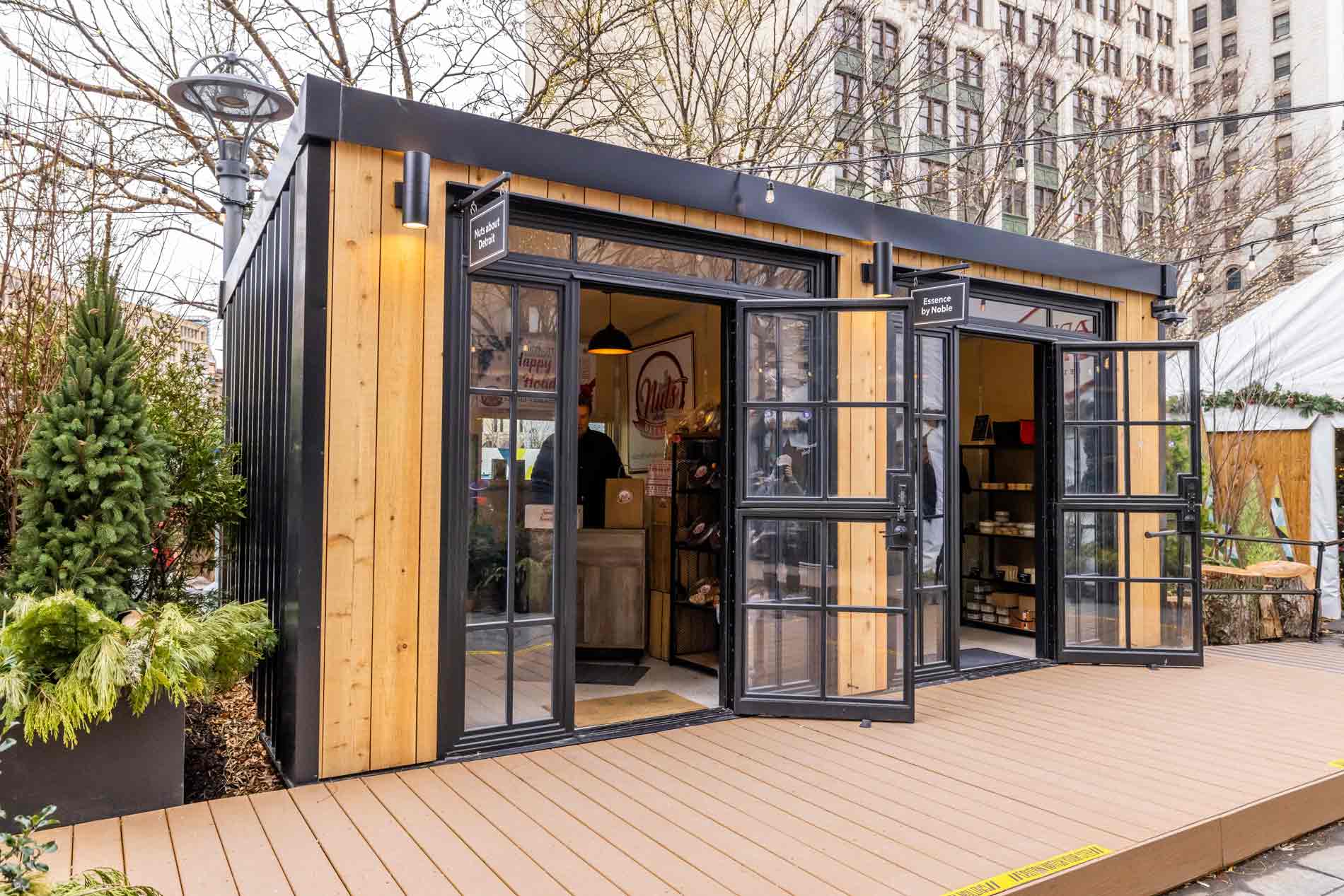
ROXBOX offers a wide range of pre-designed models to meet the complex needs of large-scale developments, including modular bathrooms, bars, retail units, and even drive-thrus.
Permanent Modular Construction (PMC)
Permanent modular construction is designed for long-term or permanent use. These structures are built to the same codes and standards as traditional site-built buildings and are intended to stay in place indefinitely. PMC offers the benefits of modular efficiency combined with the durability and performance of conventional construction.
PMC buildings are ideal for:
- Office buildings
- Multi-family housing
- Schools and universities
- Healthcare facilities
- Quick Service Restaurants and commercial kitchens
Relocatable Modular Buildings
Relocatable buildings are intended for temporary or semi-permanent use. These structures are built off-site and designed to be moved, reused, or reconfigured as needed. Relocatable Modulars are especially useful for large organizations needing flexibility, speed, or temporary space.
Relocatable Modulars are ideal for:
- Pop-up retail or food and beverage spaces
- Medical clinics or emergency facilities
- Event spaces
- Job site offices
- Training centers or mobile classrooms
What Are the Advantages of Modular Steel Buildings?
There are several compelling reasons why companies are turning to modular building. Here are just a few of those reasons:
Faster Construction Timeline
Since modules are built off-site while site work is happening simultaneously, construction time is cut significantly. This allows large-scale projects to become operational faster, which is a major advantage for enterprises managing multiple developments.
Cost Savings
Lower labor, fewer delays, and reduced waste lead to more predictable budgets and lower total project costs. Faster builds lead to quicker occupancy, reducing overhead costs and enabling earlier revenue generation.
Durability and Strength
Steel offers superior structural integrity compared to wood. It resists rot, pests, and fire, making it ideal for long-term performance and lower maintenance costs.
Sustainability
Modular building is inherently more sustainable. Off-site fabrication reduces waste and emissions, and steel is recyclable, contributing to greener, more efficient construction overall.
Design Flexibility
From sleek modern aesthetics to industrial chic, steel modular structures can be designed to match any brand and function. Expandable and adaptable, steel modules are perfect for evolving needs.
Incorporate Steel Frame Modular Construction Into Future Large-Scale Projects
Developers need building methods that prioritize speed, scalability, and cost-efficiency. Steel frame modular construction provides a fast, reliable solution that helps meet tight deadlines and accommodate growth.
At ROXBOX, we don’t just build structures; we create scalable, future-ready platforms that support the expansive growth of large enterprises and developers. Through innovative design, detailed engineering, and a focus on quality construction, ROXBOX delivers premium modular solutions that meet the unique demands of our clients.
Explore our project gallery to see how steel modular construction can elevate any large-scale development.