

How Modular Construction Can Cut Building Time by 50% or More
The ability to reduce time to market is one of the biggest benefits of modular construction. And this advantage arrives at the right time for developers, who frequently need to balance increased demand for units with rising project costs. Is modular construction the answer your firm has been looking for? For many businesses, it has been.
What Is Modular Construction?
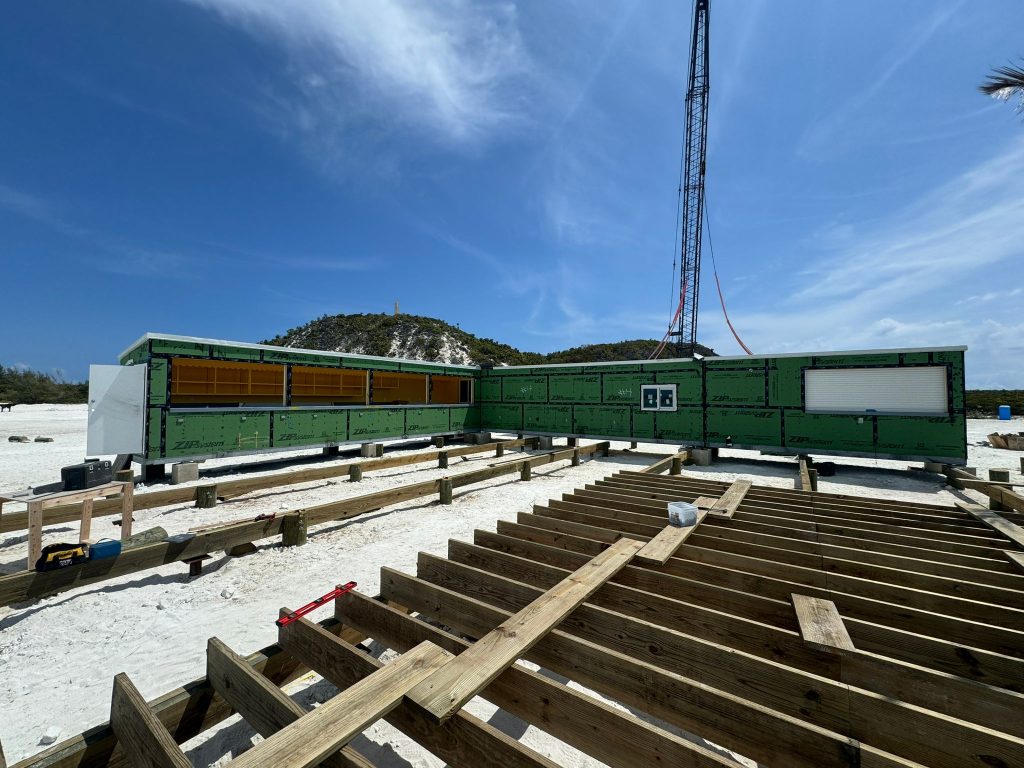
Modular construction is a building method that involves shifting most of the development process off-site. Instead of framing building components, welding beams, or pouring concrete pillars at the worksite, steel modular construction handles everything in a controlled factory setting:
- Project planning and coordination with developers
- Engineering and design
- State and county permits
- Fabrication and assembly
- Transportation and logistics
Building modules generally follow a standardized format, though developers have the freedom to determine the specifications. Unlike prefab building projects, modular construction doesn’t require assembling individual systems (insulation, etc.) at the project site. By the time modules leave the factory floor, they’re fully finished and ready to deploy.
How Much Time Can Modular Construction Save Developers?
The shift from on-site development to off-site engineering can cut project times by 50% or more. In other words, if your development cycle is 36 weeks with traditional construction, following a modular building process could trim that to 18 weeks.
But developers make enormous financial decisions based on hard data, not hype. Do the numbers reflect such significant time savings with modular construction in real-world scenarios?
Without a doubt, and it’s not just a few professionals who are saying so. In 2022, the Los Angeles Business Journal charted a rising number of projects and developers in California using modular:
- Project Management Advisors experienced consistent time savings of 20% to 30%.
- Studio One Eleven reduced building times by four or five months.
- Architects Orange noticed reductions of up to 50%.
- C.W. Driver Cos. also noted cost savings of about 10% to 15%, connected to labor costs and the materials supply chain.
Consulting firm McKinsey & Company parsed the time savings of modular construction across different project phases. The results showed significantly faster completion of the manufacturing and installation phases. On average, projects took from 12 to 15 months instead of 20 to 24 months.
How Does the Modular Construction Process Reduce Building Times?
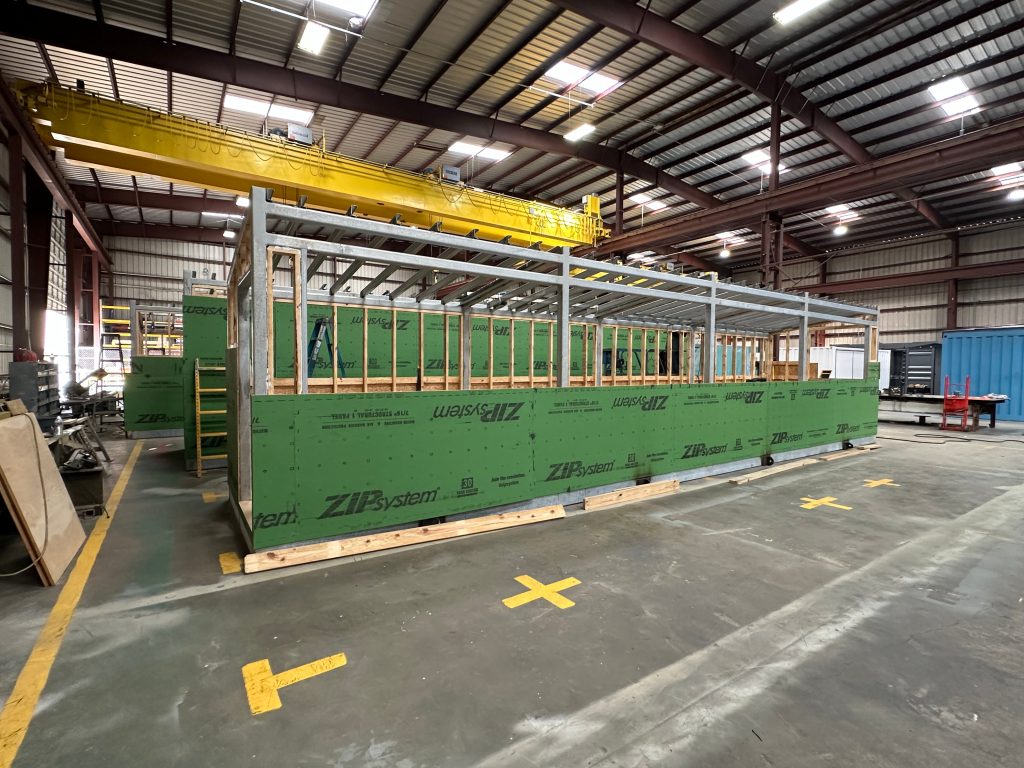
Nearly every aspect of modular projects delivers a reduction in construction time for commercial buildings compared to traditional construction methods.
1. Streamlined Design and Engineering
Modular construction starts with the design process. Full-service firms provide in-depth design services. Engineers work closely with developers to understand project objectives, site challenges, and local needs, including budget concerns. This allows the team to create precise 3D models of the modules.
This approach compresses the normal design timeline. Developer feedback, observations, and modifications all happen before fabrication begins, eliminating disruptions. With on-site builds, developers often have to plan for several months of redesign and delivery overrun, but modular construction doesn’t have the same problem.
2. Standardized Development
There is a reason modern automakers use standardized parts across models. It speeds up production massively compared to designing bespoke systems every time. Operators can experience similar savings by opting for off-site engineering and a standardized building process.
The pros of modular construction are especially noticeable for mid-tier and large-scale developers. Once your firm has several “design playbooks” to choose from, you can use the same building blocks for a variety of projects, from retail stores to quick-service restaurants. Even when variations are needed, having an approved starting point gets a good deal of the work out of the way.
3. Faster Permit Approval
In many areas, it takes less time to get approval for modular buildings, especially when you partner with a firm that has a good reputation. Some developers have seen approvals that normally take four to six weeks cut down to just 10 to 14 days.
4. Parallel Construction
Finished modules still need to be installed on a concrete slab, so site prep is unavoidable. That said, a key difference is that fabrication can happen simultaneously. The factory construction team can build in parallel, often cutting several months off the project.
5. Coordinated Fabrication
High-quality modular building firms can also shorten the amount of time it takes for the fabrication process itself. Here are a few reasons why:
- Skilled professionals who have the required certifications for projects at a national level
- Years or decades of expertise
- Consistent development processes across dozens or hundreds of projects
- One unified team instead of dozens of contractors and subcontractors
- Careful quality oversight, management, and accountability
Put simply, a factory setting is ideal for delivering repeatable results that meet project specs, on time and on budget. There are fewer risks of the communication issues, misunderstandings, shoddy work, slow progress, or mistakes that plague many construction sites.
6. Indoor Work Environment
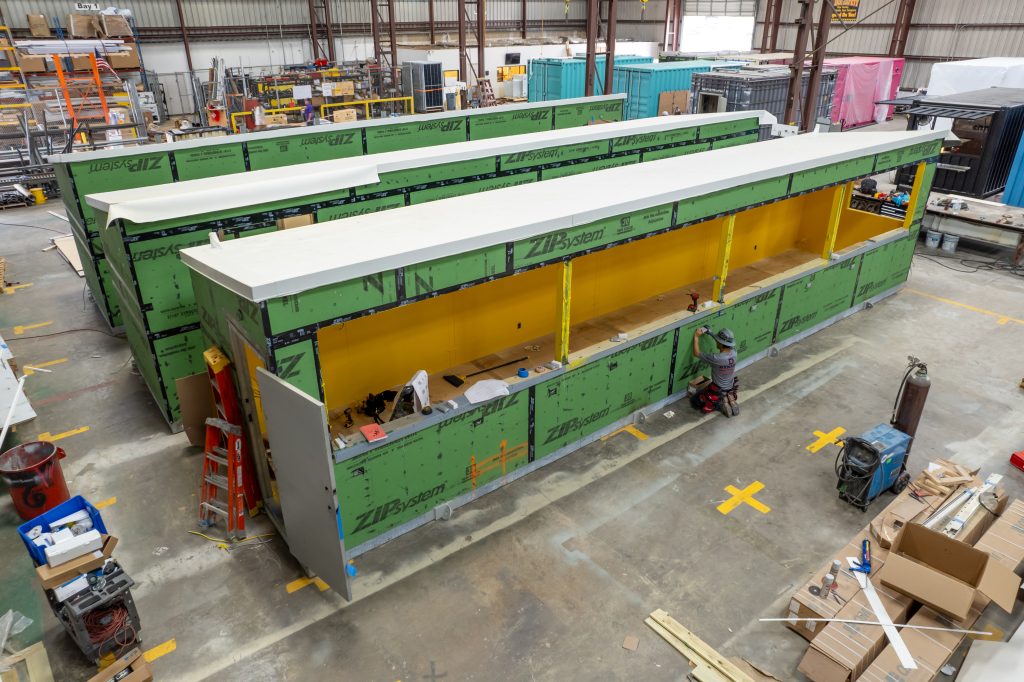
Off-site construction can also provide longer building windows and reduced delays for commercial developers. The differences are especially noticeable in areas with harsh winter weather or frequent rainfall. Not only does indoor construction allow for better control over product quality, but it also means that you don’t need to bring projects to a halt for months at a time.
7. Shorter Delivery Times
Modular construction does require careful planning for logistics, especially if the factory is far from the build site. That said, even this building phase tends to save developers time and contributes to sustainable modular construction.
Transportation happens when modules are complete. Compare that to the dozens of deliveries of building materials necessary for traditional projects that can hold contractors back when supply chain issues arise.
8. Minimal Installation Requirements
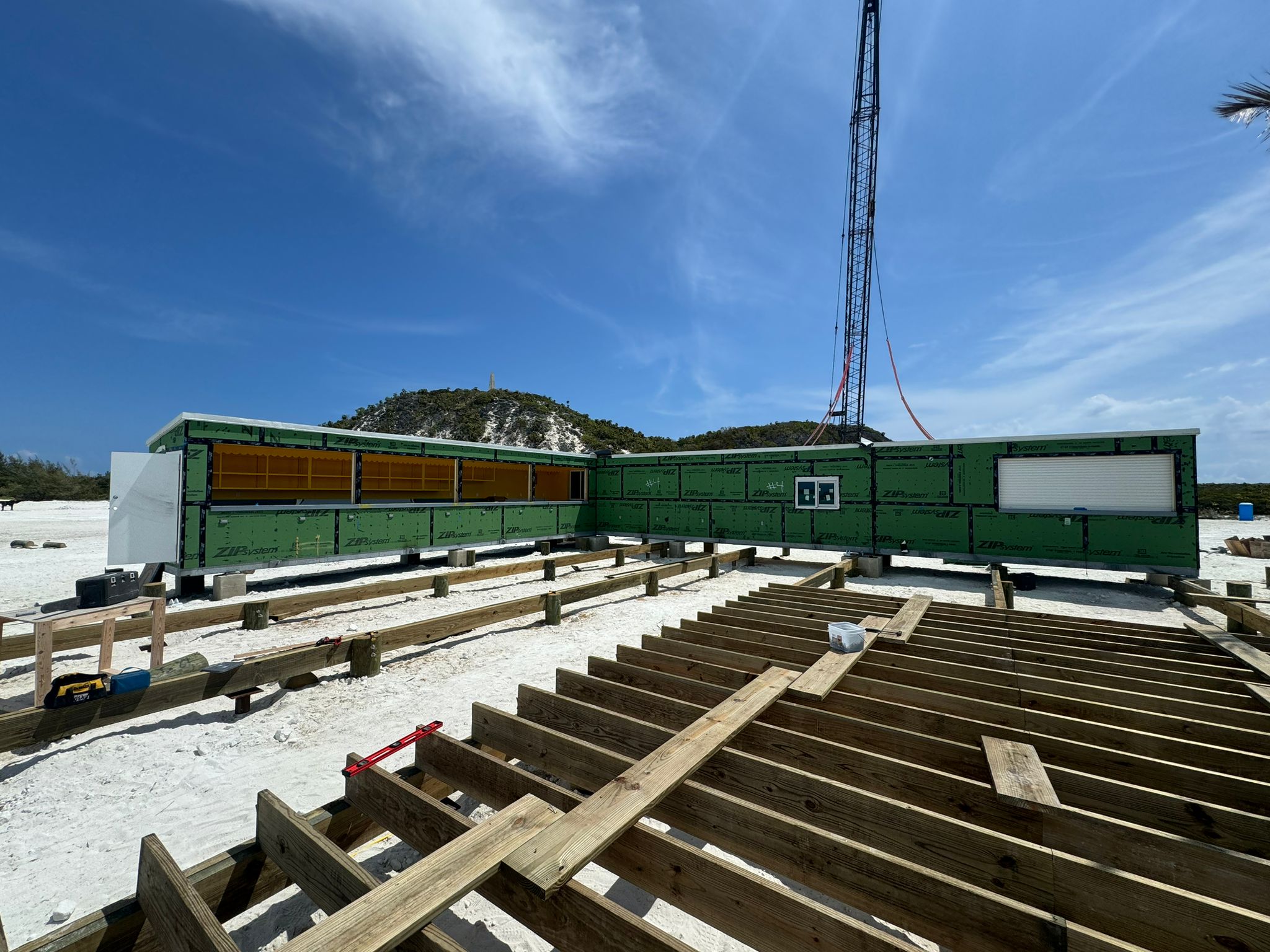
Modular projects can even save you time compared to prefab construction. Modules often have a fully finished interior and exterior envelope, including flooring, insulation, plumbing, and electrical components. After a crane positions modules in place, only minimal work is necessary to complete the installation.
Is Modular Construction Right for Your Project?
Modular construction isn’t the answer for every project, but at the very least, it should be part of every developer’s toolkit. The time savings are well-documented, solving many of the issues related to traditional construction cost-effectively.
At Roxbox, we have decades of expertise in steel modular building projects, including engineering, fabrication, logistics, and installation around the country. Discover the benefits of expert modular construction services. Request a quote today.
