

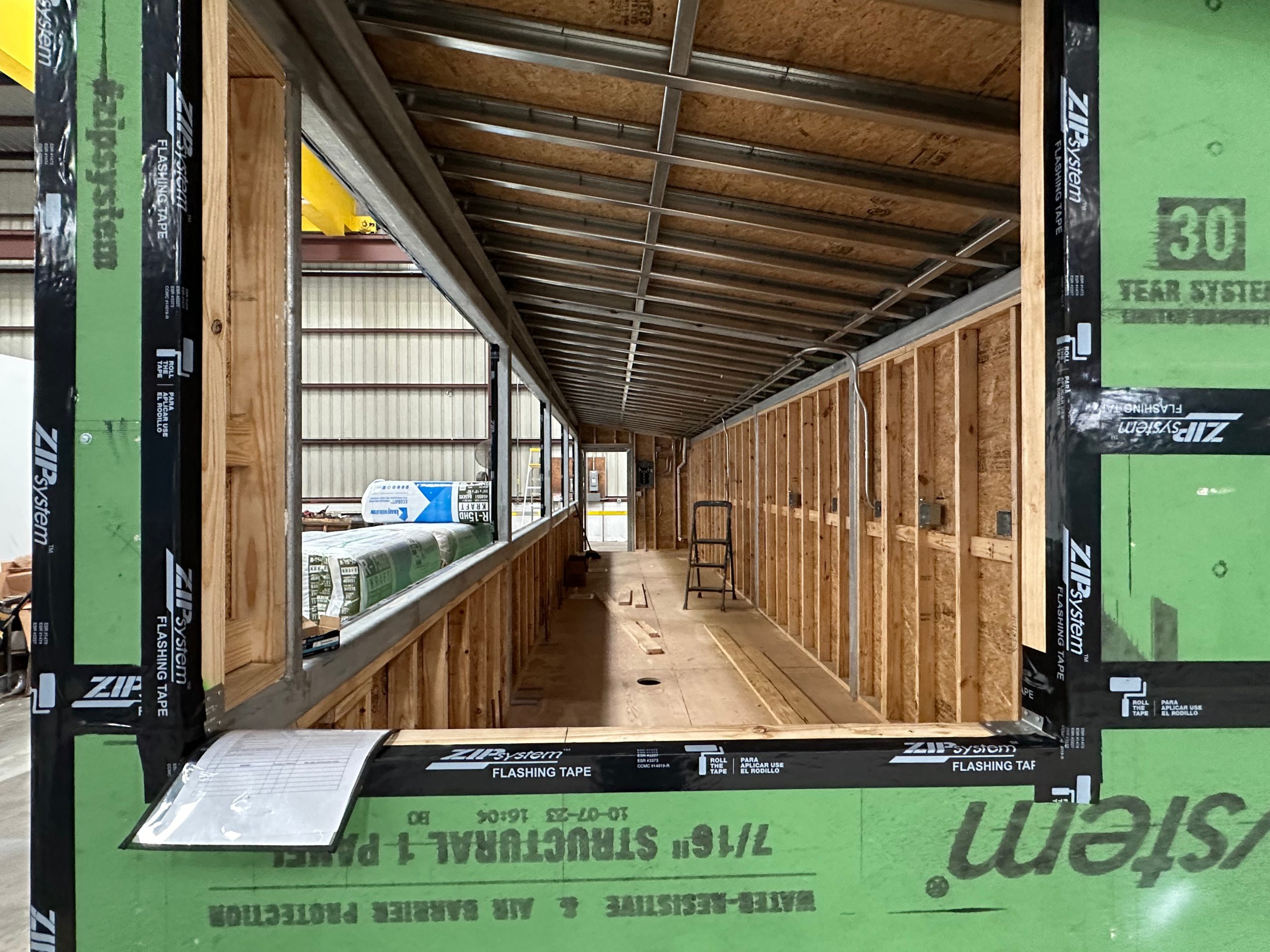
How Sustainable Is Modular Construction?
Green construction projects are becoming more popular with developers in the United States, with a market of over $210 billion in 2025 and an annual growth rate of more than 10%. Not only do American homebuyers care about eco-friendly building practices, but energy-efficient and sustainable modular construction is also attractive to commercial and industrial businesses.
Is Modular Construction Sustainable?

Many trade journals and news organizations praise steel modular construction as revolutionizing the construction industry in favor of environmentally friendly goals. Modular buildings can be significantly more sustainable than traditional construction projects. Of course, to achieve your sustainability targets, it’s necessary to choose the right manufacturer, materials, and project design.
What Does Sustainable Modular Construction Mean?
Some critics argue that modular buildings aren’t truly sustainable because they use synthetic materials such as insulating foam, thermal-reflective coatings for energy efficiency, and steel structural components. According to this definition, only fully renewable materials would be considered sustainable, like wood, bamboo, or plant-based fibers. But these materials aren’t feasible or desirable for most commercial construction projects in North America.
When talking about sustainability in building projects, industry leaders often mean that:
- The manufacturing process is energy efficient and avoids wasteful water use.
- The building uses recycled or reused materials and, where possible, renewables.
- Building systems are designed to reduce heating and cooling costs.
- The builder uses high-quality materials that last a long time.
- Materials that are toxic or harmful to the environment are avoided.
- The project supports local wildlife instead of damaging surrounding habitats, sometimes including green roofing, gardens, and other natural spaces.
So even though modular construction isn’t completely renewable, it is sustainable when you choose a manufacturer with eco-friendly practices.
Why Are Modular Buildings Sustainable?
The traditional construction process is notoriously not eco-friendly. Commercial construction typically requires months of work and a massive amount of electricity for worksites and equipment. Long-term heavy machinery usage also releases high carbon emissions at the site.
Sustainable modular construction has the power to transform the old way of doing things for residential, commercial, and industrial projects. Experts estimate that a prefabricated approach can reduce carbon emissions by over 20%.
1. Recycled Materials
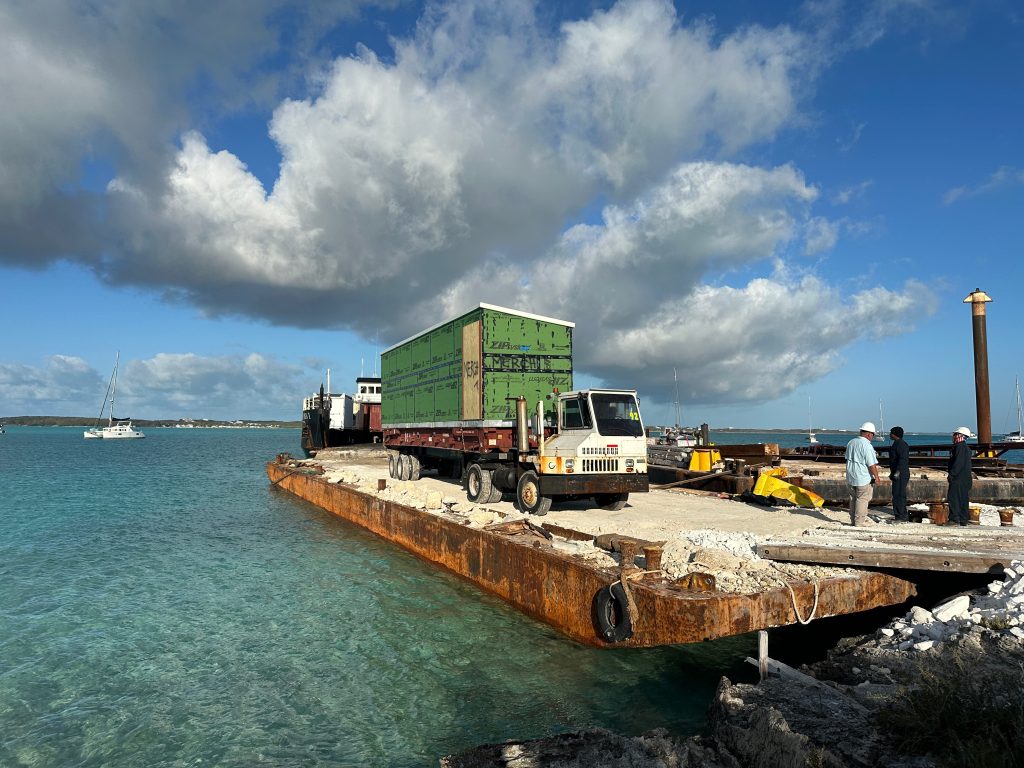
Many modular buildings use recycled steel, aluminum, and iron. The recycling process uses much less energy than new production, cutting total usage by about 75% for steel and 90% for aluminum. Other recyclable building materials include concrete, rubber, and cellulose fibers.
2. Movable Structures
In the past, when organizations needed a short-term building, developers often built a temporary structure. This was the case for FEMA operations, music festivals, fairs, and similar events. These structures used inexpensive wood beams and thin metal panels. At the end of the event, the structure would be torn down and disposed of.
Modular construction represents a change that’s better for the environment, for event clients, and for developers. Temporary modular structures use high-quality materials that are designed to be assembled and disassembled quickly. These buildings can last decades with proper care.
3. Repurposed Structures
Another unique approach to sustainable building is repurposing existing materials for new construction sites. For example, instead of leaving shipping containers to rust, it’s possible to turn them into attractive and fully functional commercial buildings:
- Concession stands for arenas
- Pop-up food stalls and mobile kitchens for events
- Retail stores, shops, and shopping centers
- Coffee shops, bars, and beachfront entertainment venues
- Production studios and centralized work hubs
Some developers combine multiple containers to create multi-story structures that are cost-effective, sustainable, and faster to build than conventional commercial buildings.
4. Reduced Construction Waste
It’s no secret that construction sites can get messy. Traditional construction projects create a large volume of waste, such as leftover drywall, plywood, hardened concrete, wiring, plastic pipes, insulation, and roofing scraps.
According to EPA estimates, construction and demolition generate approximately 600 million tons of waste materials a year. More than 140 million tons go directly to landfills.
Why is modular construction different? First, because buildings are precisely engineered to spec. A standardized assembly process reduces the amount of scrap generated.
Second, excess materials can be used for other modules instead of being discarded. In the long run, this means lower consumption of raw building materials and reduced strain on natural resources.
5. Energy-Efficient Building Processes
Because steel modular construction happens in a factory environment, productivity and efficiency are prioritized. Sustainable manufacturers have the process down to a science. Instead of needing to use small, energy-intensive tools, manufacturing teams have access to precision machines for time-saving cutting and forming.
Some experts estimate that sustainable modular construction can reduce a project’s energy usage by over 60%. Factories can prioritize energy-efficient systems, whereas construction site energy usage depends on the practices of dozens of subcontractors.
6. Shorter Construction Times
Even modular buildings require site preparation and assembly. But because a modular approach can reduce overall project times by a staggering 50%, significantly less energy and water are necessary.
There are also fewer emissions from work vehicles and heavy machinery. Depending on the developer’s method of site prep, it’s possible to keep disruptions to local flora and fauna to a minimum.
7. Reduced Carbon Emissions

One aspect of modular building sustainability that often goes overlooked is carbon emissions from heavy vehicle usage. A few trips to deliver finished modules to the worksite is much more eco-friendly than the endless deliveries of individual building materials (steel bars, roofing materials, sheetrock, etc.) with traditional development projects.
8. Energy-Efficient Modules
Finally, the precise design of sustainable modular buildings delivers tight envelopes that are fully insulated. When combined with high-quality windows and high-efficiency heating and cooling systems, the final result can reduce electricity costs significantly for building owners.
Should You Choose Sustainable Modular Construction?
Sustainability is a valuable selling point in many real estate development markets. You can also think of it as a “bonus” benefit. For residential and commercial developers, being able to reduce delivery timelines by as much as 50% and cut labor costs is massive. Further, developers who lease commercial spaces have major incentives to reduce long-term energy usage.
Put simply, sustainable modular construction is good for developers, good for clients, and good for the environment. At Roxbox, our experts in modular construction services can provide sustainable solutions for your project. Request a quote to see all customization options today.


10 Commercial Building Construction Types and When They Work Best
One of the earliest decisions commercial developers must make is which construction method to use. Different types of commercial building construction offer important advantages in terms of project delivery times, scale, and costs. Discover the tradeoffs of various traditional and modern building techniques for new construction and commercial build-outs.
What Are the Main Commercial Building Construction Types?

One of the biggest differences between commercial construction methods comes down to a single factor: on-site versus off-site. Where construction happens has a major impact on labor costs and project speed.
1. Concrete Construction
Concrete is a high-quality building material that offers outstanding strength, stability, moisture resistance, and chemical resistance. These qualities make concrete a popular choice for industrial worksites.
Concrete also provides significant fire resistance, electrical resistance, and vibration resistance. It can be a good investment for new commercial building construction in data center projects, though deployment takes significantly longer.
Key downsides of concrete are its labor-intensive processes and vulnerability to weather conditions. Crew mistakes can introduce critical defects, and severe weather can add unexpected delays.
2. Steel Frame Construction
Steel frame buildings help operators who need performance and durability but also want a shorter development cycle. Steel is fireproof and highly resistant to moisture and pests, so structures last for ages with minimal maintenance.
Steel is the material of choice for rapid construction, mid-size projects, and high-rises:
- Office buildings
- Multi-family housing
- Shopping centers and plazas
- Big box stores
- Manufacturing facilities and warehouses
- Luxury apartments and skyscrapers
Steel technically weighs more than concrete, but its increased strength cuts down on the total mass. The size and gauge of columns and beams depend on project specs.
3. Wood Frame Construction
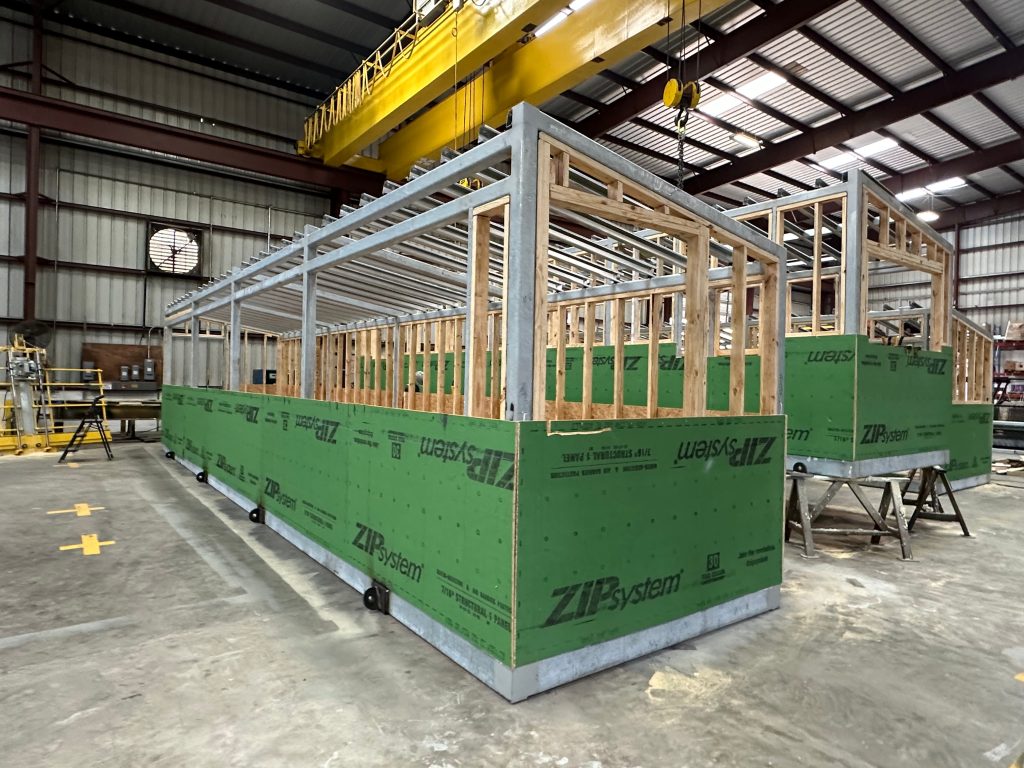
Wood is lightweight and readily available. Wood frames are more popular in residential construction, but some operators also compare steel vs. wood framing for short-term or temporary commercial building projects.
Unfortunately, wood has most of the vulnerabilities that commercial metal building construction avoids, being prone to moisture damage, freeze-thaw cycles, pests, and especially to fire. As wood prices rise, the potential benefits aren’t worth the drawbacks for many developers.
4. Masonry Construction
In commercial construction, masonry building projects usually involve concrete blocks, brick, or stone. Sometimes, the objective is to have the durability and fire resistance of concrete without a simpler installation process.
Other times, developers want a luxurious aesthetic for high-profile buildings. In either case, this option tends to carry a high labor cost.
Curtain walls are a cost-effective style alternative for many types of commercial buildings. Lightweight facades of metal and glass add elegance and uniqueness without the hefty price tag.
5. Prefab Construction and PEMB
Prefab projects and pre-engineered metal buildings bring assembly-line design principles to the world of commercial construction. By following a repeatable design process, developers can lower total project costs, reduce build times, and increase output.
With PEMB, most components (except the slab and interior finishings) are created in a factory and delivered to the site. On-site contractors assemble the frame, wall panels, roofing, plumbing, and other elements.
Structural insulated panel construction is a related option that ships building panels with a foam core. This cost-effective and energy-efficient option works well for commercial storage, retail, and hospitality applications, but it has size limits. Developers also have to pay attention to local fire regulations.
6. Modular Construction
Modular buildings also involve off-site design and construction, but the difference is that entire sections are completed in the factory. Finished modules are shipped to the construction site and maneuvered into place with a crane.
Each module is “ready to deploy,” with integrated insulation, plumbing, electrical, and even finished interior surfaces. Developers can use one or multiple modules to quickly bring projects to life.
Steel modular construction can follow a pre-engineered plan or adhere to custom specifications for each unit. This process scales easily, making it ideal for quick-service restaurants and franchised locations.
7. Poured-in-Place
The “original” type of commercial building construction, poured-in-place or cast-in-place construction still has its uses. This fully on-site option involves building forms for footings, slabs, pillars, and other structural components. After crews reinforce the frames with steel rebar or mesh, they pour concrete in stages, finishing it and waiting for it to cure.
The main benefit of this traditional construction process is that it allows for unparalleled customization, including distinctive architectural details, aesthetic accents, and higher security ratings.
8. Shell
Shell construction takes a minimalist approach to building projects. The point is to create the building’s outer envelope and slab while leaving the interior unfinished.
Developers sometimes choose shell construction for multi-unit commercial building projects, like shopping plazas with restaurants or coffee shops. This option minimizes upfront building costs and gives tenants more design freedom.
9. Tilt-Up or Tilt-Slab
Tilt-up is a concrete construction method with on-site pours but a prefab mindset. Teams use horizontal forms to create reinforced wall slabs quickly. Once cured, the concrete panels are hoisted into place with a crane. This saves time compared to cast-in-place methods.
10. ICF
Insulating concrete forms enhance the insulating properties of poured concrete. ICF foam panels or blocks outline the building profile and remain in place after the concrete hardens, acting as a vapor barrier and insulator. ICF has similar downsides to traditional concrete construction.
Which Construction Method Fits Different Types of Commercial Buildings the Best?

In total, there are more than a dozen options for commercial construction, and more on the way, like 3D printing. Traditional construction methods can be a good choice when a long development timeline is necessary to meet complex customer specifications or regulatory guidelines. Healthcare projects and airport expansions are some examples.
Off-site engineering offers countless benefits for small-to-medium development. The factory environment promotes superior quality, consistency, speed, and precision, not to mention significant cost savings. Interest in commercial steel building construction is growing around the country, both for temporary and permanent structures.
What Types of Commercial Building Construction Should You Choose?
The differences between each type of building construction aren’t black and white. Building methods can overlap, and some developers choose a hybrid approach.
At Roxbox, we’re experts in modular and steel frame engineering. We deliver precise, high-quality, and cost-effective project solutions that meet or exceed local codes. Request a quote for modular construction services today.

Comparing Modular Vs. Stick-Built Buildings
A common misconception is that modular vs. stick-built arguments are about quality differences. In reality, both construction methods provide excellent results using high-quality materials and attention to detail. Then, what are the differences between stick-built and modular construction?
A Quick Look at Modular Vs. Stick-Built Construction
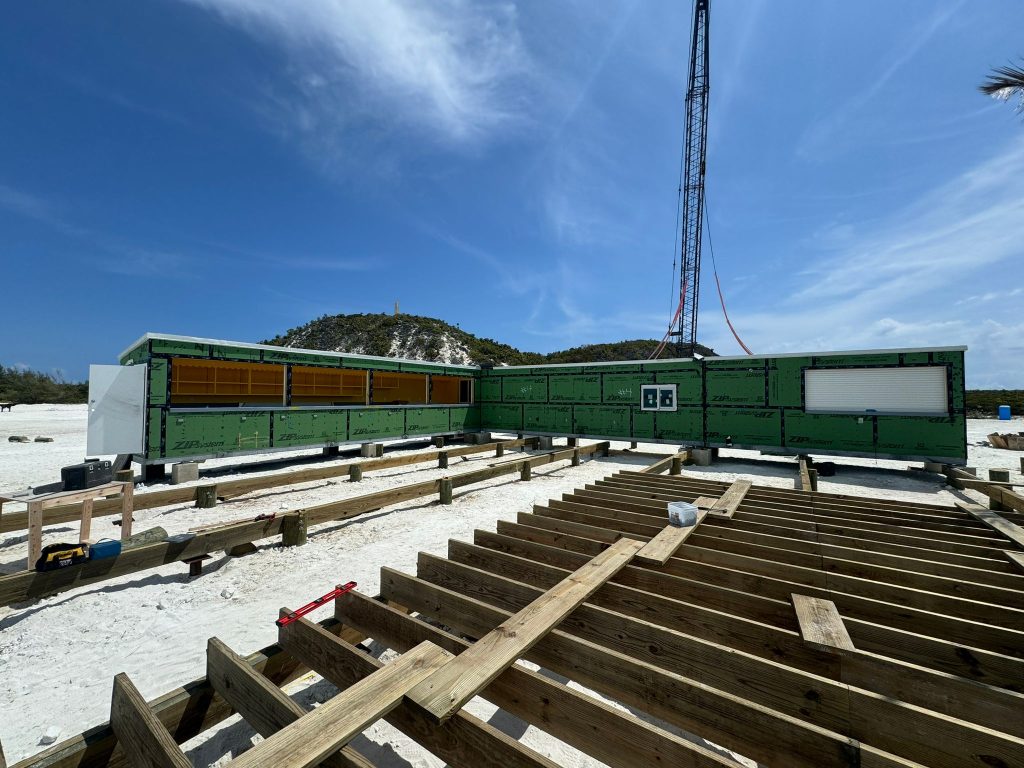
There are major differences between modular and stick-built structures, including where, how, and how quickly construction happens.
What Is Modular Construction?
Modular construction involves building self-contained structural sections in a factory, transporting them to the worksite, and placing them on a prepared concrete foundation using a crane. Unlike prefab projects that require on-site assembly of panels and frames, modules are fully sealed and ready to deploy.
One module can be large enough to encompass individual store units, drive-through coffee shops, or similar buildings. For larger projects, multiple modules can be installed together, such as integrating an open-concept kitchen-living room module with bedroom and bathroom sections. Developers can also stack modules to create multilevel buildings, from community centers to shopping plazas.
What Is Stick-Built Construction?
Stick-built construction involves building residential, commercial, or industrial structures at the project site. This is the conventional method of construction, with subcontractors handling steel or wood framing, plumbing, electrical work, drywall installation, and a multitude of other tasks. Every aspect of construction happens one phase at a time.
Advantages of Modular Construction Compared to Stick-Built Buildings

The benefits of a modular approach to construction are easy to see, both for developers and clients.
Accelerated Completion Timelines
Developers can complete modular building projects much more quickly than conventional projects. Cutting delivery timelines by 30% to 50% is common, and sometimes more. This is possible because factory settings and precise engineering allow for efficient assembly, even with customized projects.
Increased Production Volume
The time-saving benefits of modular can be even greater when developers partner with manufacturers for standardized projects. Expert factory teams can create high-quality modules that meet precise specifications for multifamily housing, commercial plazas, franchise units, and similar high-volume needs.
Reduced Costs for Labor, Site Security, and Other Needs
The cost of steel frame modular construction varies by size, style, logistics factors, and other project requirements. In general, however, developers can lower overall costs significantly with modular buildings:
- Few contractors or subcontractors are needed.
- Materials storage isn’t usually necessary, which lowers site security requirements.
- Shorter project timelines also reduce labor costs.
- Your organization can save money on insurance with fewer workers, safer sites, and less heavy equipment.
Some preliminary construction is still necessary with modular buildings. This includes pouring footings and slabs.
Environmentally Friendly Building Practices
In many areas, developers benefit by adopting sustainable construction practices. Homeowners, communities, and clients often value a green approach, not to mention the excellent energy-efficiency benefits with tightly sealed building envelopes. Modular projects generate significantly less waste and use less energy during manufacturing.
Planning, Predictability, and Safety
Factory manufacturing means less impact from weather-related concerns. Aside from transportation delays, modular projects can proceed smoothly throughout the year. Developers have more control over project start and end dates.
Potential Challenges With Modular Building Projects

Even though modular steel construction has many attractive benefits for residential and commercial developers, this method can also have a few challenges.
Logistics Complexity
Once modules are completed, they must be transported to the construction site. For long-haul deliveries, the transporter must carefully plan every detail of the route. Roadway weight restrictions, tolls, bridges, detours, bypasses, and even weather conditions can impact transportation.
Installation Precision
Modules generally leave the factory fully finished. Depending on the desired style for commercial buildings or housing developments, this can mean painted drywall, tile flooring, light fixtures, and other accents. Great care is required during the loading, unloading, and placement phases to prevent damage. Developers have to work with professionals they trust during these critical stages.
Local Building Inspections
Many state and county authorities are favorable to modular building projects, but not all are. Some jurisdictions insist on rigid procedures for building permits, such as requiring local inspectors to perform a detailed review of all electrical and plumbing work before the module is sealed or finished. In such a case, your team may save more time using stick-built or prefab (e.g., walls and connections are completed on site) techniques.
Pros and Cons of Stick-Built Construction
Modular construction hasn’t completely replaced conventional building methods. In some scenarios, stick-built construction is the right choice.
Greater Customization (Pro)
Modern modular buildings allow for significant style flexibility, but the shape of individual modules can only change so much. One of the biggest advantages of stick-built vs. modular construction is that there’s practically no limit to the design flexibility architects have. Spaces can have massive open areas and complex layouts.
This difference between modular and stick-built is similar to purchasing a high-quality suit from a fine clothing store versus hiring an expert tailor to craft the garment from scratch. Both provide excellent results, but the level of design freedom (and the cost) is much higher.
Gradual Capital Requirements (Pro)
Traditional commercial construction projects are often completed in tiers. Many contractors structure the work so that payment is tied to phased delivery dates. This approach provides a fresh infusion of capital at multiple points of the project, reducing the need for outside funding. For small- and mid-size construction businesses, having plenty of working capital available can be essential.
In comparison, modular building projects tend to have front-loaded costs. Of course, reduced on-site construction means lower labor costs and materials, but companies with tight operating margins may need to find a manufacturer that offers financing.
High Labor Costs (Con)
As labor costs increase, so does the required development budget. In some metropolitan areas, the prohibitive cost of hiring contractors has made developers hold back from potentially lucrative projects. Modular building manufacturers also employ professionals, but team sizes are smaller.
Modular or Stick-Built Construction: Which Should You Choose?
Modular projects allow for rapid completion, letting developers fill units and start generating returns quickly. Stick-built construction provides greater customization and control. Whether modular or stick-built construction fits your current needs best, partnering with experienced professionals is always the right choice. At Roxbox, we provide complete modular construction services, coordinating design, engineering, building, logistics, and installation as needed. Request a quote today.