


How Long Does It Take To Build a Commercial Building?
How Long Does It Take To Build a Commercial Building?
For many commercial building projects these days, labor costs account for between one-fifth and nearly half of the total budget. The longer that construction takes, the more contractors and subcontractors typically charge. To make smart business decisions for new construction or build-outs, you need to know how long it takes to build a commercial building.
The Average Length of Time for Commercial Building Projects
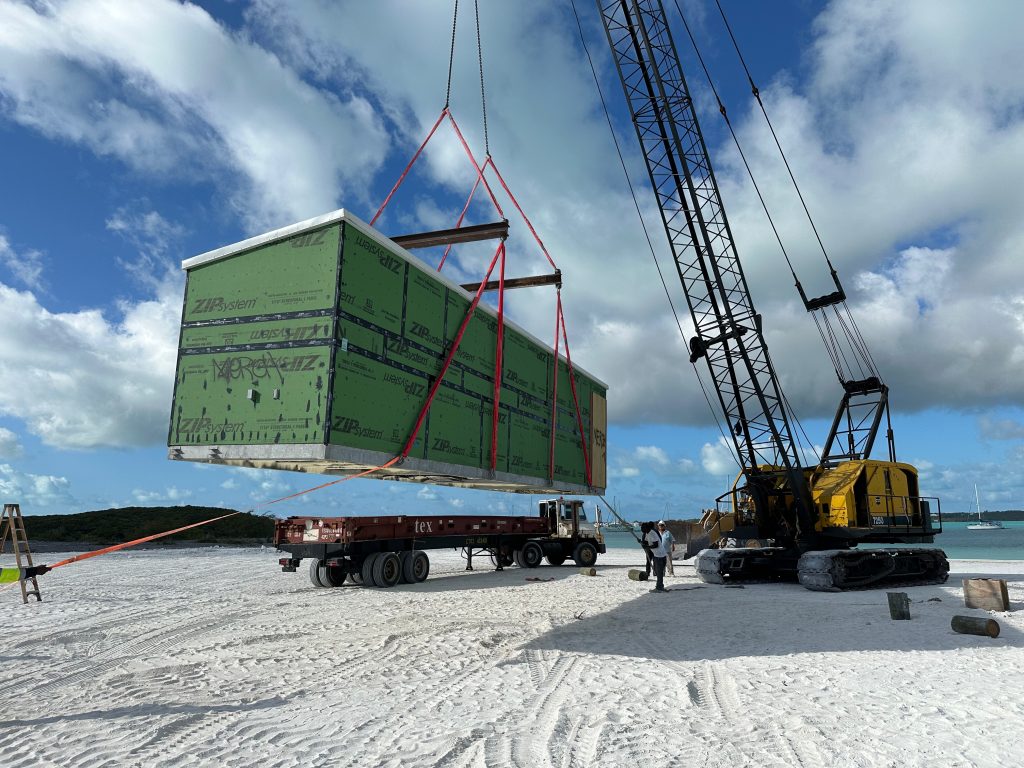
In general, commercial buildings take from four months to a year and a half to complete. Countless details can affect a project’s timeline, including materials shortages and delivery delays. A 10,000 square-foot commercial building usually takes contractors about six months to build.
Shops and Retail Locations: 4 to 6 Months
Smaller stores can be ready to go in six months or less. These projects are typically less complicated, mainly consisting of open space and aisle dividers. If you use a prefab building model or work with a standardized design, this type of project can go even faster.
Convenience Stores, Gas Stations, and Automotive Repair Centers: 4 to 12 Months
Simple gas stations can be completed more quickly than fully equipped service stations with convenience stores. In addition to having rows of refrigeration equipment, many C-stores also offer food, which adds to equipment ordering and installation times. How long construction projects take for automotive repair centers depends on the design and the number of bays.
Cafes and Restaurants: 4 to 12 Months
Construction projects for restaurants, cafes, and fast-food locations tend to be on the shorter side, especially if you already own a parcel of land.
If you’re building a franchised quick-service restaurant, the time to your Grand Opening depends heavily on the franchisor's building specs and support. Some franchisors get new locations up and running in several months, and others drag things out for a year.
Medical, Dental, and Chiropractic Offices: 4 to 8 months
The specifics depend on the size of the clinic, but many dental and medical practices can be completed in about six months. The more exam or treatment rooms contractors have to build, the longer the project takes.
Office buildings: 8 to 18 Months
Not only do office buildings usually have multiple floors, but many also require internal walls, plumbing, and electrical connections for offices and restrooms. The added size and complexity add to the project length significantly.
Warehouses: 4 to 6 months
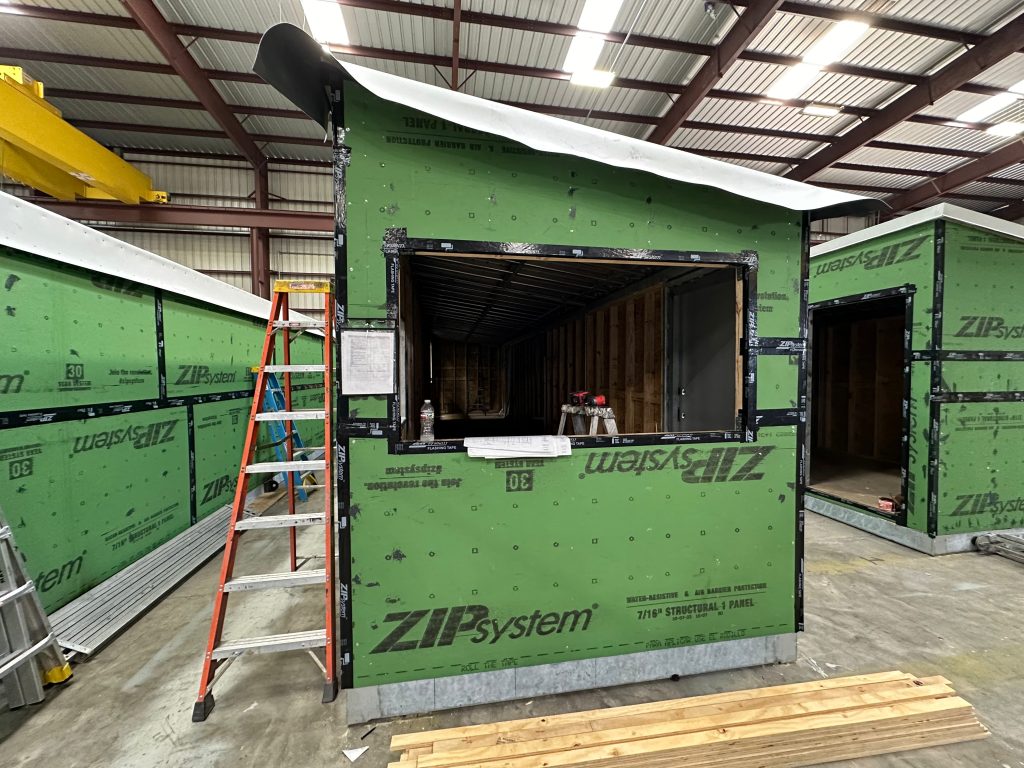
Even though warehouses have a large size in square feet, they’re generally simple to build. The rise of prefab construction and steel buildings has sped up warehouse completion times even more.
Keep in mind that fully insulated storage facilities or cold-storage warehouses with refrigeration equipment take much longer to build. Depending on the size of the space, these projects can take from 8 to 12 months on average.
Strip Malls, Grocery Stores, and Neighborhood Shopping Malls: 6 to 12 Months
Construction for grocery stores and local shopping malls doesn’t take as long as you may think. Some have been built from the ground up in a few months.
Modular building construction is growing in popularity for outdoor shopping plazas. This approach can cut build times by three months or more.
Outlet Malls and Regional Shopping Centers: 12 to 30 Months
Shopping centers with several anchor stores, multiple floors, and dozens of smaller retail spaces require a long time to complete. Not only do they have more complex permitting requirements, but the materials and finishings must be picture-perfect. Parking garages and cinemas add even more time.
Data Centers, Factories, and Industrial Buildings: 12 to 24 Months
Delivery of large-scale industrial factories can vary widely by industry. The sheer scale of these buildings requires a larger project.
Operational complexity also has a large effect on timelines, from requiring thick concrete slabs and reinforced columns to long design phases and detailed assembly line layouts. Coordinating many different subcontractors and equipment companies can add weeks or months to the project.
Factors That Affect How Long It Takes To Build a Commercial Building

Many elements of a project affect the average construction time for a commercial building. By identifying likely bottlenecks, you can reduce your time to market. Some of the most common delays come from:
- Permits: City and county bureaucracy can be difficult to navigate, and some permits have complex requirements.
- Complexity: Complex layouts, materials, finishes, HVAC systems, or operational specifications take longer than straightforward building designs that contractors have worked with dozens of times.
- Customization: Customized building design elements add to construction time, especially when compared to prefab and modular construction.
- Materials: With concrete buildings, it takes a long time to prepare site areas, reinforce the framework, pour concrete, and wait for the material to cure. Metal building construction is significantly faster.
- Location and weather: Excessive heat, rain, and unexpected frost can pause or slow down construction projects. Concrete buildings are especially susceptible to these obstacles, and some areas of the U.S. are more prone to temperature variations or intense storms.
- Changes: Making modifications to the agreed-upon plans, expanding the scope of the project, or going with a different equipment supplier can set construction back by months.
Partnering with a contractor that handles both design and construction can streamline project planning and execution. Contractor experience also makes a large difference for meeting your design specs accurately from the beginning.
The Advantages of Modular Construction for Commercial Businesses
For many businesses, function is more important than form. Keeping costs and construction times down helps your business build towards profitability more quickly.
Modular construction is an excellent solution for QSR locations, retailers, pop-up stores, service businesses, warehouses, and data centers. You get the design flexibility necessary to meet your operating requirements, combined with the speed of preformed building materials and standardized construction processes.
For many applications, a modular approach can reduce construction times by 20% to 40%. Earlier sales growth can help you get the working capital necessary for continued improvements.
How Long Does It Take To Build a Commercial Building With Modular Materials?
The amount of time needed for building construction depends on the size, shape, and specifications for your project, but modular approaches are always faster, from the design phase to installation. At Roxbox, our controlled production process delivers high quality and speed. Tell us about your commercial construction project we can provide a clear timeline.


What Is Permanent Modular Construction?
What Is Permanent Modular Construction?
Temporary modular construction has been a game-changer for short-term buildouts. The rapidly deployable units have allowed organizations and builders to adapt smoothly and cost-effectively to the needs of multi-day festivals, sporting events, trade shows, and other locations.
Now, permanent modular buildings are ready to transform traditional project timelines in the same way. What is permanent modular construction, and why should your organization take it seriously?
Permanent Modular Construction: What It Is

Permanent modular construction involves the off-site planning, manufacture, and assembly of building modules or pre-engineered sections for long-term structures. PMC is a streamlined version of traditional construction, using lean manufacturing techniques to create fully functional and immovable buildings on a solid foundation.
The use of modules doesn’t limit the scope or design options of permanent buildings. Many permanent modular buildings have multiple levels. Developers can create complex layouts for multi-tenant commercial locations or follow a standardized playbook for single-owner buildings.
Permanent Modular Construction Vs. Temporary: Quick Comparison
Permanent and temporary modular structures are both excellent solutions for commercial construction challenges, but they target different objectives.
| PMC | TMC | |
| Purpose | Long-term use, like any other commercial building | Short-term projects; events lasting a few months or years |
| Size | From small businesses to large, multi-story structures | One module or “plaza” with multiple single units |
| Deployment | Installation on poured concrete slab or pier and beam foundation | Basic site leveling or grading; inside or outside existing structures |
| Project Timeline | Several months | Several weeks |
| Examples | Shopping centers, office buildings, and restaurants | Event concessions, bathroom units, secure storage |
Temporary structures sometimes use lighter wood-frame materials, but many use the same steel-frame construction as permanent buildings. Durable steel modular structures are relocatable and can last many years with proper installation and maintenance.
Options and Opportunities With PMC
Adopting a permanent modular construction approach to development gives companies a broad range of options for commercial and industrial building projects:
- Modular office buildings
- Multifamily housing developments
- Outlet shopping centers and plazas
- QSR and drive-through locations
- Coffee shops, cafes, bistros, and other restaurants
- Medical and dental clinics
- Schools and government buildings
- Data centers, control rooms, and generator enclosures
PMC allows for significant design flexibility and developer customization, combined with the benefits of standardized engineering and efficient delivery timelines. This makes it easier for developers to hit specific project goals consistently and effectively.
The Advantages of Permanent Modular Construction

PMC isn’t a trend; it’s a revolution. Respected international organizations like the World Economic Forum highlight it as a leap forward in the way construction projects are planned and administered.
Development and Completion Speed
A report by McKinsey & Company found that modular construction methods can speed up project delivery timelines by up to 50%. The average improvement was 35%. In other words, for a typical 12-month project, developers were able to save between three and six months of work.
How is this possible? By outsourcing planning, engineering, and assembly, developers bypass many of the conventional bottlenecks of on-site construction. Frequent and time-consuming reviews aren’t necessary because modular builders ensure adherence to your specs at the factory.
Labor Efficiency
Lack of experienced workers and rising employment expenses are also challenges that many general contractors and developers face. In America’s largest cities, labor costs for construction have gone through the roof, both with direct employees and subcontractors.
PMC companies also have cost increases, but the effects are typically much smaller because the manufacturing process requires fewer people. According to the same McKinsey & Company report, developers who choose a modular approach can save 20% or more on construction costs. This can equate to hundreds of thousands or millions of dollars per project.
Simultaneous Construction
Many construction companies using permanent modular buildings can significantly reduce the headcount and oversight needed per project. This frees up site managers and installation teams to take on more projects. It’s often possible to coordinate construction for multiple units or clients simultaneously. Labor costs remain the same, but revenue increases significantly.
Consistent Quality and Precision
When construction teams have hundreds or thousands of workers, it’s practically impossible to guarantee consistently high quality on every site. A lot of time is wasted on reviews and corrective actions.
Permanent modular engineering is different. Not only do firms use computer-aided processes to ensure precision, but the building professionals also have more experience with module assembly. Standardized processes and systems — including structural components, electrical connections, and plumbing — reduce the risk of human error.
Fewer Weather-Related Risks and Delays
Permanent modular construction happens inside a clean, organized, and temperature-controlled facility. There are no delays for heavy storms, high winds, or excessive heat. Not only does this allow for close adherence to promised delivery dates, but it also means construction projects stay on target.
Seasonal Revenue Optimization
The benefits of PMC building models are even greater in regions where winter weather freezes many construction projects. First, as long as site preparations and foundations are in place, it’s often possible to continue building operations year-round. Second, by accelerating completion timelines per project, developers can squeeze more work into active months.
Simplified Project Management
Finally, a PMC approach can reduce the overall complexity and management needs of commercial building projects. Instead of needing to coordinate dozens of teams performing framing, concrete work, electrical, plumbing, and roofing tasks, contractors mainly need to handle module positioning, installation, and finishing. Some types of PMC modules are fully glazed and nearly ready for commercial use.
Stages of a Permanent Modular Construction Project
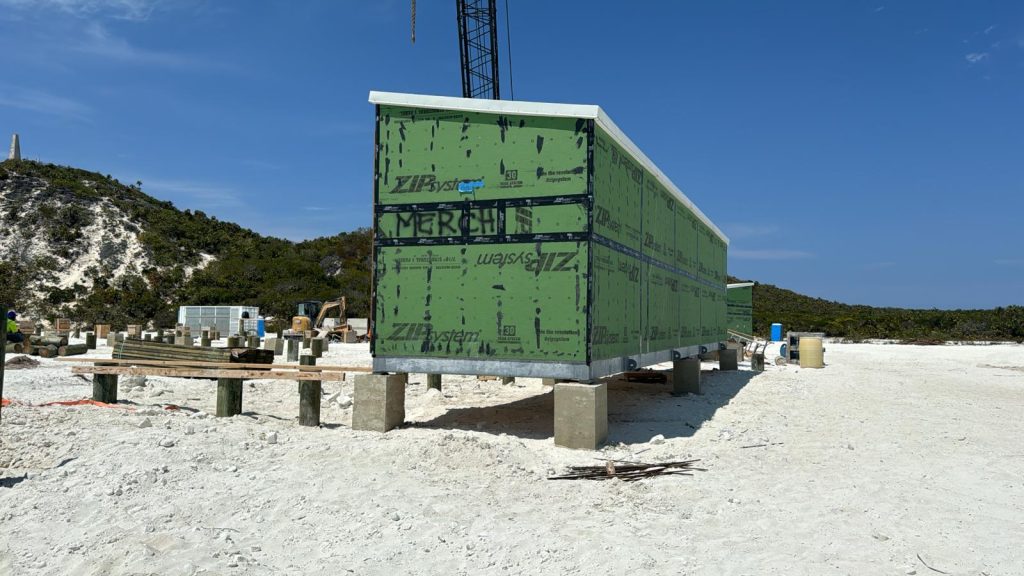
The PMC process has similar stages as conventional construction, but a much shorter time from conception to completion:
- Project planning
- Module design and engineering analysis
- Site plan submission and permit applications
- Site prep, including excavation and foundation creation
- Off-site module fabrication and assembly
- Module delivery and final installation
Regardless of the type of commercial building chosen, permanent modular structures adhere to the highest building standards. Third-party firms work closely with developers during the design and engineering processes to ensure the finished product meets local, state, and federal codes.
Discover Permanent Modular Construction Solutions
Despite the standardized nature of modules, permanent modular construction is a flexible and performance-focused method for commercial development. It allows for in-depth developer customization and efficient manufacturing templates.
At Roxbox, we work extensively with commercial and industrial developers around the country. Our expert modular construction services can streamline projects from design to installation. Request a custom quote today.