


Why Modular Steel Buildings Are Fire Resistant
Why Modular Steel Buildings Are Fire Resistant
In commercial buildings, a fire can exceed temperatures of 1,000 degrees Fahrenheit in a matter of minutes. With these extreme temperatures come major risks to personnel, property, assets, and structural integrity. One of the most important ways to reduce the risk of fires is to choose the right building materials. What are the pros and cons of modular steel buildings for fire resistance?
Are Modular Steel Buildings a Good Choice for Fire Resistance?
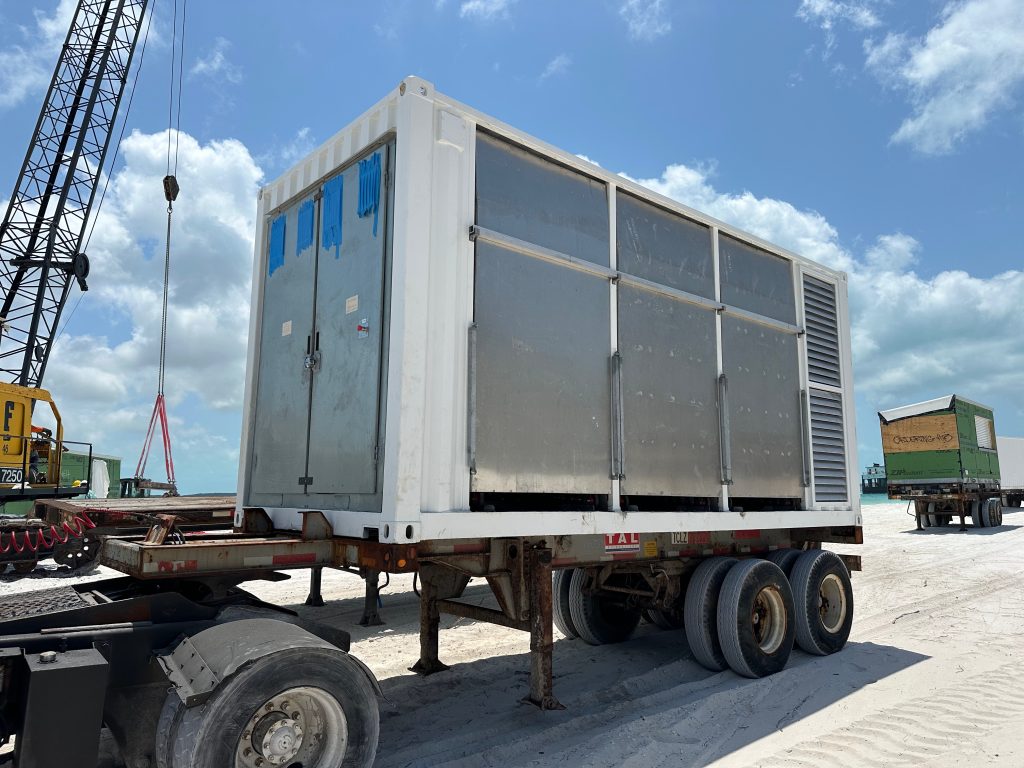
Steel-framed buildings can provide excellent fire resistance. Not only do they outperform wood frames, but they also provide better passive resistance to fire. That said, any building’s fire resistance depends on all materials used in construction, not just the frame.
What is fire resistance? This rating measures how well construction materials:
- Perform in intense heat
- Resist ignition
- Prevent fires from spreading
- Maintain structural integrity in a fire
Many modular steel buildings provide high fire-resistance ratings, especially when they’re designed with fire safety and thermal performance in mind.
Is Steel Fire-Resistant?
Steel is one of the best fire-resistant building materials. According to the American Institute of Steel Construction, steel is noncombustible, which means it doesn’t burn. You never have to worry about steel beams, roofing, or cladding contributing to the growth of a building fire (though conventional paints can ignite).
Steel frames are also exceptionally strong and resilient in the event of a fire. The load rating of a steel modular building depends on beam specifications, but this material retains its structural integrity well in high heat. Even at 1,000 degrees Fahrenheit, structural steel maintains approximately 60% of its normal yield strength.
Considering that local building codes rarely allow engineers to get close to the max load rating of steel, this means that many properly installed steel buildings can successfully withstand fires. This outcome is even more likely when passive or active fire-prevention measures are in place, such as intumescent (fire-retardant) paint or sprinkler systems.
Fireproof Versus Fire Resistant
Despite its excellent performance in building fires, steel isn’t fireproof. No building material is completely impervious to fire. Large industrial fires can eventually reach temperatures of 1,200 to 1,800 degrees Fahrenheit or more. It takes more than 2,500 degrees for structural steel to melt, but issues such as creep and yield strength loss appear at much lower temperatures.
It’s also important to keep in mind that a steel building’s fire resistance depends on all of the materials used in construction. For example, some polyurethane foam insulation can catch fire, burn quickly, and spread flames through the spaces between walls while releasing toxic fumes. Fiberglass and mineral wool are better choices for fire resistance.
What Are the Advantages of Steel Modular Buildings for Fire Resistance?

The materials and design used in steel modular buildings often provide important advantages over other construction options.
Nonflammable Material
Structural steel is naturally fire-resistant. They don’t contribute to a fire or ignite when too close to a heat source. This can give employees time to react in an emergency, putting out grease fires or accidental flames with a fire extinguisher. It’s easier to contain minor fires in a steel frame building without them turning into major disasters.
This is a major advantage compared to timber building frames. Even when treated with flame-retardant chemicals, wood is flammable. Timber conducts heat instead of repelling it, quickly feeding building fires and allowing flames to spread from one area to another. The dangers are even greater with untreated wood, plywood, fiberboard, and other plant-based materials.
Cost-Effective Fire Resistance
Steel frame buildings are comparatively inexpensive to build, especially when you use a modular building template for many commercial locations. The tensile strength of structural steel allows for the rapid construction of large buildings, such as data centers, aircraft hangars, and industrial warehouses.
In contrast, working with reinforced concrete is time-consuming and expensive. Building projects can take weeks or months, increasing labor costs significantly.
That said, concrete is also an excellent fire-resistant building material with low thermal conductivity. For permanent installations, some industrial businesses (e.g., oil refineries and metal production operations) use steel beams that are reinforced with high-density concrete.
Portable Fire-Resistant Structures
When it comes to temporary or portable buildings that are fire-resistant, few options can even come close to steel modular construction. You don’t have to pour concrete pillars, spray fire-resistant insulation, install new gypsum boards, or apply special coatings to timber frames. The structure remains fire-resistant wherever you need to set up shop.
Is fire-resistance important at event venues? Over the years, there have been many fires at concerts and music festivals, sometimes caused by fireworks, bonfires, or food truck fires. These incidents led to the creation of NFPA 96, the National Fire Protection Association’s Standard for Ventilation Control and Fire Protection of Commercial Cooking Operations.
Consistent Fire Protection
Steel modular buildings are designed, engineered, and produced in a factory. This allows for even, consistent application of intumescent paint, gypsum boards, and similar fire-protective layers. Sometimes, modular construction happens on the factory floor, which provides even more precision.
Of course, traditional construction can achieve similar results, but the process takes longer and requires more oversight. There are more chances for mistakes, like installing the wrong materials for high-risk environments. Working with a modular building designer means you can trust that every component has been handled by experienced professionals.
Which Industries Benefit Most From the Fire-Resistance of Steel Modular Buildings?
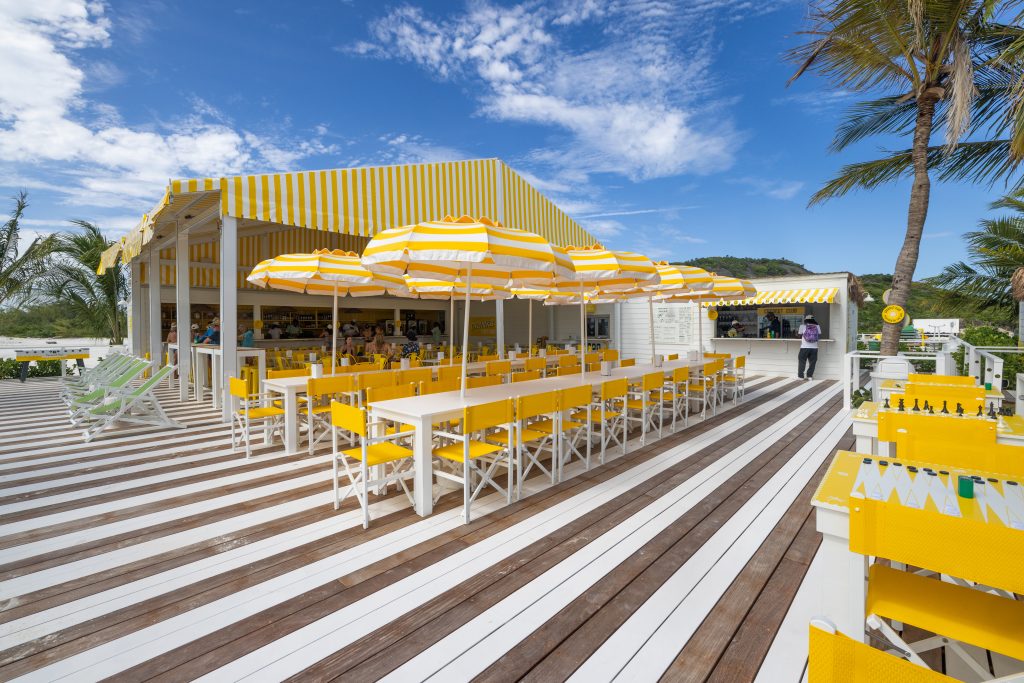
Modular steel buildings are a fast and cost-effective solution for any commercial building project where excess heat or fire risks are a concern. Common examples include:
- Data centers
- Pop-up restaurants and QSR franchises
- Concert and sporting event venues
- Automotive repair shops
- CNC machining and metalworking shops
As the risk of wildfires increases, many real estate developers in fire-prone regions are also looking into the benefits of steel building construction.
Steel Modular Buildings Engineered to Your Fire-Resistance Specifications
One of the biggest benefits of steel modular buildings for fire resistance is their customizability and versatility. At Roxbox, we help our clients select the right materials for thermal control, fire resistance, energy efficiency, and other project goals. Request a quote today.

How Long Do Steel Frame Buildings Last?
How Long Do Steel Frame Buildings Last?
Global developers are increasingly using structural steel for building projects, with the market increasing by nearly 5% annually. The majority of construction growth in the United States centers on the manufacturing and commercial sectors, and steel offers excellent performance in these industries. One of the biggest selling points is how long steel frame buildings last compared to traditional construction materials.
What is the Typical Lifespan of a Steel Frame Building?
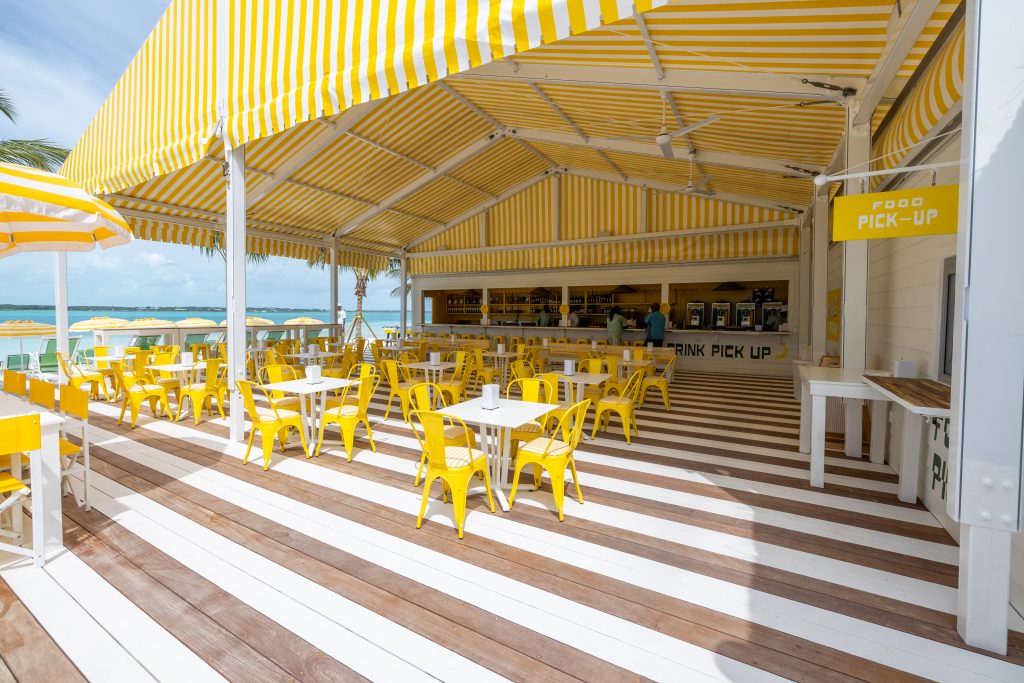
The lifespan of structural steel depends on a variety of factors, such as the building site and local weather conditions. On average, a steel frame building lasts 50 to 70 years with proper maintenance. In some places, this type of construction can last 100 years or more.
These days, steel frame modular construction is versatile, allowing developers to choose from a wide range of interior and exterior materials. Metal wall cladding and roofing provide outstanding durability, often lasting 40 to 50 years before requiring repairs or replacement. There are also special protective coatings that extend protection against UV rays, corrosion, and other damage.
Steel Frame Structures Versus Other Building Materials
Structural steel isn’t the only long-lasting building material that developers can use, but it stands out because of its unique combination of advantages. Steel frame structures are strong and moisture-resistant, but they’re also affordable and easy to maintain.
Reinforced concrete also lasts for ages with proper care, and concrete slabs are often used as the foundation of metal modular buildings. The main downside of using concrete for commercial and industrial projects is how long the construction process takes. This also drives up labor costs significantly compared to steel frame buildings.
What about conventional wood frames for commercial buildings in the United States? Wood can be a long-lasting building material, but it’s extremely vulnerable to moisture damage, mold, and pests. It’s rare for wood homes and businesses to still be in good condition after 70 to 80 years — and remodeling typically requires expensive renovations.
What Factors Affect How Long Steel Frame Buildings Last?

Even though modular steel constructions have many advantages, they’re not completely impervious to wear and tear. It’s important for architects, developers, and business owners to carefully consider several factors that determine how long steel frame buildings last in practical terms.
Permanent or Temporary Construction
Some modular steel buildings are designed for temporary use, allowing for fast setup at concert venues, auto shows, construction projects, and similar short-term uses. Temporary steel frame buildings work well as concessions stands, merch shops, sound booths, security booths, and operational centers.
Repeated teardown, transportation, and setup can take a toll on the structure’s lifespan compared to a permanent steel building. There are more opportunities for workers to cause damage, such as scraping protective coatings. The good news is that modular construction means that businesses can replace damaged sections with minimal time and expense.
Structure Quality
Not all steel frame buildings use the same beam dimensions, grades, and configurations (though all must meet local building codes). To ensure that constructions last a long time, it’s necessary to choose a manufacturer with a reputation for quality. During the design phase, engineers select steel beams based on span length, expected load requirements, environmental considerations, and building purpose.
Proper Installation
Even the best structural materials won’t last long if they’re not installed correctly. Pre-engineered steel structures have an advantage in this area with their simplified assembly process, but it’s still crucial to work with licensed building professionals.
Even though individual modules generally have electrical and plumbing ready, it’s necessary to make the finished connections correctly. Leaking pipes can damage steel buildings.
Preventive Maintenance
Beware of any company that promises a “zero-maintenance” pre-fab structure. It’s true that steel frames, cladding, and roofing usually require less frequent maintenance than wood beams or asphalt shingles; however, periodic checks and preventive care are always essential. Noticing and correcting minor damage quickly can prevent expensive repairs for many decades.
Local Environment
Over time, exposed steel becomes vulnerable to rust. To prevent this, steel surfaces need good protection from the elements, such as corrosion-resistant paint. In warm and dry climates, keeping a steel building in excellent condition is easier, which explains why so many data centers use this type of construction template.
On the other hand, areas with temperature extremes are harder on metal buildings. Freeze-thaw cycles and heavy snow can expose surfaces to excessive moisture. Coastal regions with salty air or sand can cause abrasion and speed up corrosion.
These problems don’t automatically hurt the lifespan of steel frame buildings, though. They merely require extra maintenance, usually periodic cleaning and repainting.
Business Operations
Some commercial and industrial operations can affect building components. Steel frame buildings are a cost-effective solution for everything from airplane hangars and automotive repair shops to warehouses and cold-storage facilities. But architects must take the purpose of the building into account to avoid corrosion from condensation, industrial chemicals, sparks, and abrasive materials.
How Can Businesses Maximize the Lifespan of Steel Frame Buildings?
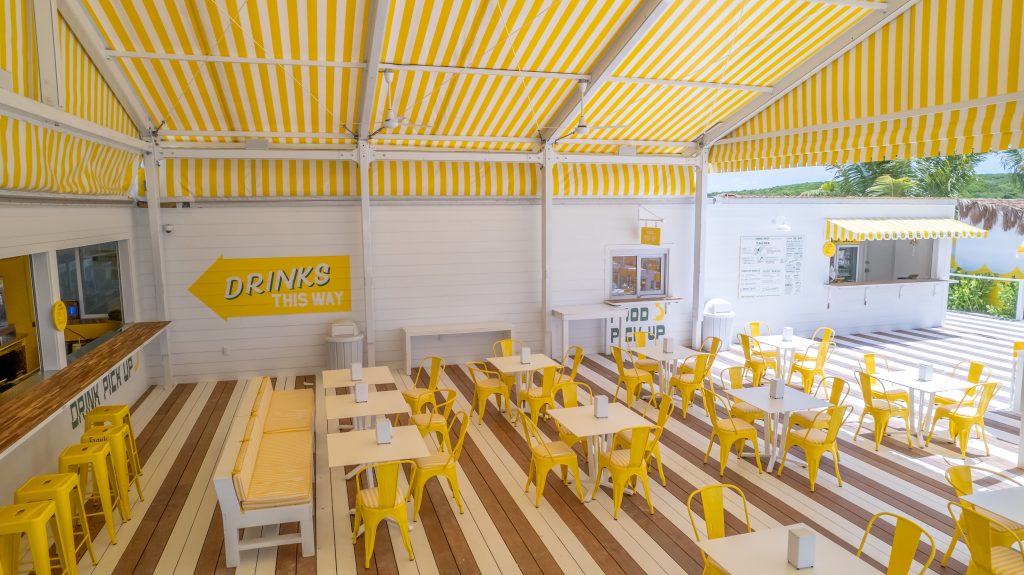
Taking care of a steel building isn’t overly complicated. Developers, property managers, and business owners can help steel frame buildings last longer by following some basic best practices.
1. Prepare the Site Correctly
Steel frame buildings need stability and support. The site should be level, well-compacted, and graded for good drainage. For permanent buildings, any concrete slabs should have solid footings.
2. Keep Moisture Away From the Building
Trim any landscaping so it doesn’t touch the building’s exterior or prevent airflow. Clear dead leaves away from the base and keep gutters clear.
3. Check Building Surfaces Several Times a Year
Depending on the local climate, it’s good to visually inspect the building before and after winter. Look for leaks, cracks, hail damage, or holes from rodents.
4. Wash Exteriors Regularly
Washing steel buildings helps flush away dirt, debris, mud, and salt. This reduces the risk of corrosion and surface scratches.
5. Fix Scratches ASAP
Touch up any exposed steel quickly. Schedule a full repaint every two to four years on average.
Learn More About Long-Lasting Steel-Frame Buildings
At Roxbox, we take quality seriously. Our expert engineering team designs steel frame buildings that withstand the test of time. We also create custom modular buildings for any development project. Request a quote today.