

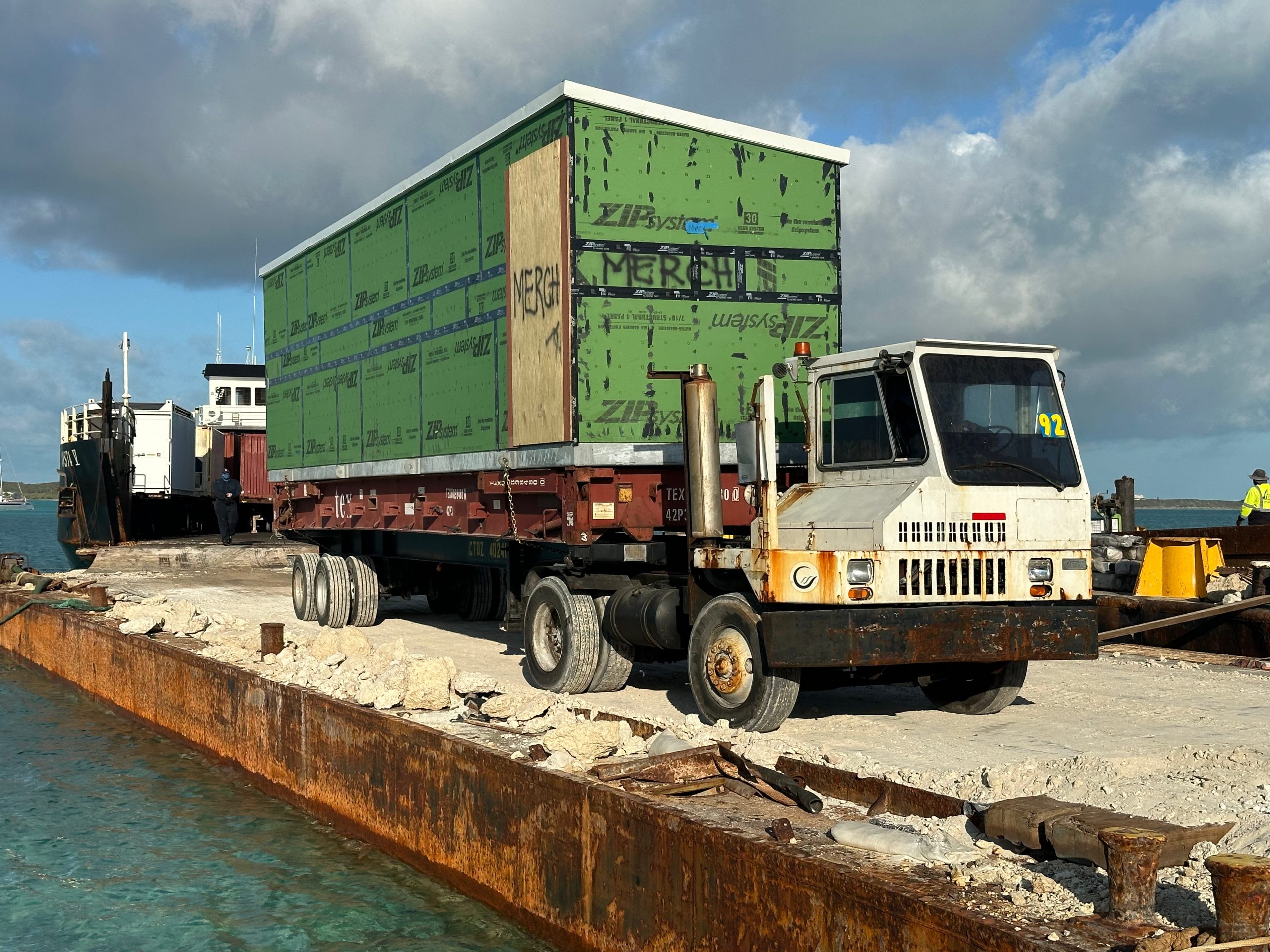
The Load-In Day (or Crane Day) for a Modular Steel Frame Building Installation
The Load-In Day (or Crane Day) for a Modular Steel Frame Building Installation
Modular construction changes the way a jobsite looks and operates compared to traditional building. Instead of months of framing and finishing happening onsite, most of the work is completed in a controlled factory environment before the modules ever arrive. That means most of the on-site construction takes place quickly and dramatically during the modular building installation phase, often called the load-in day.
What Is the Load-In Day for Modular Building Installations?

Load-in day refers to the day when prefabricated steel modules are delivered to the project site and lifted into place with a crane. It is a pivotal milestone because the structure of the building takes shape almost instantly once the modules are set. What might normally take months of field construction can come together in days, allowing project teams, stakeholders, and surrounding communities to see rapid progress.
The load-in day represents the culmination of design, engineering, and fabrication work carried out offsite. All of that work is transformed into a tangible building that occupants and operators will eventually use. For developers and operators managing multi-site projects, this speed and efficiency illustrate why steel modular construction continues to gain momentum.
What Does Load-In Day Look Like?
Load-in day has a lot of moving parts, both figuratively and literally. Every step must be coordinated so the modules can transition seamlessly from transport to final placement. For steel frame modular construction, the process typically unfolds in six main steps.
Step 1: Modules Arrive on Site
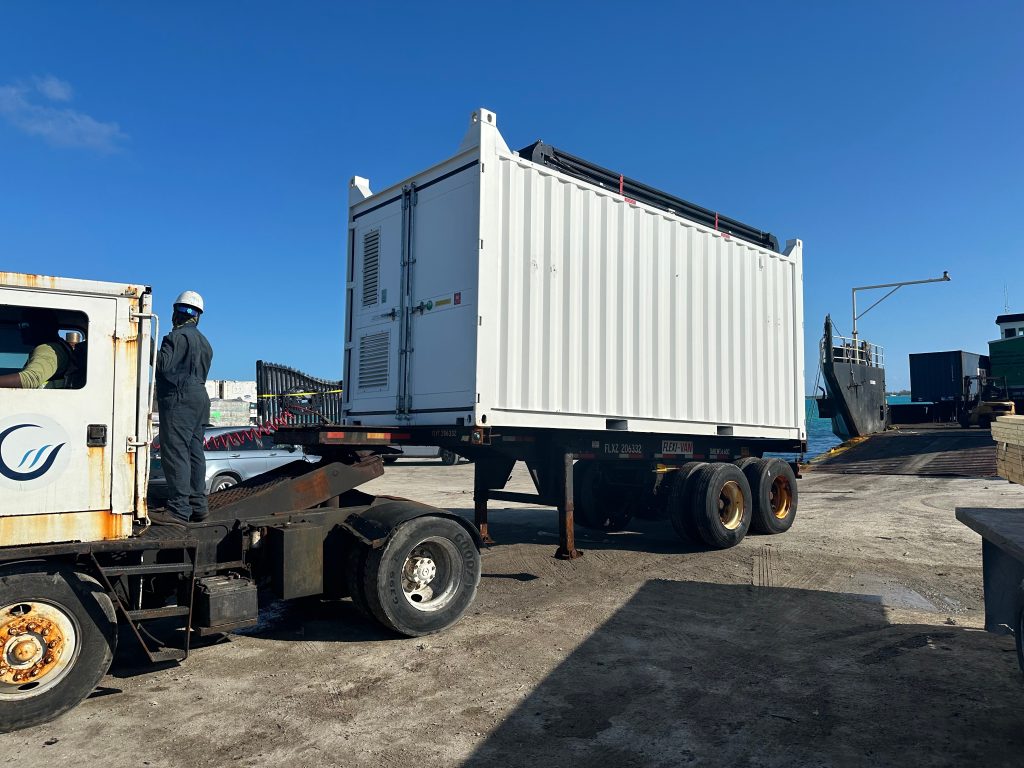
The day begins with flatbed trucks carrying the prefabricated steel modules to the site. Each unit has been built, tested, and inspected at the factory. Once onsite, it is staged close to the crane to minimize handling. Proper staging is crucial. Efficient unloading reduces delays, keeps traffic flowing around the site, and ensures modules are lifted in the correct sequence.
Step 2: Site and Crane Setup
Before lifting can begin, the crane must be positioned and stabilized. Crews check rigging equipment, confirm weight limits, and clear the work zone. On tight urban sites, traffic control is often required to manage road closures or rerouting. This preparation stage ensures that the lifting operations can be performed safely and without disruption.
Step 3: Rigging and Lifting

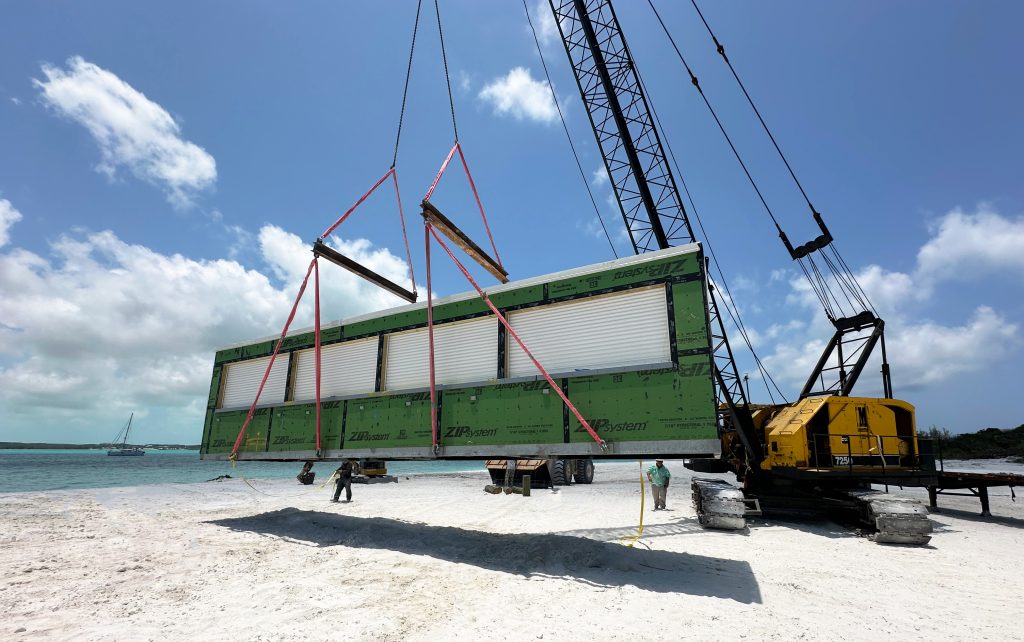
Each steel module is carefully secured with rigging gear designed to handle its weight and dimensions. Once attached, the crane lifts the module into the air, maneuvering it over the site. The strength of the steel frame is critical here. It prevents warping or damage during the lift, ensuring the module arrives intact and ready to install.
Step 4: Module Placement
Guided by crews on the ground, the crane lowers each module onto its designated foundation or structural support. Modules must align perfectly to maintain structural integrity and simplify connections later. Placement often starts with corner units or ground-floor modules that establish the layout for the rest of the building.
Step 5: Securing and Connecting
Once a module is in place, crews bolt or weld it to the structure and secure it to adjacent modules. This step transforms individual boxes into a unified framework. The durability of steel allows for strong, stable connections that can support multi-story configurations without compromise.
Step 6: Final Checks and Adjustments
With all modules set, crews conduct inspections to confirm proper alignment, stability, and adherence to design specifications. Minor adjustments are made if needed, ensuring the building is ready for follow-up work such as mechanical connections and finishing.
Who Are the Key Players On Site?
Modular building installation brings together a wide range of expertise. Each team has a specific role, and the day only runs smoothly when these roles overlap seamlessly. Clear communication and coordination are essential, and that makes understanding the responsibilities of each player critical to success.
- General Contractor: Oversees the site, manages schedules, coordinates trades, and ensures safety protocols are followed.
- Logistics coordinator: Manages truck schedules, staging areas, and sequencing so modules arrive and are lifted in the correct order.
- Crane Operator: Handles the lifting and placement of each module with precision, working closely with ground crews.
- Modular Manufacturer: Provides technical expertise on how modules are rigged, handled, and secured. Representatives often remain onsite to troubleshoot.
- Inspectors: Review safety measures, verify compliance with building codes, and confirm that installation meets design and regulatory requirements.
Together, these players form a coordinated team that keeps the project on track and ensures the metal building installation progresses as planned.
What Preparations Are Needed Before Modular Installation?

A modular installation shouldn’t be treated as a typical jobsite day. Because so much happens in such a short timeframe, preparation is the difference between a project that flows and one that stalls. Every element, from how trucks approach the site to how the crane is positioned, has to be thought through in advance.
- Site Preparation: Involves grading, foundation work, and making sure access routes are ready for heavy trucks and cranes.
- Traffic Management: Requires planning for deliveries and potential road closures, especially in urban or high-traffic areas.
- Safety Planning: Covers everything from crane setup to worker protocols, ensuring the site meets regulatory and company standards.
- Weather Considerations: Accounts for high winds, heavy rain, or icy conditions, with contingency plans in place to minimize delays.
- Utility coordination: Ensures that hookups for power, water, and communications are ready or accessible so modules can be connected without delays.
Thorough planning ensures that once work begins, the building takes shape smoothly and with minimal interruption.
How ROXBOX Ensures Smooth Delivery & Installation
At ROXBOX, our team works with clients from conception through completion, ensuring that every step aligns with project goals. ROXBOX delivers modules that are strong, precise, and ready for immediate installation.
When the load-in day arrives, our planning and coordination expertise help clients avoid costly delays and achieve the predictable outcomes modular construction is known for. The result is a building that comes together quickly, safely, and in line with brand and operational standards.
Ready to see how modular steel frame construction can streamline the building process? Request a quote today and learn more about what a successful modular building installation could look like for your enterprise’s next project.


How Long Do Shipping Containers Last?
How Long Do Shipping Containers Last?
Shipping containers were originally designed to streamline global trade. Over time, many large-scale developers have realized that these strong, cost-effective structures can be repurposed for a variety of uses. For enterprise buyers and commercial developers considering expanding with modular structures, understanding how long shipping containers last is important in determining whether they are a practical, long-term option.
How Long Does a Shipping Container Typically Last?
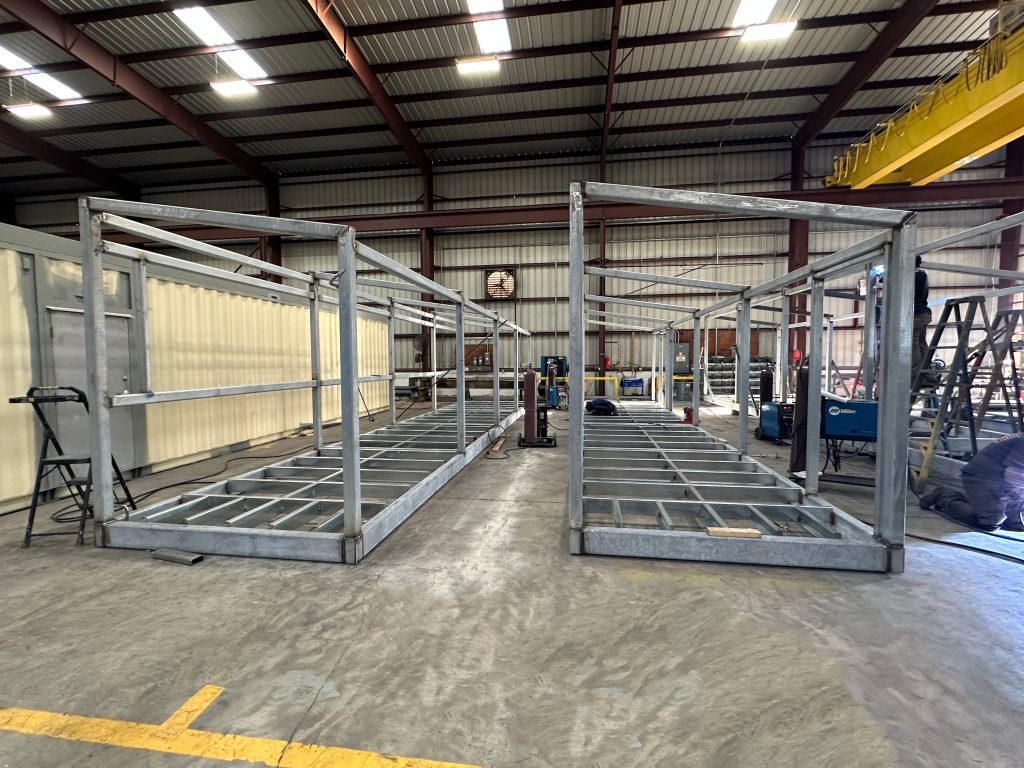
A shipping container used for its original purpose of transporting goods across seas typically lasts between 15 and 20 years. However, when repurposed as buildings, these containers can last significantly longer: up to 30 or 40 years with proper care and maintenance.
Shipping containers are primarily made from steel, known for its ability to resist corrosion and withstand exposure to the elements. The construction of these containers was designed to bear the wear and tear associated with international shipping. This includes harsh environmental conditions such as saltwater exposure, intense sun, and constant movement.
When repurposed for more static uses, shipping containers can last much longer, as they are no longer exposed to the same stresses and conditions. With the proper care, they can serve as long-lasting, practical, and cost-effective solutions for commercial developers creating modular spaces.
What Factors Influence a Shipping Container’s Lifespan?
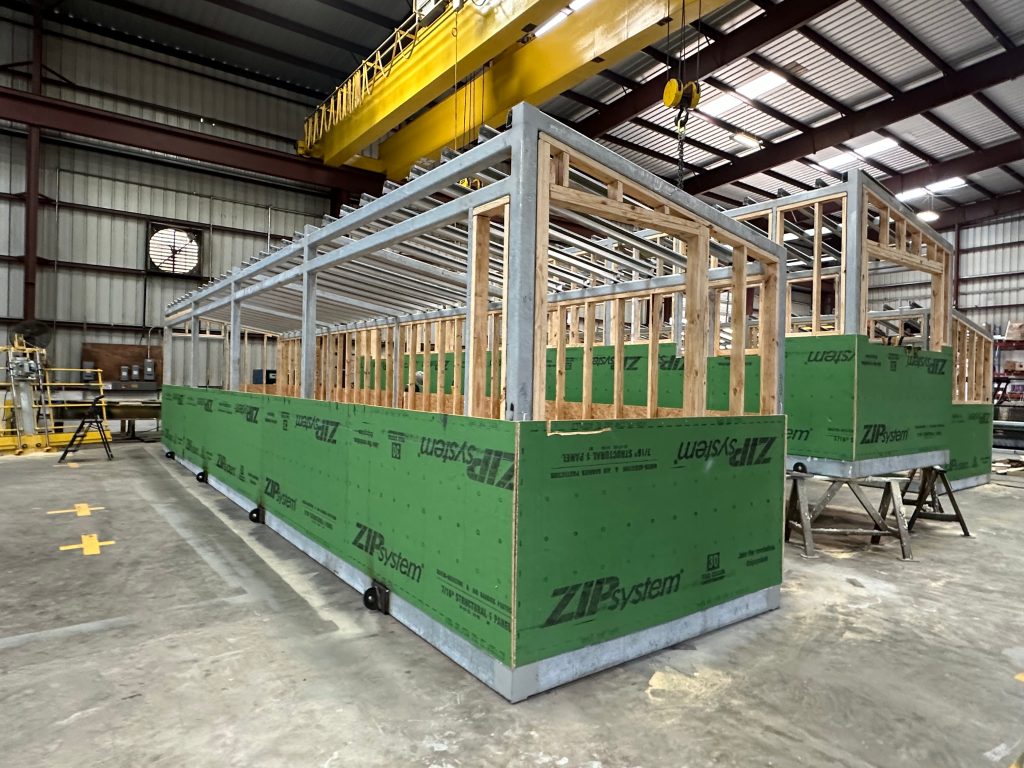
Although steel is known for its durability, the lifespan of a shipping container is influenced by a variety of factors. Understanding these elements can help developers maximize the longevity and performance of repurposed containers.
Material Quality and Modifications
The quality of the material used in a shipping container plays a central role in its overall lifespan. Shipping containers are typically made from Corten steel, known for its rust-resistant properties, which enhances durability. If the container is made with thinner or lower-grade steel, it might deteriorate more quickly.
Modifications made to the container, such as adding windows, doors, or additional structural elements, also significantly impact its lifespan. Modifying the container can compromise its structural integrity, especially if not done correctly. For instance, cutting windows or doors into the sides of the container weakens its overall structure, and insufficient reinforcements could lead to issues like sagging or distortion over time.
These modifications are typically difficult or even impossible to correct once done, so it’s essential to get them right from the beginning. The more alterations made without careful planning, the more potential there is for problems that could shorten the container's life.
Environmental Exposure and Placement
The environment in which a shipping container is placed has a significant impact on its lifespan. Steel generally performs better in drier conditions, where it is less exposed to moisture that can cause rust. For example, containers placed in an arid region will tend to last longer because the dry air causes less rusting and corrosion.
However, shipping containers can still fare well in wet or coastal environments, although these conditions require more upkeep and preparation. For example, a container located by the sea in a coastal town will need special treatment for saltwater corrosion, as the salt can cause the steel to rust faster.
Even within a less-than-ideal environment, the placement of the container is important. Placing a shipping container above ground, on a solid foundation, and away from direct exposure to elements like rain, flooding, wind, or extreme sun can dramatically increase its lifespan. For instance, positioning a container in a shaded area or on elevated ground can help protect it from the elements, allowing it to last much longer than if left exposed.
Use and Handling
The use and handling of the shipping container will also impact how long it lasts. A stationary container that is placed in a fixed location, such as a container home or office, will generally last longer than a container that is frequently moved. This is because frequent movement subjects the container to wear and tear from transport, which can cause structural damage, especially if it is loaded or unloaded improperly.
For example, a business that wants a mobile retail unit or food truck will subject its shipping container to regular movement. Constant vibrations and shifts from travel can weaken the container over time. On the other hand, if the container is installed permanently at a location, with no movement required, it is likely to endure longer.
How Can You Make a Shipping Container Last Longer?
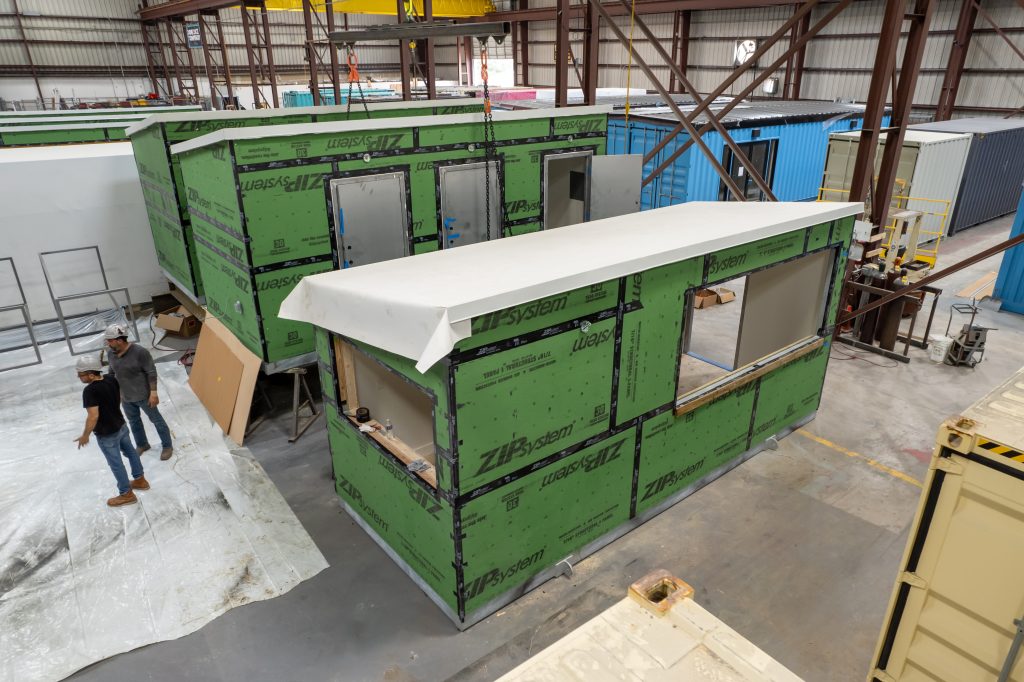
Starting with a high-quality container is essential, but it’s equally important to know how to maintain a shipping container structure. To ensure a shipping container lasts as long as possible, there are a few key considerations.
Strengthening the Structure
When repurposing a shipping container, the structure’s strength is paramount. Reinforcing the container with additional steel framing or structural support can prevent warping or sagging over time. Insulation is another important factor, especially if the container will be used for residential or commercial purposes. High-quality materials such as foam insulation or spray-on coatings help maintain temperature control and prevent moisture buildup, which could lead to corrosion.
Upgrades for Longevity
Upgrades like protective coatings are crucial to extend the life of your container. A high-quality paint or rust-resistant coating can help protect the steel from the elements, particularly in wet or coastal areas where rust is a bigger concern. Ensuring the container is properly sealed and adding weatherproofing measures like roof covers or drainage systems will also protect against exposure to harsh weather.
Routine Maintenance
Regular inspections and timely repairs are essential for maintaining the integrity of the container. Checking for rust, leaks, and any structural damage ensures minor issues are dealt with before they worsen. Routine maintenance, such as cleaning and resealing, helps protect against environmental stressors, keeping the container in top condition for years to come.
How Long Do ROXBOX Shipping Containers Last?
At ROXBOX, we use high-quality materials and advanced construction techniques to ensure that our modified shipping container structures are built to last for decades to come. The flexibility of modular containers allows our clients to design exactly what they need, whether it's a store, office, or restaurant. Our team collaborates with you every step of the way from design to installation to ensure a durable and customized solution. Explore our shipping container project gallery to see what’s possible for your enterprise.

3 Common Types of Modular Construction
Modular construction is quickly becoming a preferred building method for companies managing multi-site projects like chain restaurant expansion or multifamily housing. By shifting much of the work to a controlled factory environment, modular construction streamlines the building process and helps standardize results across multiple locations. Most projects fall into a few core types of modular construction.
Types of Modular Construction
Different methods lend themselves to different project types. A hotel project may benefit from one approach, while a healthcare facility or distribution center might require another. Understanding these methods makes it easier to align building strategy with project goals.
1. Volumetric Modular Construction
Volumetric modular construction involves manufacturing complete 3D units with walls, floors, and ceilings already in place in an off-site factory. These modules are then transported to the project site and stacked or connected to form a finished structure. In many cases, interior finishes and building systems are installed before delivery, significantly reducing onsite work.
This approach is especially effective in projects where layouts repeat from floor to floor, such as hotels or student housing, since modules can be replicated at scale. Even in highly regulated environments like healthcare, prefabricated units allow for precision and easier compliance with strict codes.
Volumetric construction provides reliable project delivery, making it well-suited for developments that benefit from repetition and rapid assembly, or developments in remote or rural locations.
2. Panelized Modular Systems
Panelized modular systems focus on building flat components such as walls, floors, and roof panels in a factory setting. These elements are then transported to the site for assembly, much like a large kit of parts. This method provides flexibility in design while still offering the time savings of prefabrication.
For example, residential housing projects often use panelized systems to accelerate framing while allowing for unique layouts. Schools and universities often choose panelized construction for its speed to minimize disruption during the academic year.
While panelized construction requires more onsite labor than volumetric methods, it provides more adaptable layouts and is effective when projects demand unique designs or larger spans.
3. Hybrid Modular Construction
Hybrid modular construction combines volumetric modules and panelized systems into one project. This approach takes advantage of the efficiency of prefabricated 3D units while also allowing for the versatility of 2D panelized components.
In practice, hybrid modular construction is often used in tall buildings, where volumetric units handle the repetitive spaces while panelized elements support the larger structural framework. It is also common in mixed-use developments, where residential modules are combined with panelized sections for commercial or amenity spaces.
Hybrid construction is particularly useful for complex projects that require both efficiency and adaptability. It enables developers to balance cost savings with custom design needs.
Common Modular Construction Materials
Materials play an essential role in how a modular project performs over time. Many decisions come down to steel vs wood framing, though concrete is also used in certain applications.
Steel Modular Construction
Steel is the foundation of many modern modular projects. Strong, durable, and fire-resistant, steel modules can be manufactured with precision and adapted to any of the three modular construction systems. Its strength makes it possible to construct taller buildings and span larger open areas without compromising stability.
Because steel can withstand transport and installation stresses better than other materials, it consistently delivers reliable performance across large-scale rollouts. For companies focused on long-term resilience and flexible building programs, steel modular construction is often the top choice.
Timber Modular Construction
Timber, often in the form of traditional framing or engineered wood such as cross-laminated timber (CLT), remains a common option in modular construction. Its lightweight nature, renewable sourcing, and cost-effectiveness make it well-suited to residential and low to mid-rise projects.
Panelized housing frequently incorporates timber to allow for adaptable layouts, while smaller-scale developments often favor it for its sustainability profile. Although timber offers important advantages in cost and environmental impact, it has limitations for scale and durability, which limit its use in more demanding applications.
Precast Concrete Modular Construction
Precast concrete modules and panels provide another material pathway, valued for their strength, fire resistance, and acoustic performance. Concrete is far less common than wood or steel, but it has its uses. Multifamily housing developments that require soundproofing or institutional buildings designed for longevity commonly benefit from precast systems.
The trade-off comes in the form of transport and installation challenges due to weight, but for certain building types, the durability of concrete makes it a compelling option.
Advantages of Modular Construction
Beyond the obvious timeline benefits, modular construction offers a range of additional advantages that make it a good choice for modern development. Looking beyond the methods and materials, these advantages show why it continues to gain traction across industries.
- Parallel Project Phases: With fabrication and site work happening simultaneously, companies gain greater scheduling certainty and can plan multi-location rollouts more efficiently.
- Scalable Standardization: Modular methods make it possible to replicate a proven design across multiple markets, ensuring brand uniformity while reducing design cycle times.
- Controlled Quality: Factory conditions provide more oversight than open job sites, resulting in fewer defects, tighter tolerances, and more predictable outcomes.
- Sustainability Gains: Prefabrication generates less waste and supports recycling efforts, aligning projects with environmental goals and regulatory expectations.
Taken together, these advantages highlight why modular construction is becoming a strategic choice for developers and operators. It strengthens both individual projects and portfolio-wide strategies, helping companies scale more effectively.
Which Type of Modular Construction Is Best for Your Company?
The right type of modular construction depends on your project type, scale, and long-term goals. Modular construction is more than just a method. It is a way to help companies deliver consistent, high-quality projects across multiple locations. At ROXBOX, we specialize in steel frame modular construction because steel offers an unmatched balance of durability and efficiency across industries.ROXBOX works with clients to design, fabricate, and deliver steel modular solutions built to perform. Contact ROXBOX today to get a quote and explore how modular construction can drive growth across your company.