

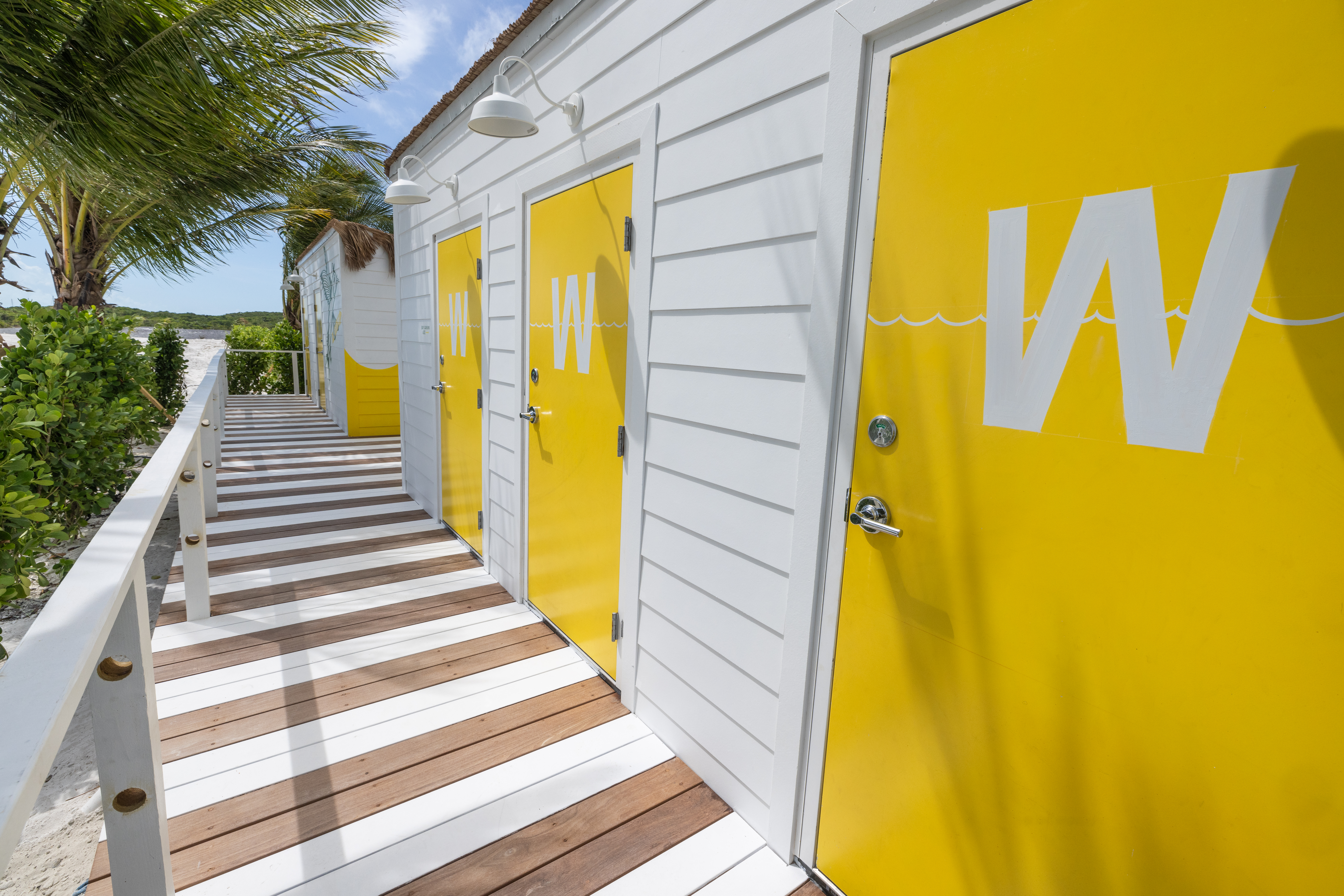
Can You Paint a Steel Building?
Can You Paint a Steel Building?
Yes, you can absolutely paint a steel building, and there are several benefits to doing so. Steel buildings, especially those in modular construction or made from shipping containers, are becoming increasingly popular due to their flexibility, durability, and cost-efficiency. Another welcome bonus is that they offer a lot of room for customization. One of the most impactful ways to personalize and enhance a steel building is through paint.
What Steel Buildings Can You Paint?

Regardless of their specific type or use, you can paint a steel building. The process, however, may vary slightly depending on the structure’s current condition, its intended use, and the preparation required before applying paint.
Examples of steel buildings you can paint include:
- Steel Frame Modular Buildings: These are pre-engineered structures, often used for commercial offices, educational facilities, and warehouses.
- Shipping Container Structures: These are increasingly popular for businesses looking for mobile or temporary spaces, such as pop-up shops, storage units, or mobile offices.
- Industrial Storage Buildings: These are typically large-scale facilities used for storing goods, equipment, or raw materials.
No matter the type of steel building, painting remains a viable option, allowing companies to blend functionality with style.
Benefits of Painting Your Steel Building
Painting a steel building is more than just a cosmetic upgrade; it offers long-term protection and contributes to the building’s overall performance. Beyond safeguarding the steel from environmental wear, a well-applied paint job enhances its visual impact, making it a smart investment for both functionality and branding.
Practical Benefits
Steel buildings, especially those exposed to the elements, are vulnerable to rust and corrosion. One of the main benefits of painting a steel building is the added layer of protection against these issues. Paint acts as a protective barrier that helps shield steel from moisture, preventing rust and extending the building’s lifespan.
Over time, exposure to rain, humidity, and environmental pollutants can lead to the gradual deterioration of steel structures. Regularly maintaining a painted surface ensures that these effects are minimized.
Additionally, painting improves the overall energy efficiency of steel buildings. Certain types of paint, such as reflective coatings, can help keep the building cooler by reflecting sunlight. This is particularly beneficial for buildings located in warmer climates, as it can reduce cooling costs and improve indoor comfort.
Visual Benefits
From a visual perspective, painting a steel building can drastically enhance its appearance. Whether it's a commercial office, retail store, or industrial warehouse, the exterior of a building plays a vital role in its curb appeal. A well-maintained, freshly painted steel structure conveys professionalism and can attract more clients or customers.
For businesses, the ability to match the building's color scheme with branding elements is a valuable opportunity to reinforce brand identity. Furthermore, painted steel buildings can help create a cohesive and unified look, especially if you’re expanding your business or constructing multiple units. Custom paint jobs are a fantastic way to integrate visual appeal with functionality.
What Kind of Paint Can You Use on Steel Buildings?

When it comes to painting steel buildings, not all paints are created equal. The best type of paint to use on steel is one that is specifically designed for metal surfaces. Several types of paint are commonly used for steel buildings, each with unique benefits:
Exterior Metal Paint
Exterior metal paint is formulated to bond with metal surfaces, offering long-lasting protection against weathering and corrosion. It is ideal for buildings exposed to the elements, as it resists fading and damage from UV rays.
Industrial Enamel Paint
Often used for heavy-duty applications, industrial enamel paint is known for its durability and resistance to abrasions, chemicals, and extreme temperatures. This type of paint is perfect for steel buildings used in industrial settings, as it offers robust protection and a high-quality finish.
Epoxy-Based Paint
Epoxy paints are highly durable and provide superior protection against rust and corrosion. They’re often used in environments that require additional chemical resistance or need to withstand harsh weather conditions.
When selecting paint for your steel building, consider factors like climate, building usage, and the level of exposure to environmental conditions. Properly choosing the right paint will ensure that your steel structure is adequately protected and looks great for years to come.
How Does Steel Need to Be Prepared for Paint?
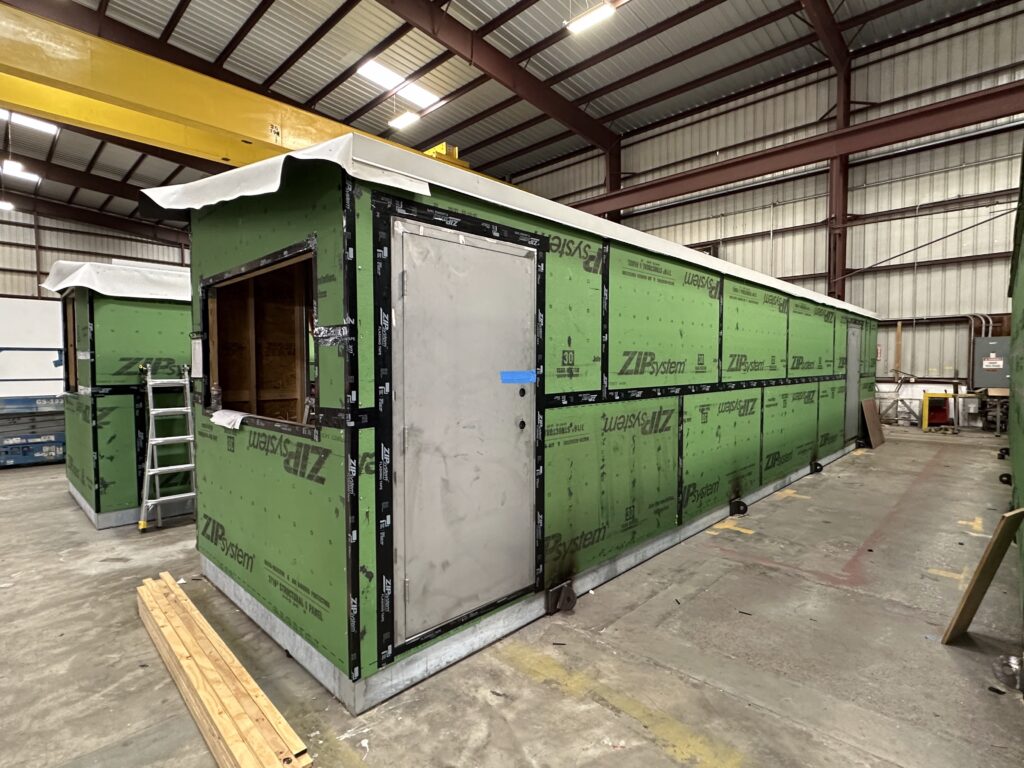
Painting a steel building isn’t as simple as applying a coat of paint directly onto the surface. Steel needs to be properly prepared to ensure that the paint adheres correctly and lasts. The process of painting steel is different from other materials like wood or drywall due to its smooth surface.
Cleaning
Before painting, it’s crucial to clean the steel surface thoroughly. Dust, dirt, and grease can prevent the paint from bonding effectively to the metal, leading to peeling and chipping. This can be done through a combination of pressure washing, scrubbing, and using degreasers to remove any contaminants.
Rust Removal
If the steel is already showing signs of rust, it must be removed before applying paint. Rust will prevent the paint from adhering properly, and painting over it will result in an uneven finish. This can be done with tools like wire brushes or sandblasting. If the building is heavily rusted, it might also require a rust-inhibiting primer to prevent future corrosion.
Priming
Steel is a smooth surface, and for paint to adhere properly, it needs to be primed first. Primers create a rough surface that allows the paint to bond more effectively. This step is crucial to ensure a long-lasting finish and to prevent the paint from chipping or peeling off over time.
Proper preparation is key to achieving a smooth, durable finish on your steel building.
Do You Want A Custom Paint Job on Your Steel Buildings?
For businesses looking to make a statement or differentiate their brand, a custom paint job can be the perfect solution. Steel buildings, especially those used in commercial or industrial settings, can be easily personalized with unique colors, finishes, or branding elements. Customization allows businesses to align their structures with their company’s identity or create a more visually appealing building for customers or clients.
At ROXBOX, we specialize in helping clients create custom steel buildings. Primarily steel frame modular buildings and shipping container buildings. The ability to build and paint a steel building to your specifications not only enhances its aesthetic appeal but also ensures that the structure represents your brand accurately.
Want to see what’s possible? Explore our project gallery to see the wide range of custom steel buildings we’ve worked on with our clients. Contact us today to learn more.


When Does a Shipping Container Need a Building Permit?
When Does a Shipping Container Need a Building Permit?
Shipping container structures are becoming a popular choice for businesses looking for modular, cost-effective expansion solutions or unique space designs. However, it is important to understand when a shipping container will need a building permit. The need for a permit is generally determined by local city, county, or state regulations.
While the regulations around shipping containers as buildings are still evolving, businesses must navigate these requirements to ensure compliance, particularly if they have widespread locations or intend to repurpose containers for permanent or semi-permanent use.
Does Your Shipping Container Need a Building Permit?

Unfortunately, the answer to whether you need a building permit for your shipping container is not straightforward. It requires research into the local laws and regulations of the area where your business intends to place a shipping container.
Although shipping containers have been repurposed into buildings for several decades, their widespread use has only gained popularity in recent years. This surge in demand has brought attention to the need for clearer building codes specific to shipping containers.
In most cases, shipping containers that are repurposed into buildings fall under general building codes until specific guidelines for containers are developed. As the practice continues to grow, cities and municipalities will need to update their codes to address the unique aspects of shipping container structures. While some locations may not have specific laws yet, many local governments are starting to enact regulations to ensure that these structures meet safety and zoning standards.
There are certainly cases where a building permit may not be required, but that depends on factors like how the container is used and whether the local government requires a permit for that type of structure. The safest bet is to assume that if it has been repurposed for occupancy or business purposes, the shipping container will need a building permit.
What Are Your Plans For Shipping Container Structures?

Before delving into the specifics of permits, you must clarify your plans for the shipping container structure. Understanding the intended use of the structure will guide your legal research and streamline the permitting process. For example, are you planning to use the container as a permanent or temporary structure? What is the size of the container? These factors will all affect whether a building permit is required.
Permanent Structures
If your business plans to convert a shipping container into a permanent structure, such as an office, retail space, or residence, it is highly likely that building permits will be required. Permanent structures must meet safety, fire, plumbing, and electrical codes. They are also subject to inspections and government oversight to ensure that they meet the necessary standards for construction and occupancy.
When shipping containers are used for permanent purposes, they are considered buildings and are subject to the same regulations as traditional structures. This includes zoning laws, foundation requirements, and the overall safety of the structure. Whether you're creating a unique office space or a modular storefront, it's important to plan for the permit process well in advance.
Temporary Structures
In contrast, some areas may classify shipping containers used for temporary purposes, such as storage sheds or site offices, as exempt from building permits. Temporary uses typically don't require as much oversight or compliance with building codes. However, even in cases where the container is intended for temporary use, a permit might still be necessary, especially if the container is placed on a large site or in a location with specific zoning restrictions.
It’s important to note that temporary use permits may still be required to account for the large and heavy nature of shipping containers. Even if a container is considered "temporary," local laws may mandate a permit to ensure that it does not pose risks to the surrounding environment, such as blocking access routes or causing drainage issues.
Does the Size of Your Shipping Container Mean You Need a Building Permit?
The size of the shipping container can also affect whether a building permit is required. If the container is larger than 120 square feet, it may be subject to additional regulations that treat it as a building or structure. This is similar to the way a structure like a house is regulated differently from something like a shed, based on size and intended use.
Many, but not all, local regulations commonly use this 120-square-foot threshold to determine if a structure requires a permit. Even if the container is being used temporarily or for storage, containers that exceed 120 square feet could trigger the need for compliance with certain building codes. Additionally, larger containers may require structural assessments to ensure they are stable and safe for the intended use.
Is a Storage Container Considered a Building?

An empty storage container is not considered a building if it is used only for storing goods. However, once a storage container is repurposed for commercial use, such as transforming it into a food or clothing store, it would be difficult to argue against it being a building. Because the container is now being used for human occupancy or business activities, it necessitates compliance with relevant safety and building standards.
Legally, a building is defined as a structure that is permanently affixed to a site, intended for occupancy, use, or storage, and is constructed to meet various safety and design standards. These structures are designed to handle loads such as weight, wind, and seismic forces, and they must include essential components like a foundation, walls, a roof, and floors.
Shipping containers, when repurposed into permanent structures, fall under these definitions and are subject to building codes aimed at ensuring the safety and functionality of the structure.
Do You Need Help Getting a Building Permit for Shipping Containers?
At ROXBOX, we understand that navigating the legal and regulatory landscape for shipping container structures can be complex and time-consuming. We are committed to making the process as smooth as possible for our clients. Our experienced team handles code compliance, permitting, and inspections, along with other comprehensive construction management services, to ensure that your project meets all local building regulations.
We believe the benefits of using shipping container structures far outweigh any perceived drawbacks. These modular, cost-effective, and flexible solutions offer a variety of advantages for businesses looking to expand, whether you're opening a new office, retail space, or even building a multi-container complex. Let us guide you through the process and help you bring your business vision to life.
Explore our shipping container project gallery to see how we’ve helped businesses like yours achieve their goals with innovative container designs. Let ROXBOX help you navigate the complexities of building permits and create the perfect space for your business.