

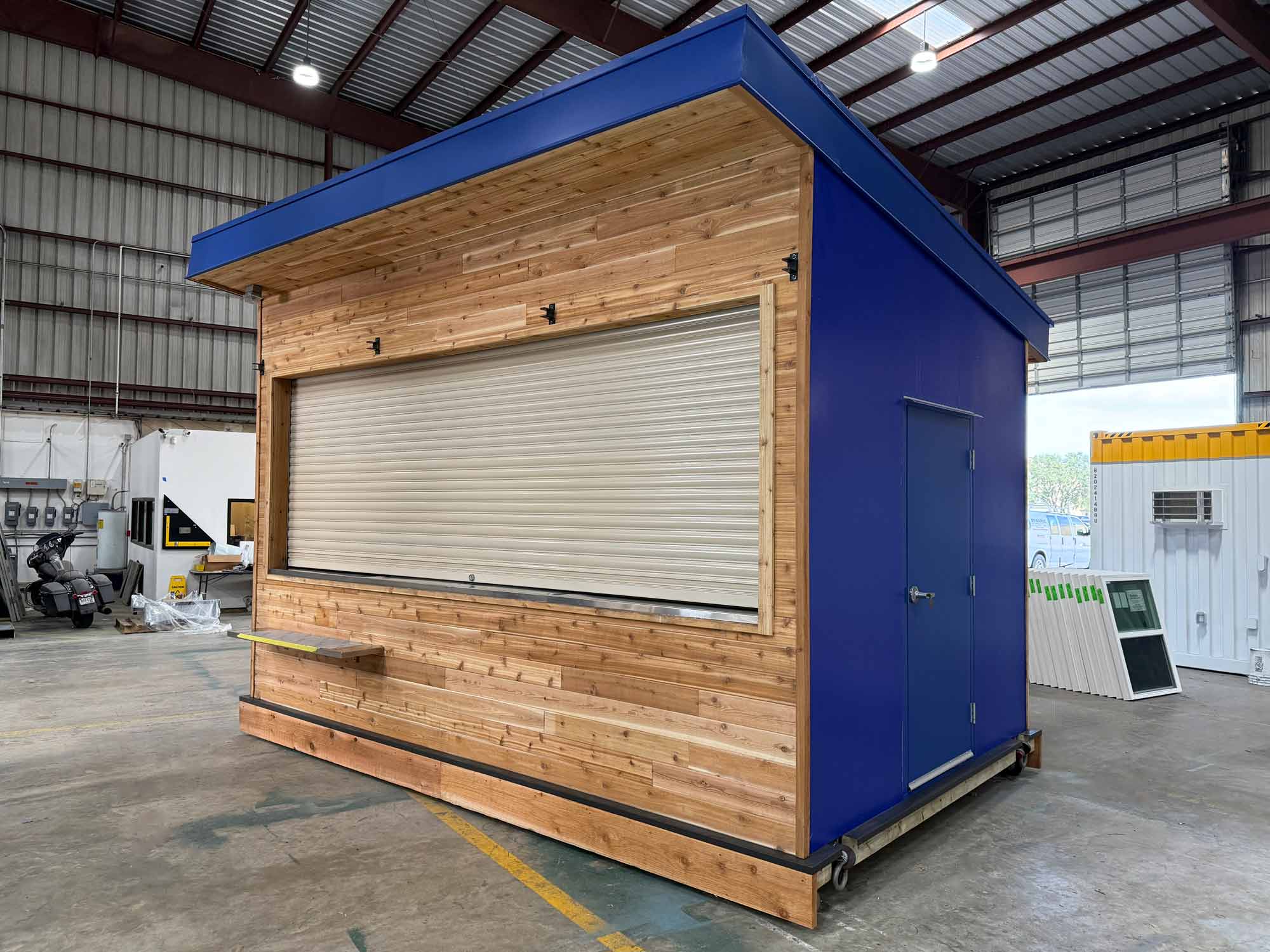
Steel vs. Wood Framing: An In-Depth Look
When planning a commercial construction project, choosing between steel vs wood framing is one of the most important decisions you'll face. While material costs often fluctuate, it's the features of each framing method that typically drive the best choice. From durability and climate resistance to ease of installation, understanding the pros and cons of steel versus wood framing can make or break a project.
Steel vs. Wood Frame Building
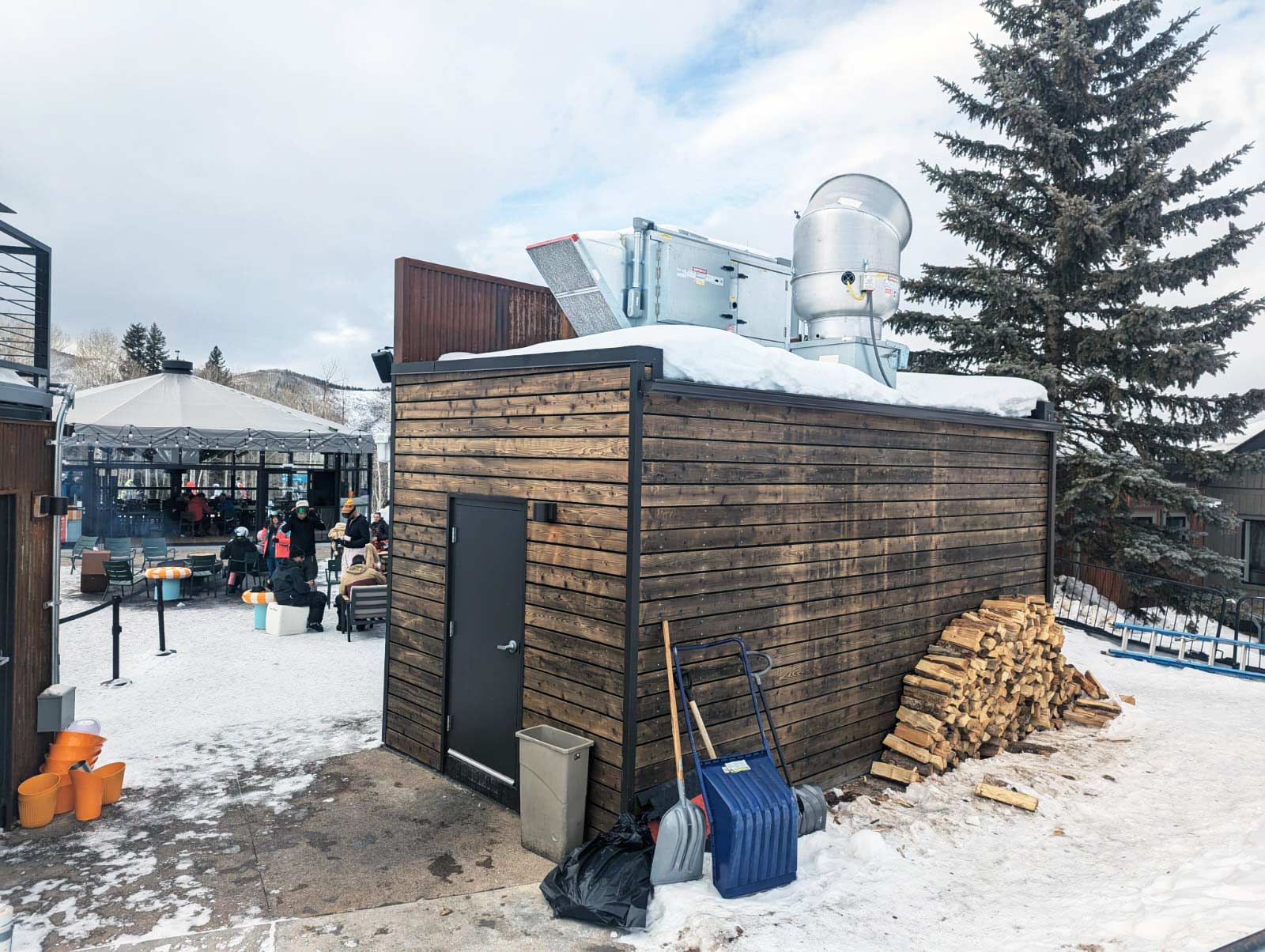
Framing is the backbone of any structure. It forms the skeleton that supports the walls, roof, floors, and everything in between. Because their materials behave so differently, steel and wood framing each require a unique framing process
What Is Steel Framing?
Steel framing refers to the use of cold-formed steel studs and tracks to construct a building's structural framework. It’s a popular choice in commercial and industrial projects due to its strength, uniformity, and resistance to pests and rot.
The process often starts in a manufacturing facility, where components are precision-cut and pre-punched, then delivered to the job site for fast assembly. Steel framing can also be integrated into modular building systems, where building pieces, or modules, are constructed off-site and then assembled on-site.
What Is Wood Framing?
Wood framing, often called "stick framing," uses dimensional lumber such as 2x4s or 2x6s to construct the framework of a building. Carpenters assemble these on-site or use pre-built sections.
Wood is commonly used, widely available, and generally easy to work with using standard tools. Despite its popularity in residential construction, wood is also used in light commercial buildings, though it comes with more variability and limitations in large-scale projects.
Comparing Steel Building vs. Wood Construction

Choosing between steel and wood framing for a commercial project isn’t just about comparing materials—it’s about aligning the decision with your project’s specific needs and long-term goals. Each framing option brings unique strengths and limitations that can directly impact a building’s performance, cost efficiency, and overall functionality.
Whether you're optimizing for speed, structural resilience, environmental resistance, or design flexibility, understanding how these materials perform under real-world conditions is essential to making the right choice.
Cost
Steel: Steel framing can come with higher upfront material costs, but it often reduces labor costs due to prefabrication and faster on-site assembly. Over time, it can prove to be more cost-effective thanks to its long service life, minimal maintenance requirements, and resistance to damage. These factors, along with potentially lower insurance premiums, make it a smart investment for long-term commercial infrastructure.
Wood: Wood is generally cheaper up front, both in materials and labor, which can be appealing for projects with tighter initial budgets. However, its long-term value is often diminished by frequent repairs, vulnerability to the elements, and higher insurance premiums due to fire and pest risks.
Durability and Longevity
Steel: Steel is non-combustible and resistant to termites, mold, and warping. It doesn't rot and holds up well in high-moisture environments, making it an ideal choice for long-term durability.
Wood: Wood is vulnerable to fire, insects, mold, and moisture. It can warp, swell, or shrink over time, particularly in fluctuating climates. While treated lumber helps mitigate some issues, it's still not as resilient as steel.
Speed and Ease
Steel: Steel framing is often prefabricated, which shortens construction timelines and minimizes on-site errors. With pre-engineered components and standardized connections, steel construction reduces delays caused by weather or material inconsistencies. Although it requires skilled labor, the structured workflow allows teams to build quickly and with precision, an advantage in large-scale commercial builds.
Wood: Wood is more forgiving and easier to cut or modify on-site, making it flexible for last-minute changes. It doesn’t require specialized tools or training, which helps smaller crews work efficiently. However, in large-scale commercial projects, this on-site adaptability can slow progress due to increased labor time, inconsistent measurements, and weather-sensitive materials.
Design Flexibility and Limitations
Steel: Steel’s strength-to-weight ratio allows for greater spans, taller walls, and fewer support columns without compromising structural integrity. This makes it easier to accommodate open floor plans, multi-use spaces, and complex architectural designs. It's also particularly well-suited for modular and scalable construction, where precision and repeatability are crucial for efficiency and consistency.
Wood: Wood works well for straightforward layouts and traditional designs, but it often requires more interior support structures for larger or more ambitious builds. This can complicate open floor plans and reduce flexibility in future renovations or expansions. Wood can limit architectural freedom due to its load-bearing constraints and susceptibility to movement over time.
Weather and Climate Performance
Steel: Steel performs well across climates. It resists humidity, heat, and snow, making it ideal for buildings in extreme or fluctuating weather conditions. However, it requires proper insulation to prevent thermal bridging, which can lead to energy loss and increased heating or cooling costs.
Wood: Wood is more affected by humidity and temperature swings. It can expand, contract, or rot in wet environments unless properly treated and maintained. It performs well in drier climates.
Maintenance and Repairs
Steel: Steel requires minimal maintenance. It doesn’t need to be treated for pests or mold, and it doesn’t degrade under normal conditions. Repairs are less frequent but can require specialized welding or replacement parts.
Wood: Wood buildings need routine inspections for rot, termites, and structural integrity. Repairs are generally easier and less expensive, but occur more often.
Safety and Building Codes
Steel: Steel framing excels in meeting fire safety codes and is highly rated for seismic performance. It's a preferred material in regions with strict commercial building regulations.
Wood: While wood can meet code with the right treatments and techniques, it generally doesn’t perform as well in fire or seismic events. Local codes may limit wood use in certain commercial settings.
Steel vs. Wood Framing: Which Option Is Right for You?
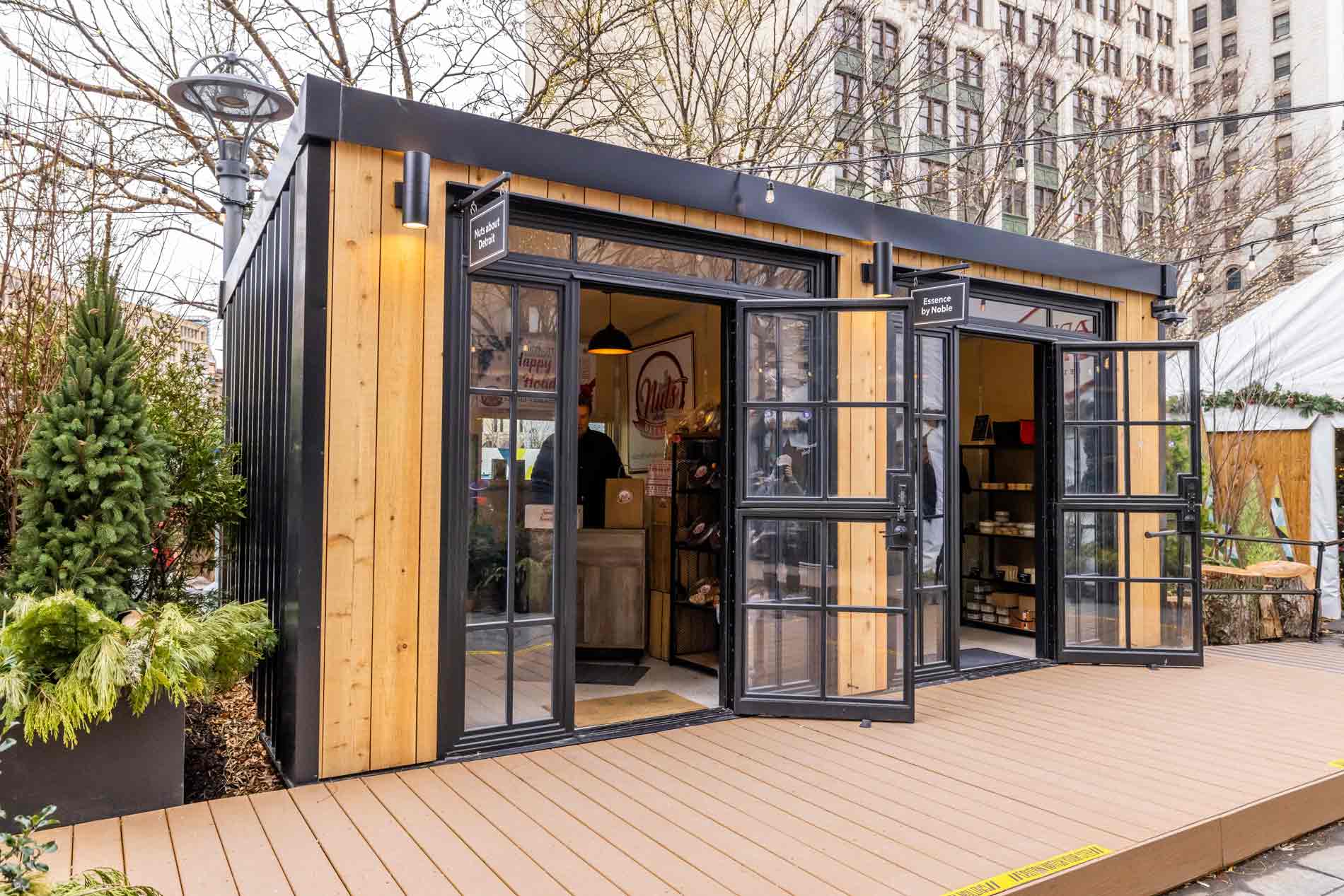
Ultimately, the right framing material depends on your project's size, budget, location, and design goals. That said, steel framing outperforms wood framing in most commercial applications. It offers better durability, greater design freedom, and enhanced performance in challenging environments.
Steel can also be more affordable when modular construction is factored in. Modular steel building allows much of the construction to take place off-site, cutting labor and time costs while maintaining the strength and flexibility of steel framing.
At ROXBOX Structures, we specialize in steel modular construction for commercial and industrial clients. Our pre-engineered units are manufactured with precision, then delivered and installed with unmatched efficiency.
Whether it’s a shipping container restaurant, mobile office, or large-scale commercial hub, our modular steel structures are designed to perform. Explore our modular building project gallery to see how ROXBOX can help you build smarter, faster, and stronger.

7 Types of Prefab Outdoor Bathrooms To Consider
Outdoor bathrooms are essential for businesses or organizations that require accessible, clean, and functional restroom solutions. Whether you're managing a campground, hosting an event, or overseeing a construction site, prefabricated outdoor bathrooms are an excellent option. They offer quick installation, cost-effectiveness, mobility, and scalability. These benefits make them perfect for a wide range of commercial and industrial uses.
The Best Prefab Outdoor Bathrooms for Businesses
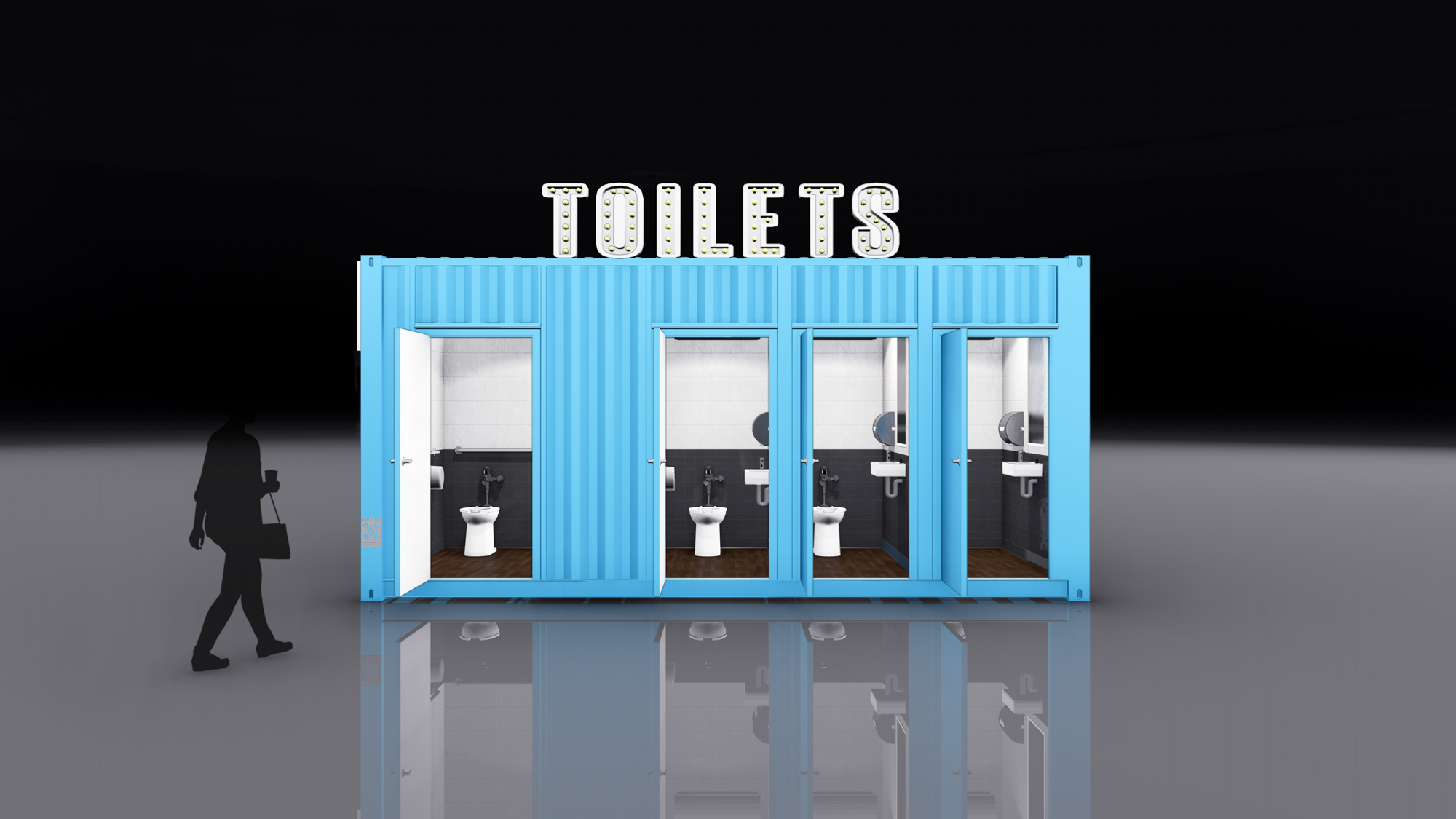
Discover seven different types of prefab outdoor bathrooms that can meet the unique needs of various industries and locations. From rugged shipping container models to solar-powered modular setups, these options provide versatility and durability in any environment.
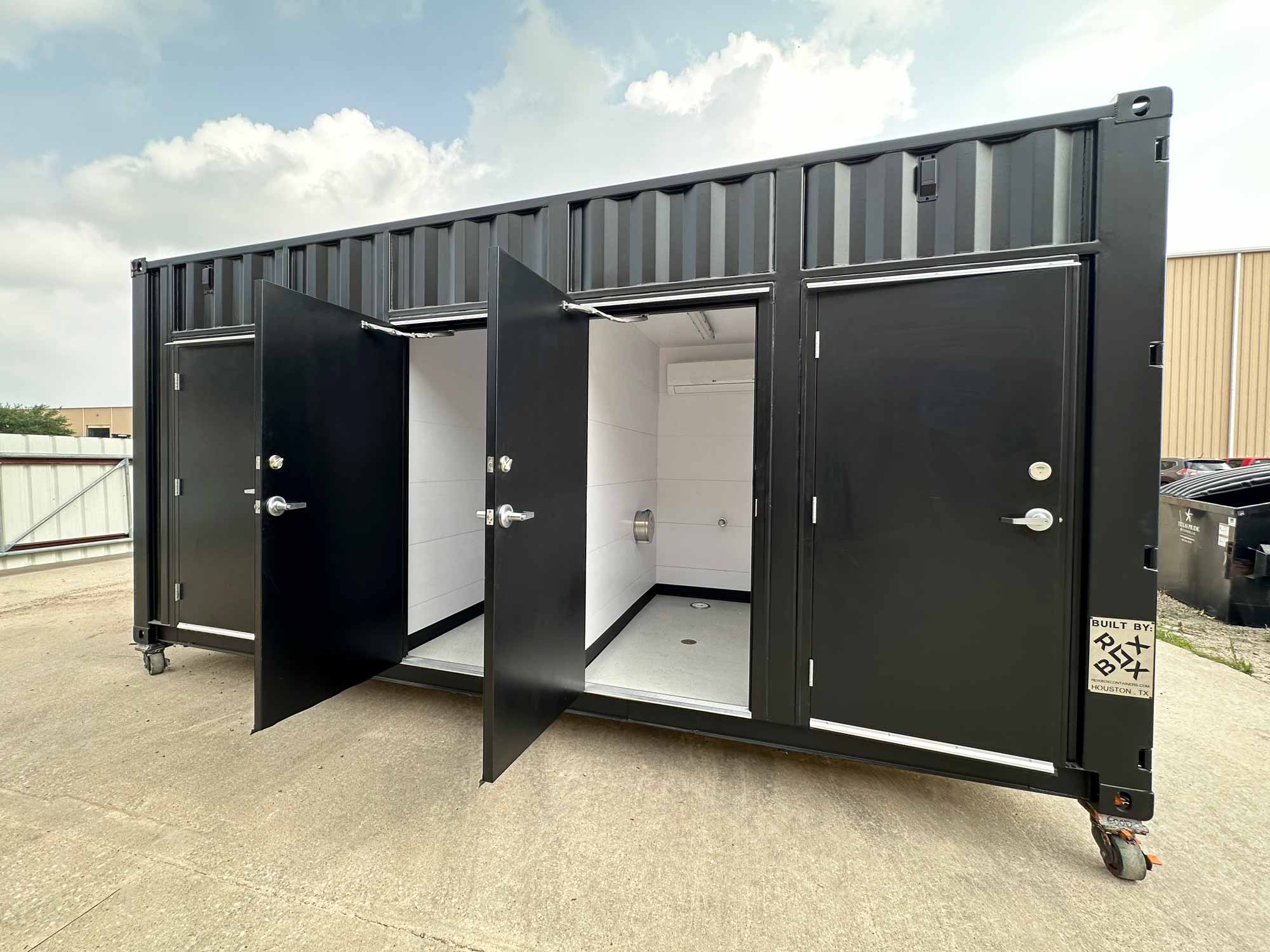
1. Shipping Container Bathrooms for Rugged, Remote Use
Shipping containers are an excellent option for rugged, remote bathroom solutions. These repurposed units are known for their durability and ability to withstand extreme environments, making them perfect for places where traditional construction would be too costly or impractical. Shipping container prefab bathrooms are pre-fitted with plumbing, electrical systems, and other necessary utilities off-site, meaning they can be easily transported to remote areas.
These outdoor bathrooms are ideal for use in mining camps, outdoor festivals, disaster relief zones, and other industrial or temporary locations. Their ability to secure the bathroom area from external threats, coupled with their weather-resistant structure, makes them a top choice for high-demand settings where maintenance and security are concerns.
2. Steel Modular Bathrooms for High-Traffic Durability
Steel modular bathrooms are perfect for high-traffic locations that require long-term, reliable installations. These prefab outdoor bathrooms are designed to resist vandalism, corrosion, and extreme weather conditions, making them ideal for public parks, urban areas, transit hubs, or anywhere a durable, high-performance restroom is necessary.
Steel modular units are factory-built in sections, then assembled on-site in a matter of hours. This fast construction process allows for minimal disruption to your location and provides a high-quality, low-maintenance facility for years to come. Whether you need a single unit or an entire row of restrooms, steel modular bathrooms offer a lasting solution with a sleek, professional appearance.
3. Trailer-Mounted Restroom Units for Portable Convenience
For operations that require portability, trailer-mounted restroom units provide the ultimate convenience. These modular outdoor bathrooms are mounted on trailers and can be towed to various locations, making them perfect for temporary events, mobile medical setups, or rotating construction sites.
These units typically come with water and electrical hookups or self-contained systems, which allow them to function independently of nearby infrastructure. With features such as climate control, flushing toilets, and ADA-compliant layouts, trailer-mounted units offer convenience without compromising comfort or accessibility. They are a great option for those needing flexibility and mobility in their bathroom solutions.
4. Cabin-Style Modular Bathrooms for Rustic Settings
If you’re looking for a restroom solution that blends seamlessly into a natural environment, cabin-style modular bathrooms might be the perfect choice. These prefabricated outdoor bathrooms are designed to mimic the appearance of a small cabin, with wood exteriors or composite siding that matches rustic or wilderness locations.
Ideal for eco-resorts, glamping sites, and national parks, cabin-style modular bathrooms offer a more aesthetic option for locations that prioritize both function and design. These bathrooms can be customized with features such as metal roofs, solar upgrades, or even composting toilets for added sustainability. Their charm and blend with the environment make them a popular choice for nature-focused sites.
5. Panelized Bathroom Kits for Easy On-Site Assembly
Panelized bathroom kits are a cost-effective and flexible option for those looking for easy on-site assembly. These prefab outdoor bathrooms come flat-packed and require minimal assembly once delivered to the site. This option significantly reduces shipping costs and is perfect for locations with tight access or challenging terrain.
Panelized bathroom kits are often used for semi-permanent setups such as in schools, recreation centers, or seasonal campgrounds. They are designed to be assembled quickly, with minimal labor required. These outdoor bathrooms are available in various sizes and configurations, offering flexibility for projects with specific needs. If you’re looking for an affordable and practical solution that can be adapted to your space, panelized kits are worth considering.
6. Compact Single-Stall Units for Small-Site Needs
For remote or low-traffic locations, compact single-stall prefab bathrooms offer a space-efficient solution that doesn’t take up valuable room. These standalone units are factory-built and delivered fully assembled, often with solar panels or composting options for an eco-friendly, off-grid solution.
These compact units are commonly used at trailheads, boat ramps, or remote cabins where a larger restroom facility isn't necessary. With a small footprint and straightforward installation, these prefab outdoor bathrooms are ideal for low-impact sites. They offer convenience and reliability without overwhelming the surrounding area, making them the perfect fit for locations with space constraints.
7. Solar-Ready Prefab Bathrooms for Sustainable Installations
As sustainability becomes increasingly important, solar-ready prefab bathrooms offer a great way to reduce your reliance on external utilities while supporting green energy goals. These units are designed to integrate solar panels either as a primary power source or as a supplemental system to reduce operating costs and improve energy efficiency.
Solar-powered prefab bathrooms are ideal for eco-tourism sites, nature preserves, or other locations without ready access to traditional infrastructure. While solar systems may come with higher initial costs and are dependent on sunlight availability, the long-term benefits, such as reduced utility costs and minimal environmental impact, make them an attractive option for those committed to sustainability.
Picking The Right Prefabricated Outdoor Bathroom for Your Needs

Ultimately, selecting a prefab or modular outdoor bathroom depends on balancing factors such as cost, durability, sustainability, and ease of installation. Your choice should meet both your practical needs and your style preferences. Also consider the expected traffic at your location, the weather conditions, and how long you'll need the bathroom.At ROXBOX Structures, our award-winning modular solutions are crafted for versatility and durability. Using innovative design and engineering, we deliver high-quality, customizable structures that meet the unique demands of your location. Discover the different types of BathroomBox models we offer, and let us help you find the best prefabricated outdoor bathroom solution for your needs.

How Much Does a Kiosk Building Cost?
When planning a kiosk build for a large-scale development project, whether it's for quick-serve restaurants, retail kiosks, or public information booths, it's important to understand what affects the cost of a kiosk building. For developers and enterprise buyers, kiosk prices can vary depending on a few key factors.
Construction methods, materials, site logistics, and the scalability of the design all influence how much a kiosk costs to build. This guide looks at the main factors that impact kiosk construction expenses and offers practical insights to help companies make wise investment decisions based on scale, durability, and value.
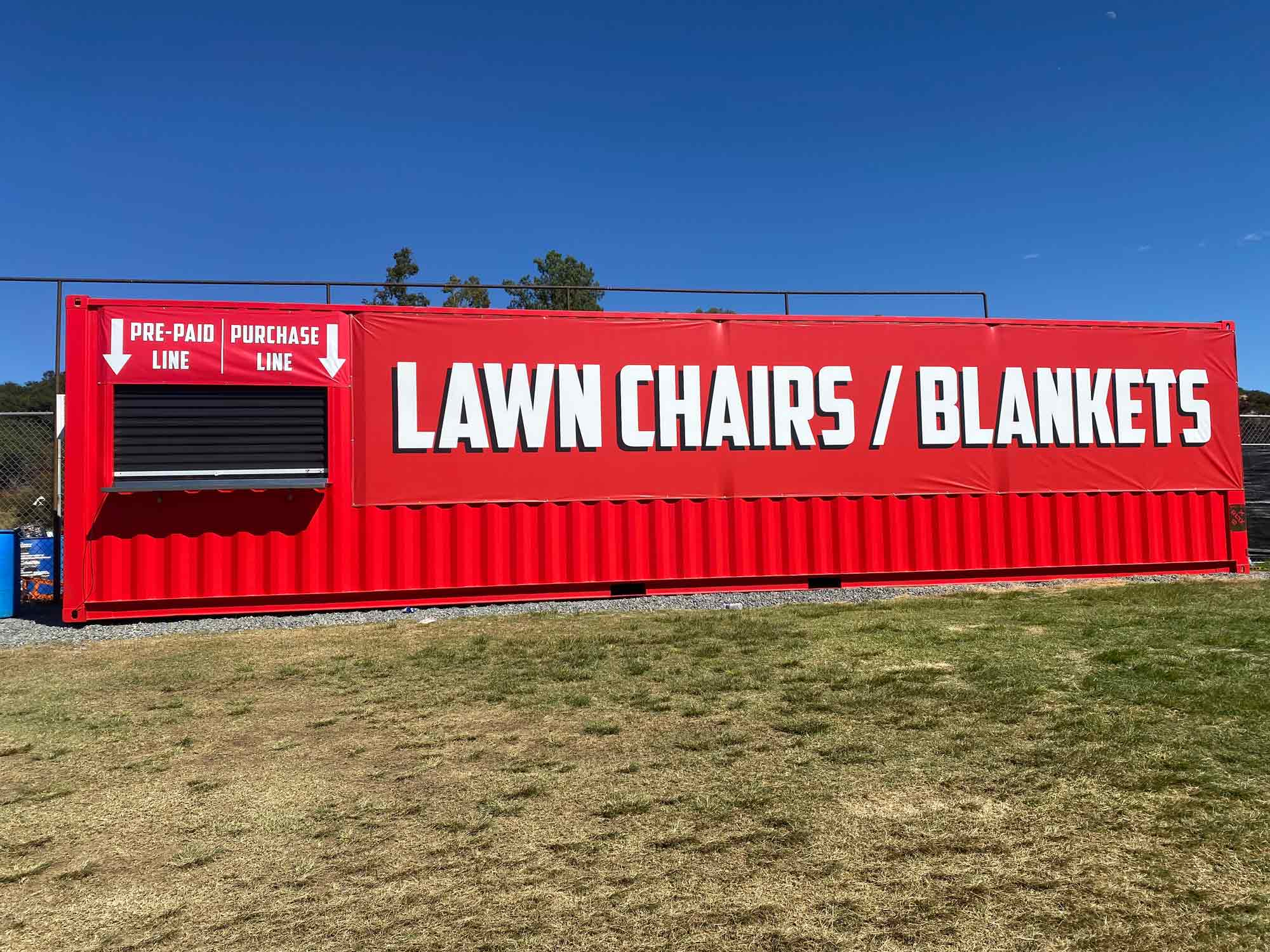
What Factors Influence the Cost of Building a Kiosk?
For enterprise buyers and commercial developers, kiosk pricing is shaped by more than just size or style. The choice of materials, design customization, local regulations, and installation logistics all affect the final cost. These factors become even more important when executing a large-scale rollout.
Construction Materials
Materials are often the most significant cost factor in large-scale kiosk construction. Steel is the most common choice for enterprise builds because it’s durable, weather-resistant, and capable of supporting utilities. While steel-framed kiosks tend to cost more upfront compared to materials like wood or aluminum, steel offers better structural strength and longer-lasting performance, which is essential for companies managing kiosks across multiple locations.
Fiberglass and composite materials are often used for lighter or mobile kiosks, but they aren’t as durable and may cost more to maintain over time. Wood is usually avoided in large-scale commercial builds because it can get damaged by the environment.
Size and Design
In commercial settings, kiosk design is rarely “one-size-fits-all.” A simple 10' x 10' unit may work for a mobile ticketing kiosk, while a quick-serve restaurant may need a 30' structure with integrated kitchen equipment, customer windows, and utility access points.
For enterprise-scale projects, the kiosk design must be flexible to work across different locations while still meeting branding and compliance standards. Custom features such as ADA access, ventilation, electrical routing, and integrated POS systems can increase build complexity and cost, but are often essential for high-volume operations.
Location and Permitting
Site location has a significant impact on both cost and feasibility. High-traffic urban areas usually come with higher labor rates, complex zoning rules, and longer permitting timelines. On the other hand, suburban and remote locations may have easier permitting but create challenges for delivery, foundation work, and utility hookups.
Enterprises building kiosks across different municipalities or states should consider permitting differences, local code requirements, and timeline variations. Working with a kiosk builder familiar with local regulations helps speed up approvals and prevent costly delays.
What Types of Kiosk Construction Are Available?

Knowing the different construction types helps enterprise decision-makers match design choices with performance goals and timelines. Each method offers its own advantages depending on the use case, brand, and scale.
Steel Modular Construction
Steel modular kiosks are a popular choice for permanent installations such as outdoor retail hubs, ticketing centers, and quick-serve restaurant extensions. These kiosks are built off-site and delivered ready for assembly or placement, offering a high level of customization and structural strength.
Steel modular structures are secure, professional-looking, and weather-resistant, making them ideal for both customer-facing and back-of-house functions. For companies planning to install kiosks at multiple locations, steel modular construction offers a standardized solution that is easy to replicate and adapt.
Shipping Container Construction
Converted shipping containers provide a modern, sustainable option for kiosk construction. Their steel design is naturally durable, and they can be fitted with windows, doors, HVAC, and interior finishes to function as compact retail stores, food prep kitchens, or mobile showrooms.
Shipping container kiosks are particularly popular in urban redevelopment areas and are becoming more common in quick-serve restaurant projects due to their industrial look and quick setup time.
How Can Businesses Budget for Kiosk Construction?
For companies building at scale, budgeting needs to include more than just unit costs. A well-planned kiosk project considers both upfront capital expenses and ongoing operational costs
Initial Cost Estimates
Early budgeting should include costs for materials, fabrication, labor, site preparation, freight, installation, and permitting. Design and engineering fees may also be necessary, especially for projects that require custom layouts or need to meet various local codes. Enterprises should also set aside a contingency buffer to cover unexpected delays, cost increases, or site complications, particularly for multi-location rollouts.
Long-Term Cost Considerations
Organizations also need to plan for maintenance, utility connections, inspections, and future repairs. Steel modular kiosks generally have lower maintenance needs over time, while fiberglass units may require more frequent upkeep. Using the same materials and mechanical systems across all kiosks can simplify service contracts, parts replacement, and technician training, helping reduce the total costs.
What Is the Lifespan of a Kiosk?
The lifespan of a kiosk for large-scale projects depends on how it’s built and how well it's maintained. Steel modular kiosks are known for their long-term durability and can typically last between 15 and 25 years, especially when built with high-quality materials and properly cared for.
Shipping container kiosks are also durable, lasting 10 to 20 years thanks to their sturdy structure and weather resistance. Fiberglass or composite kiosks, however, are best suited for temporary or mobile setups and typically last around 5 to 10 years, making them less ideal for long-term, large-scale builds.
Durability and Maintenance
Regular maintenance is essential to keeping kiosks in good working order. Checking for weather damage, repainting surfaces, resealing joints, and keeping up with minor repairs can significantly extend the life of any kiosk. Using quality materials like steel will also reduce the need for frequent repairs and replacements. Applying UV-protective coatings, reinforcing structural elements, and preventing rust and water damage can keep kiosks running smoothly.
How Much Does a Kiosk Building Cost Enterprises?
At scale, how much a kiosk costs becomes a strategic question, not just a price point. Whether expanding a quick-service restaurant brand, launching a retail kiosk network, or adding information booths across a large venue, partnering with an experienced modular construction company like ROXBOX Structures ensures you get durable, eye-catching kiosks tailored to your unique needs.
With a smooth buying process, consistent project updates, and reliable delivery, ROXBOX handles everything from design and engineering to permitting and installation. Explore our ROXBOX models, and let us provide a custom quote that meets your goals and budget.

What Is Steel Frame Modular Construction?
Steel frame modular construction offers an ideal building solution for large-scale developers and organizations that face growing demands for speed, cost-efficiency, and scalability across multiple developments. This innovative construction method provides scalable building solutions and significantly reduces construction timelines, making it a top choice for large enterprises looking to scale quickly and efficiently.
What Is Steel Frame Modular Building Construction?
Steel frame modular construction is a building method in which individual units, or “modules,” are fabricated off-site in a controlled environment and then assembled on-site to form a complete structure. Modular construction relies on a streamlined, assembly-line approach. Each module is engineered to exact specs, constructed with steel, and transported to the final site for installation.
Although modular building techniques have been around for decades, steel frame modular construction has gained significant traction in sectors demanding speed, scalability, and long-term value. Today, forward-thinking companies and organizations across the country are embracing steel modular systems as a smarter way to build.
Is Modular Steel Frame Construction the Same as Prefab Steel Construction?
Modular steel construction and prefab steel construction are not the same. While the terms are often used interchangeably and are closely related, there are key differences between the two.
Prefab (prefabricated) construction is a broad category that refers to any building component made off-site. This could include wall panels, roof trusses, or structural columns used to erect buildings that are sometimes pre-engineered.
Modular construction is a specific type of prefab where entire volumetric modules are built off-site and then joined together on location. Simply put, all modular constructions are prefab, but not all prefab construction is modular.
Is Modular Construction Cheaper Than Stick-Built?
Modular construction is often more cost-effective than traditional stick-built methods, but the savings depend on several factors.
Modules are built in a controlled factory environment, which results in lower labor costs and shorter construction timelines. This leads to customer savings from reduced overhead, construction financing costs, and quicker occupancy, key drivers of overall savings and ROI.
In regions with high labor costs or frequent weather delays, the cost advantages are more pronounced. In areas where labor and land are already affordable, the difference may be smaller.
What Is the Modular Construction Process?
Modular construction is designed so that much of the building process takes place off-site in a controlled environment. By the time modules arrive on-site, much of the site work is complete, enabling large-scale projects to move forward much faster than with traditional building methods. Here’s how the steel frame modular construction process works from concept to completion.
Concept Design to Engineering
A modular building design is developed based on the project’s overall goals, use case, and site requirements. Many factors contribute to creating a well thought out plan for modular construction. Not all building types are optimal for modular construction so this phase is critical to developing a cohesive plan for delivering success. During this phase, clients needs are blended with accomplishing the strategy of modular building. Every architectural and engineered detail has to meet local building codes and industry standards as well as the strategy for off-site factory construction.
Off-Site Fabrication
Modules are built in a controlled factory environment using lean manufacturing strategies to gain the most efficiency out of this build type. Steel frames and precision construction techniques allow for a very high level of quality and consistency when the modules arrive to the site location for install. Interiors are factory-installed, including elements such as insulation, wiring, plumbing, and finishes, as specified by the project, leaving very little work to be completed on-site.
On-Site Assembly
Once the modules are transported to the project site, they are placed on prepared foundations and connected to form a complete structure. Installation crews spend minimal time closing up the structures and connecting the modules to each other as well as on-site utilities. This phase is where modular construction shines over conventional builds, enabling buildings to be erected in days rather than weeks.
Quality Control Checkpoints
Throughout the factory fabrication and construction process, modules go through multiple quality assurance checks to ensure structural integrity, safety, consistency with design standards, and code compliance Modular buildings are typically inspected by a 3rd party firm or a State Modular Program to ensure each structure meets the building codes of the site where they are to be delivered.
What Are the Types of Steel Frame Modular Construction?
Steel frame modular construction typically falls into two main categories: permanent modular construction (PMC) and relocatable modular buildings. Each serves different needs based on how long the structure will remain in place and how it will be used.
ROXBOX offers a wide range of pre-designed models to meet the complex needs of large-scale developments, including modular bathrooms, bars, retail units, and even drive-thrus.
Permanent Modular Construction (PMC)
Permanent modular construction is designed for long-term or permanent use. These structures are built to the same codes and standards as traditional site-built buildings and are intended to stay in place indefinitely. PMC offers the benefits of modular efficiency combined with the durability and performance of conventional construction.
PMC buildings are ideal for:
- Office buildings
- Multi-family housing
- Schools and universities
- Healthcare facilities
- Quick Service Restaurants and commercial kitchens
Relocatable Modular Buildings
Relocatable buildings are intended for temporary or semi-permanent use. These structures are built off-site and designed to be moved, reused, or reconfigured as needed. Relocatable Modulars are especially useful for large organizations needing flexibility, speed, or temporary space.
Relocatable Modulars are ideal for:
- Pop-up retail or food and beverage spaces
- Medical clinics or emergency facilities
- Event spaces
- Job site offices
- Training centers or mobile classrooms
What Are the Advantages of Modular Steel Buildings?
There are several compelling reasons why companies are turning to modular building. Here are just a few of those reasons:
Faster Construction Timeline
Since modules are built off-site while site work is happening simultaneously, construction time is cut significantly. This allows large-scale projects to become operational faster, which is a major advantage for enterprises managing multiple developments.
Cost Savings
Lower labor, fewer delays, and reduced waste lead to more predictable budgets and lower total project costs. Faster builds lead to quicker occupancy, reducing overhead costs and enabling earlier revenue generation.
Durability and Strength
Steel offers superior structural integrity compared to wood. It resists rot, pests, and fire, making it ideal for long-term performance and lower maintenance costs.
Sustainability
Modular building is inherently more sustainable. Off-site fabrication reduces waste and emissions, and steel is recyclable, contributing to greener, more efficient construction overall.
Design Flexibility
From sleek modern aesthetics to industrial chic, steel modular structures can be designed to match any brand and function. Expandable and adaptable, steel modules are perfect for evolving needs.
Incorporate Steel Frame Modular Construction Into Future Large-Scale Projects
Developers need building methods that prioritize speed, scalability, and cost-efficiency. Steel frame modular construction provides a fast, reliable solution that helps meet tight deadlines and accommodate growth.
At ROXBOX, we don’t just build structures; we create scalable, future-ready platforms that support the expansive growth of large enterprises and developers. Through innovative design, detailed engineering, and a focus on quality construction, ROXBOX delivers premium modular solutions that meet the unique demands of our clients.
Explore our project gallery to see how steel modular construction can elevate any large-scale development.